 Thailand
Thailand: Land of Smiles, Where Traditions Meet Exoticism
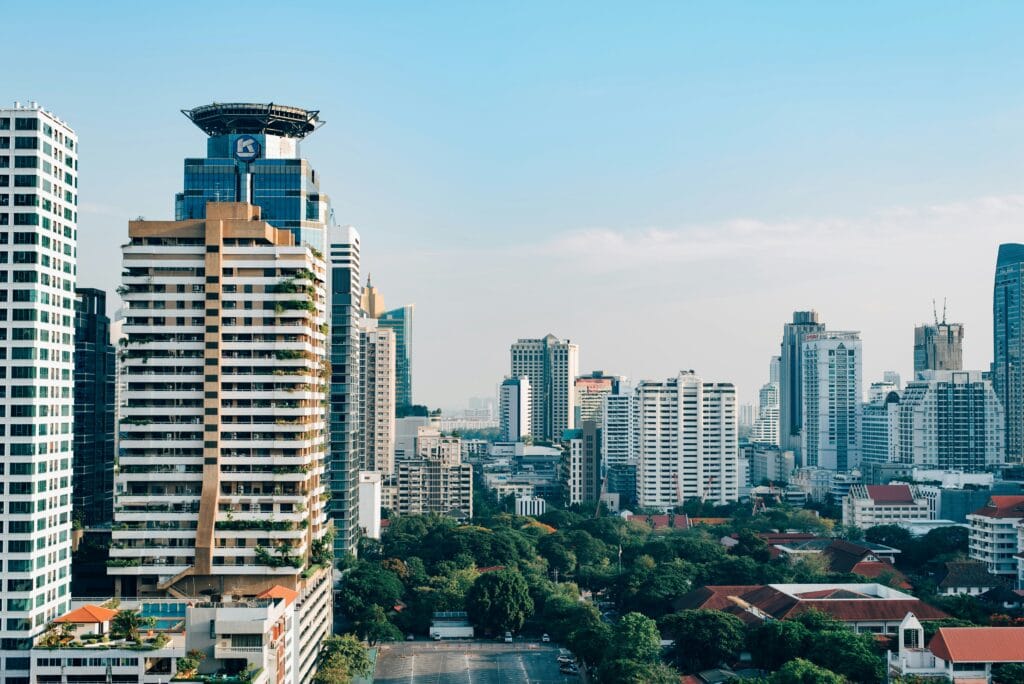
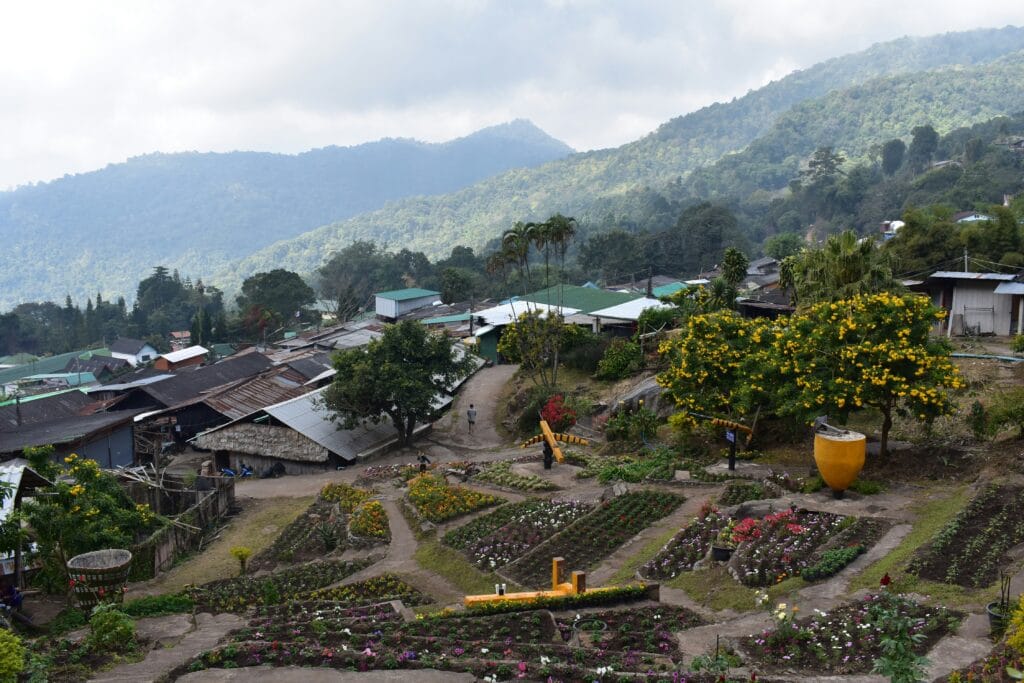
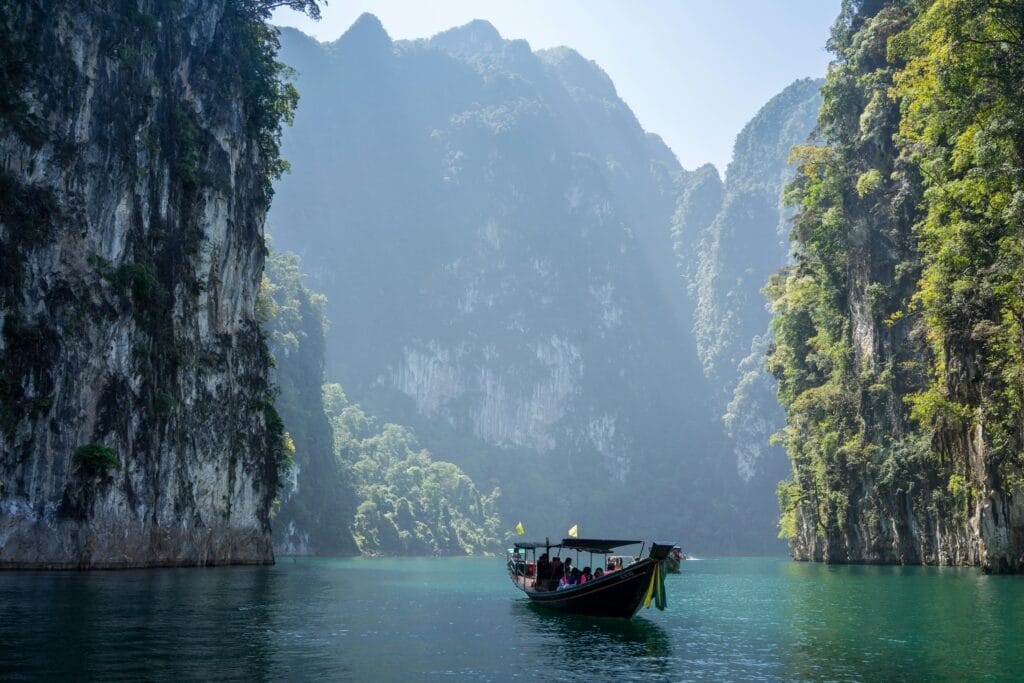
Thailand is a true Southeast Asian gem, enticing with colorful contrasts: from gold-glistening temples to turquoise beaches, from modern skyscrapers in Bangkok to peaceful mountain villages in the north. In this country, hospitality and smiles are part of life, while rich culture, exotic cuisine, and impressive nature create a truly unique travel experience.
Basic Information About Thailand
- Capital: Bangkok
- Area: 513,120 km²
- Population: ~70 million (2024)
- Currency: Thai Baht (THB)
- Language: Thai
- Time Zone: ICT (GMT+7)
When to Travel to Thailand?
Dry Season (November–February)
This is the best time to visit Thailand. Weather is pleasantly warm (20–30 °C), almost no rain. Ideal time to explore cities, temples, or simply enjoy beaches. Most tourists, prices are also highest.
Hot Season (March–May)
Temperature rises to 30–35 °C (sometimes even more). Great time to enjoy water activities, and in April Songkran is celebrated – traditional Thai New Year festival. Fewer tourists, prices slightly lower.
Rainy Season (June–October)
Rains are short and often predictable, and nature is at its greenest. Temperature remains warm (25–32 °C). This is a quieter time for travel, with lower prices and fewer tourists, though some islands may be harder to reach.
Main Cities and Regions
Bangkok
Thailand’s dynamic capital, where modernity harmonizes with traditions.
Places to Visit:
- Grand Palace and Temple of the Emerald Buddha – the Grand Palace, founded in 1782, is a symbol of Thai monarchy and an architectural masterpiece. The Temple of the Emerald Buddha (Wat Phra Kaew) within the complex houses Thailand’s most famous religious relic – a Buddha statue carved from green jasper. The complex is adorned with gilded stupas, colorful mosaics, mythological creatures, and traditional Thai ornaments. The architecture reflects Thai, Chinese, and European influences.
- Wat Arun (Temple of Dawn) – rising on the banks of the Chao Phraya River, Wat Arun is one of Bangkok’s most impressive temples. Its 82-meter-high central prang (tower) is decorated with porcelain and ceramic mosaics that sparkle especially beautifully at sunset. The temple’s architecture is based on Khmer style, and its terraces symbolize the journey to nirvana. The temple got its name from the Hindu sun god Aruna.
- Chatuchak Weekend Market – the world’s largest weekend market, covering 27 acres and having more than 15,000 stalls. Here you can find everything: from traditional handicrafts, antiques, clothes to animals, food, and plants. The market is divided into 27 sections and is a great place to get to know local culture and trading traditions.
- Floating Markets – Bangkok’s trading form where vendors sell fresh fruits, vegetables, food, and other products directly from boats. Although the largest floating markets are now outside the city limits (Damnoen Saduak, Amphawa), they remain a unique cultural phenomenon reflecting old Bangkok’s way of life when the main transport arteries were canals.
- Khao San Road – the street has become a center for international travelers, famous for cheap hotels, bars, restaurants, and souvenir shops. Here Eastern and Western cultures merge, you can taste traditional Thai food, watch street musicians’ performances and enjoy lively nightlife atmosphere. The street has become a cultural phenomenon of sorts, reflecting modern Bangkok.
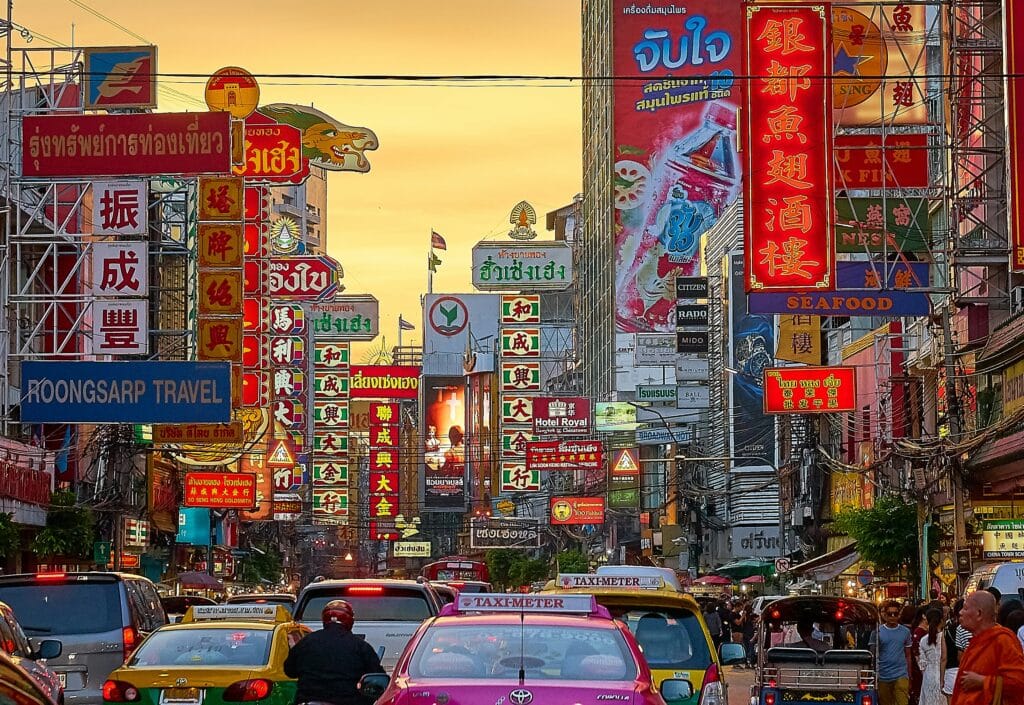
- Chinatown – one of Bangkok’s oldest districts, founded in 1782. Yaowarat Road and surrounding alleys are famous for authentic Chinese cuisine, gold shops, traditional medicine stores, and temples. The district becomes especially lively in the evening when numerous street food stalls open, offering famous seafood, Chinese soups, and exotic desserts. Traditional Chinese architectural elements and cultural traditions are well preserved here.
Chiang Mai
Northern Thailand’s cultural capital, famous for temples and mountain tranquility.
Worth Visiting:
- Doi Suthep Temple – this is not just a temple, but a true mountain gem shining in Thailand’s sun! Officially called Wat Phra That Doi Suthep, it stands about 1,000 meters above sea level and is reached by a 309-step serpentine staircase guarded by legendary nagas (no, not those nails, but mythological creatures!). This temple was built in 1383, and its heart is a golden chedi (stupa) believed to house Buddha’s relic. And of course, the legend about the white elephant is important here – it “decided” where the temple should stand by trumpeting and elegantly falling on the mountain. Drama and sanctity in one place.
- Old Town Temples – open-air lessons in Lanna Kingdom architecture. For example, Wat Chedi Luang, once the tallest Lanna structure, now attracts curious visitors with its grandeur. Wat Phra Singh houses the famous Phra Singh Buddha image and shines with beautiful wood carvings. And Wat Chiang Man, the city’s oldest temple, is simply a time machine – it was built in 1296 along with the city itself and is famous for two sacred Buddha statues – crystal and marble.
- Night Markets and Night Bazaar – a place where Thai culture and trading passion merge into one bustling sea. Chiang Mai’s Night Bazaar stretches over several streets and offers everything: from traditional handicrafts to the tastiest local snacks. Don’t forget to try khao soi – coconut milk curry soup with noodles, which can be called a local Michelin star-worthy dish. The Sunday Night Market on Ratchadamnoen Street is another cool thing, especially if you like authentic handmade crafts.
- Elephant Sanctuary Centers – these gentle and proud animals get what they deserve here – peace and care. Centers like Elephant Nature Park show how tourism and animal welfare can be combined. Visitors can observe elephants in their natural environment, not on saddles, and learn many interesting things about protecting these magnificent animals. There’s no “attraction” here – it’s a lesson in respecting nature.
- Hill Tribes and Their Villages – Thailand’s cultural mosaic. Tribes like Karen, Hmong, Akha, or Lahu have maintained their traditions that simply catch the eye. For example, Karen women are famous for their long-neck tradition, and Hmong tribe handicrafts are a true explosion of colors! Today many tribes have adapted to modernity, but their festivals, crafts, and unique way of life remain a living Thai heritage.
Phuket
Thailand’s largest island, known for beaches and active nightlife.
Places to Visit:
- Phi Phi Islands – this island archipelago is one of Thailand’s most beautiful, famous for crystal waters and impressive limestone cliffs. On Phi Phi Leh island is the famous Maya Bay, where the movie “The Beach” was filmed. Phi Phi Don island offers excellent diving and snorkeling opportunities, colorful coral reefs, and rich underwater world. The islands stand out with white sand beaches, palm groves, and turquoise water.
- Phang Nga Bay with famous James Bond Island – Ko Tapu, better known as James Bond Island, became famous after the movie “The Man with the Golden Gun.” This 20-meter-high rock rising from emerald water has become a symbol of Thai tourism. The entire Phang Nga Bay charms with mangrove forests, underground cave systems, and many small islands. Tourists can explore the bay in traditional long boats called longtails.
- Big Buddha – a 46-meter-high white marble Buddha statue located on Nakkerd Hill and visible from many Phuket locations. The statue is not only an important religious symbol but also offers breathtaking views of Phuket island, Chalong Bay, and the Andaman Sea. The complex also has a Buddhist temple and meditation center.
- Old Phuket Town – the historic center famous for Sino-Portuguese architecture – colorful colonial-style buildings that once belonged to wealthy Chinese merchants. Walking through Thalang Road and Soi Romanee streets, you can admire well-preserved mansions, visit art galleries, cozy cafes, and souvenir shops. The area also has many traditional Chinese shrines and temples.
- Promthep Cape – the southernmost point of Phuket island, famous as one of the best places to watch sunset. The viewpoint offers panoramic views of the Andaman Sea, nearby islands, and the horizon where the sun slowly sinks into the water. At sunset, this place attracts crowds of tourists, so it’s worth arriving early to secure a good spot.
Krabi
Province on the Andaman coast, famous for dramatic limestone cliffs and pristine beaches.
Don’t Miss:
- Railay Beach – accessible only by boat due to surrounding steep cliffs, this beach has become a paradise for rock climbers. More than 700 marked climbing routes of various difficulty attract enthusiasts from around the world. The beach also offers white sand, turquoise water, and spectacular views of limestone formations.
- Four Islands Tour – a popular boat excursion visiting Phra Nang Cave Beach, Tup Island, Chicken Island, and Poda Island. Each island has its unique charm – from caves with stalactites to sandbanks connecting islands at low tide. Perfect place for snorkeling and relaxation.
- Emerald Pool and Hot Springs – natural pools in Thung Teao Forest Natural Park. The Emerald Pool impresses with its turquoise water and jungle surroundings, while nearby hot springs offer a chance to relax in naturally heated water.
- Tiger Cave Temple (Wat Tham Sua) – a Buddhist temple complex famous for 1,237 steps leading to the summit offering panoramic views of Krabi province. The temple is also known for tiger paw prints found in the cave and as a meditation center.
What Does Thailand Offer Food Lovers?
Traditional Dishes:
- Pad Thai: probably the most famous Thai dish – stir-fried rice noodles with eggs, tofu, shrimp or chicken, bean sprouts, and peanuts. Seasoned with tamarind paste, fish sauce, and palm sugar, creating a perfect balance of sweet, sour, and salty flavors.
- Tom Yum Goong: iconic spicy and sour soup with shrimp. The broth is cooked with lemongrass, galangal, kaffir lime leaves, chili peppers, and fish sauce. This soup is distinguished by intense flavors and aromatic smell.
- Green Curry: one of Thailand’s spiciest curries, made with green chili peppers, coconut milk, Thai basil, and vegetables. Often served with chicken or fish and eaten with rice.
- Som Tam: spicy papaya salad, one of Thailand’s most popular street food dishes. Fresh green papaya is pounded with chili peppers, garlic, lime juice, fish sauce, palm sugar, tomatoes, and peanuts. Result – refreshing, spicy, and crunchy salad.
- Mango sticky rice: classic Thai dessert. Sticky rice is steamed with coconut milk and sugar until soft and fragrant. Served with ripe mango fruits and drizzled with warm coconut sauce. Topped with toasted sesame seeds or mung bean crumbs.
- Massaman Curry: gentler than other Thai curries. It uses peanuts, cinnamon, cardamom, and cloves, giving the dish a Middle Eastern spice note. Most often made with potatoes and beef, slowly cooked in coconut milk until meat becomes very tender.
Itinerary Ideas
Weekend Trip:
- Day 1: Bangkok – Grand Palace and Wat Arun
- Day 2: Floating markets and Chinatown
Two-Week Trip:
- Days 1–3: Bangkok
- Days 4–6: Chiang Mai
- Days 7–10: Phuket and surrounding islands
- Days 11–14: Koh Samui or Krabi
Nature and Culture
- Khao Yai National Park: Thailand’s oldest national park, established in 1962. This UNESCO World Heritage Site stands out for incredible biodiversity – here you can see Asian elephants, gibbon monkeys, various reptiles, and more than 300 bird species. The park also has several impressive waterfalls, including the 80-meter-high Haew Narok and popular Haew Suwat waterfall, made famous in the movie “The Beach”.
- Ayutthaya: once was one of the world’s largest and wealthiest cities. In the 14th-18th centuries, it was the capital of the Siam Kingdom until the Burmese destroyed it in 1767. Today visitors can view impressive temple complexes, Buddha statues, and majestic palace ruins. Particularly impressive is Wat Mahathat temple, where you can see the famous Buddha face grown into tree roots.
- Sukhothai Historical Park: remains of the 13th-century Sukhothai Kingdom capital. This UNESCO site marks a period when Thai temple architecture, traditional Thai culture, and even Thai script were created. The park has 193 preserved archaeological sites, including the impressive Wat Si Chum temple with a giant seated Buddha statue.
- Koh Phi Phi Islands: became a global tourist attraction due to their incredible beauty. Maya Bay, where “The Beach” was filmed, is one of Thailand’s most photographed places. The islands offer excellent diving and snorkeling opportunities, you can see colorful coral reefs and exotic fish.
- Railay Beach: although technically on the mainland, accessible only by boat due to surrounding steep cliff rocks. These rocks attract climbing enthusiasts from around the world – there are more than 700 marked climbing routes here. Additionally, the beach is famous for crystal-clear water and fine white sand.
- Ang Thong Marine National Park: comprises 42 islands in the Gulf of Siam. The park is famous for its dramatic cliff rock landscapes, hidden lagoons, and coral reefs. One of the most impressive places is Emerald Lake – a saltwater lake surrounded by steep rocks, resembling a natural amphitheater.
Simple Practical Tips That Can Save You When Traveling Around Thailand
- Transportation: in cities – tuk-tuks, between cities – buses or trains
- Clothing: temples require covering shoulders and knees
- Water: drink only bottled water
- Bargaining: common practice at markets and with tuk-tuk drivers
- Respect: the royal family and Buddhism are highly respected in Thailand
- Safety: beware of pickpockets in tourist-heavy areas
Main Events
- Songkran: is Thailand’s traditional New Year celebration, lasting three days (April 13-15). It’s the year’s biggest and most fun festival when the entire country turns into a giant water fight. Traditionally, this custom originated from respectfully pouring water on Buddha statues and hands of elderly family members – symbolizing purification and blessing for the new year. Today the festival has become a massive water celebration where people on streets drench each other with water using water guns, buckets, and hoses.
- Loy Krathong: one of Thailand’s most beautiful festivals. During it, people release small rafts (krathong) into water, made from banana leaves and decorated with flowers, incense, and candles. These rafts symbolize respect for the water spirit and with them people “release” their worries, anger, and negative emotions. In the evenings, bodies of water glow with thousands of floating candlelights.
- Yi Peng: celebrated in the Chiang Mai region, is special because thousands of bright paper lanterns (khom loi) are released into the night sky. This sight creates a magical atmosphere – the sky becomes dotted with glowing points, like stars. It’s believed that releasing a lantern releases your worries, and wishes rising with it will come true.
- Phuket Vegetarian Festival: also called “Nine Emperor Gods Festival,” is a nine-day celebration during which participants follow a strict vegetarian diet and perform various ritual actions. During the festival, you can see extreme rituals when participants walk on hot coals or pierce their bodies with sharp objects, believing in divine protection.
- Rocket Festival: May. A unique Northeastern Thailand festival during which local communities make and launch homemade rockets reaching more than 100 meters high. This ancient ritual is meant to ask for rain for the upcoming rice harvest. During the festival, there are rocket beauty and height competitions, accompanied by traditional dances and music.
- Full Moon Parties on Koh Phangan: every month, on full moon night, Haad Rin Beach fills with thousands of dancers from around the world. The party starts at sunset and continues until the next day’s morning, with different music zones, UV decorations, and energetic atmosphere. Although this isn’t a traditional Thai festival, it has become an inseparable part of modern Thai culture.
Thailand is a country where everyone can find their paradise: from Buddhist temples and cultural heritage to white sand beaches, from breathtaking street cuisine to modern shopping centers. Here hospitality and constantly smiling locals guarantee an unforgettable journey full of impressions and exoticism.
Learn how to save money when planning a trip!