 Egypt
Egypt 
Egypt: Land of the Pharaohs Along the Nile Banks
Egypt is a country where past and present shake hands in friendship. Imagine: magnificent pyramids stand just steps away from modern skyscrapers, while in bustling Cairo the past is still alive in every corner. Here the Nile lazily winds its way to the Red Sea, where colorful coral reefs and an underwater world like from dreams await. Egypt invites you to unravel millennia-old historical mysteries, feel the romance of the desert, and immerse yourself in the vibrant, breathtaking Arab culture.
Basic Information About Egypt
- Capital: Cairo
- Area: 1.01 million km²
- Population: ~105 million (2024)
- Currency: Egyptian Pound (EGP)
- Language: Arabic
- Time Zone: EET (GMT+2)
When is the Best Time to Travel to Egypt?
Winter (December–February)
Best time for travel (20-25°C). Pleasant weather during the day, cooler evenings. Main tourist season, must book hotels in advance.
Spring (March–May)
Warming weather (25-35°C). Good time before the heat begins. Possible sandstorms (Chamsin).
Summer (June–August)
Very hot (35-45°C). Lower prices, fewer tourists. Ideal time for Red Sea resorts.
Autumn (September–November)
Pleasant weather (25-30°C). Great time for cultural tourism and Nile cruises.
Main Cities and Regions
Cairo
Africa’s largest city, a blend of antiquity and modernity.
Places to Visit:
- Giza Pyramid Complex – a monumental ancient Egyptian architectural ensemble, already over 4,500 years old. The Great Pyramid of Khufu, the only surviving object of the Seven Wonders of the World, reaches 146.5 meters in height and was built from 2.3 million stone blocks. Next to it stand the pyramids of Khafre and Menkaure. The Great Sphinx, a 20-meter-high and 73-meter-long statue with a lion’s body and human head, guards the complex. The “Solar Boat Museum” displays restored wooden boats from pharaonic times that were found buried next to the pyramids.
- Egyptian Museum – a priceless treasure of ancient Egyptian civilization. The museum houses over 120,000 exhibits, including the famous Tutankhamun collection with its gold mask, sarcophagi, and royal jewelry. Here you can also see royal mummies, monumental statues, everyday artifacts, and artworks from various pharaonic periods.
- Khan el-Khalili Market – operating since the 14th century and distinguished by a labyrinth of narrow alleys teeming with merchants, craftsmen, and shoppers. Here you can find everything: from traditional spices, perfumes, and jewelry to handmade textiles, copper works, and antiques. The market atmosphere is complemented by historic cafes such as “El Fishawi,” which has been operating continuously for 200 years.
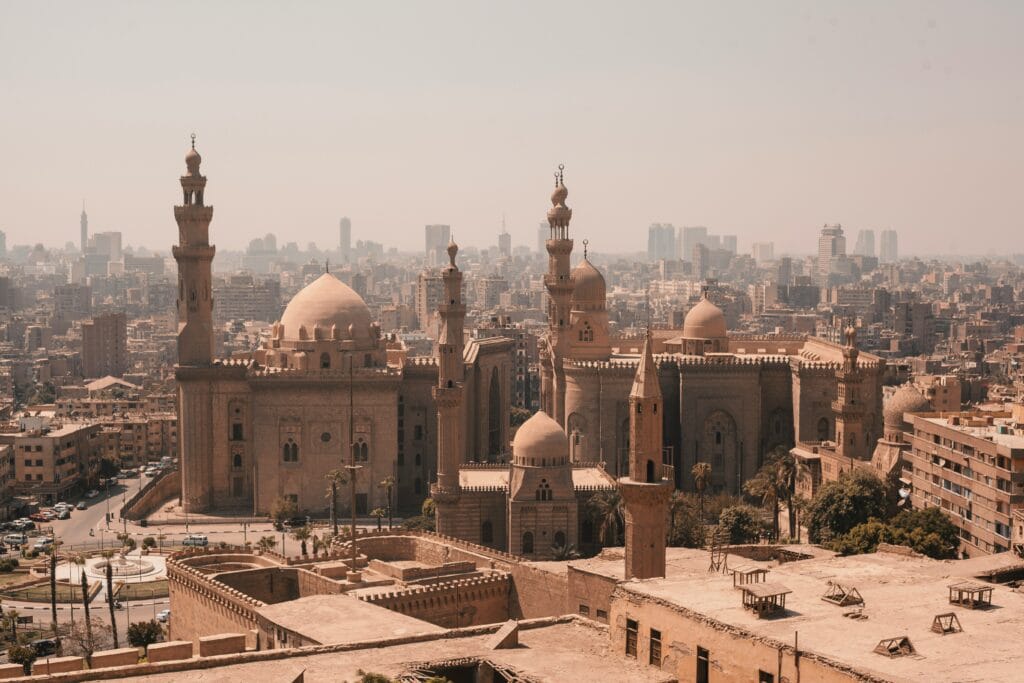
- Al-Azhar Mosque – built in 972, is not only Cairo’s oldest operating mosque but also one of the world’s most important Islamic learning centers. Its architecture reflects various Islamic art styles, and the Al-Azhar University operating at the mosque is the world’s oldest continuously functioning university.
- Cairo Tower – a 187-meter-high symbol of modern architecture, offering breathtaking views of the city, the Nile, and pyramids looming in the distance. A revolving restaurant at the top of the tower allows you to enjoy the panorama while dining.
- Coptic Quarter – the old Christian district where unique early Christian monuments remain. Here you can visit the “Hanging Church” (Al-Muallaka), built on the ruins of a Roman fortress, St. Sergius Church where the Holy Family is believed to have stayed, and the Coptic Museum with a rich collection of early Christian culture.
Luxor
Site of ancient Thebes, the world’s largest open-air museum.
Don’t Miss:
- Valley of the Kings – a monumental necropolis where New Kingdom pharaohs were buried for almost 500 years (16th-11th century BC). 63 tombs have been discovered in the valley, the most famous being Tutankhamun’s tomb (KV62), discovered in 1922 by archaeologist Howard Carter. This tomb was distinguished by being the only one almost untouched by looters, so over 5,000 artifacts were found in it, including the famous gold mask. The tombs are distinguished by complex corridor labyrinths, wall paintings, and hieroglyphs depicting the journey to the afterlife.
- Karnak – the largest surviving ancient religious complex in the world, built over more than 2,000 years. The central Temple of Amun-Ra amazes with its scale – the great hypostyle hall alone has 134 massive columns, the tallest reaching 21 meters. The complex also contains sacred lakes, obelisks, temples dedicated to other gods (Mut, Khonsu), and the famous avenue of ram-headed sphinxes connecting Karnak with Luxor Temple.
- Luxor Temple – built on the Nile bank, was dedicated to the cult of Amun, his wife Mut, and son Khonsu. The temple is distinguished by an impressive colonnade, statues of Ramses II, and well-preserved reliefs. Previously, a 3-kilometer-long avenue of sphinxes connected the temple with Karnak, which is currently being restored. The temple looks especially impressive at night when specially illuminated.
- Valley of the Queens – a separate necropolis dedicated to burying royal family members – queens, princes, and princesses. About 80 tombs have been found here, the most notable belonging to Nefertari (wife of Ramses II) and Queen Titi. The tombs are distinguished by more subtle decorations than the Valley of the Kings, but no less impressive wall paintings depicting daily life and religious rituals.
- Deir el-Bahari – an impressive temple-tomb built for Queen Hatshepsut, one of the few women who ruled Egypt. The temple is distinguished by unique architecture – it is carved into the rock and has three terraces connected by a ramp. The temple walls are covered with reliefs depicting the most important events of Hatshepsut’s reign, including the famous expedition to Punt. The temple location was not chosen randomly – it harmoniously blends into the dramatic cliff landscape and is oriented so that sunrise rays illuminate its holiest part.
Aswan
Center of Nubian culture and gateway to Southern Egypt.
Places to Visit:
- Abu Simbel Temples – an architectural marvel consisting of two temples: the Great Temple dedicated to Pharaoh Ramses II, and the Small Temple dedicated to his wife Nefertari. The temple facades are adorned with gigantic 20-meter-high statues of seated pharaohs. In the 1960s, during construction of the Aswan Dam, the temples were dismantled and moved 65 meters higher to save them from flooding. A special feature of the temples – they are designed so that twice a year sunbeams penetrate to the deepest part of the temple and illuminate three of the four god statues.
- Philae Temple – dedicated to the goddess Isis, located on an island in the Nile. Like Abu Simbel, this temple was relocated during the construction of the Aswan Dam. The temple complex includes several structures from different periods, sound and light shows are held in the evenings. The island is accessible only by boat, adding romance to the visit.
- Aswan Dam – one of the largest dams in the world, built in 1970. The dam not only provides Egypt with electricity but also created Lake Nasser, one of the largest artificial lakes in the world. The dam visitor center explains the engineering feat and the dam’s importance to Egypt’s economy.
- Nubian Villages – colorful villages on the Nile banks where Nubian culture and traditions are preserved. Houses painted in bright colors, traditional crafts, unique cuisine. Visiting these villages offers an opportunity to get acquainted with Nubian hospitality and culture.
- Unfinished Obelisk – a unique archaeological site showing how ancient Egyptians worked stone. This obelisk, which would have been the largest in Egypt (42 meters), was left in the quarry due to cracks in the rock. It provides insight into ancient construction techniques.
Red Sea Resorts
Paradise for divers and beach lovers.
Popular Resorts:
- Sharm El Sheikh – the most famous Egyptian resort at the southern tip of the Sinai Peninsula. Here are located the best diving sites, including Ras Mohammed National Park. The resort offers luxury hotels, vibrant nightlife, and various entertainment options. Especially popular among European tourists during winter months.
- Hurghada – Egypt’s oldest resort on the Red Sea, more affordable than Sharm El Sheikh but equally attractive. Long sandy beaches, diving and snorkeling opportunities, water sports. The town also has historic quarters worth visiting.
- Marsa Alam – a quieter, more secluded resort, ideal for those seeking tranquility. Famous for untouched coral reefs and the opportunity to see dugongs (sea cows). Also a popular place for kitesurfing due to constant winds.
- Dahab – a former hippie village transformed into a popular resort, retaining its relaxed atmosphere. Famous for the Blue Hole, one of the world’s most famous diving sites. Cheaper than other resorts, attracts backpackers and divers.
What Does Egypt Offer Food Lovers?
Traditional Dishes:
- Kushari – Egypt’s national dish, a unique combination of rice, pasta, lentils, chickpeas, fried onions, and tomato sauce. This vegetarian dish is filling, inexpensive, and available everywhere. Each cook has their own recipe, but the base always remains the same. Kushari is believed to have originated in the 19th century and reflects the country’s multicultural influences.
- Ful medames – the oldest known dish in Egypt, mentioned in pharaonic writings. It’s made from long-cooked fava beans mixed with olive oil, lemon juice, garlic, and cumin. The dish is traditionally eaten for breakfast, often with Egyptian bread (aish baladi), eggs, and vegetables.
- Molokhia – a specific soup made from finely chopped jute (Corchorus) leaves. These leaves are cooked in chicken or rabbit broth with garlic and coriander. The soup has a specific slimy texture and is very nutritious. It’s traditionally believed this dish was eaten in pharaonic times.
- Shawarma – although originating from the Levant region, it has become an inseparable part of Egyptian street food culture. Meat (usually chicken or beef) is cooked on a vertical spit, sliced thinly, and served in pita with vegetables, tahini sauce, and sometimes hot peppers.
- Um Ali – a traditional Egyptian dessert with an interesting history. It’s made from layered pastry, milk, cream, nuts, and raisins. The dessert is baked in the oven until golden. Legend says it was created by Um Ali (Ali’s mother) in the 13th century for the sultan’s wife.
- Tahini – a key ingredient in many Egyptian dishes. This paste is made from ground roasted sesame seeds. It’s used to make hummus, baba ganoush, and various sauces. Tahini is also an important ingredient in halva (a sweet dessert).
- Baklava – although originating from Ottoman Empire cuisine, it has its own unique style in Egypt. Egyptian baklava is often sweeter and moister than the Turkish version. It’s made from thin layers of phyllo dough filled with chopped nuts (usually pistachios or walnuts) and drenched in honey syrup.
Travel Itinerary Ideas
Weekend Trip:
- Day 1: Cairo – pyramids and museum
- Day 2: Islamic Cairo and market
Two-Week Trip:
- Days 1–3: Cairo and Giza
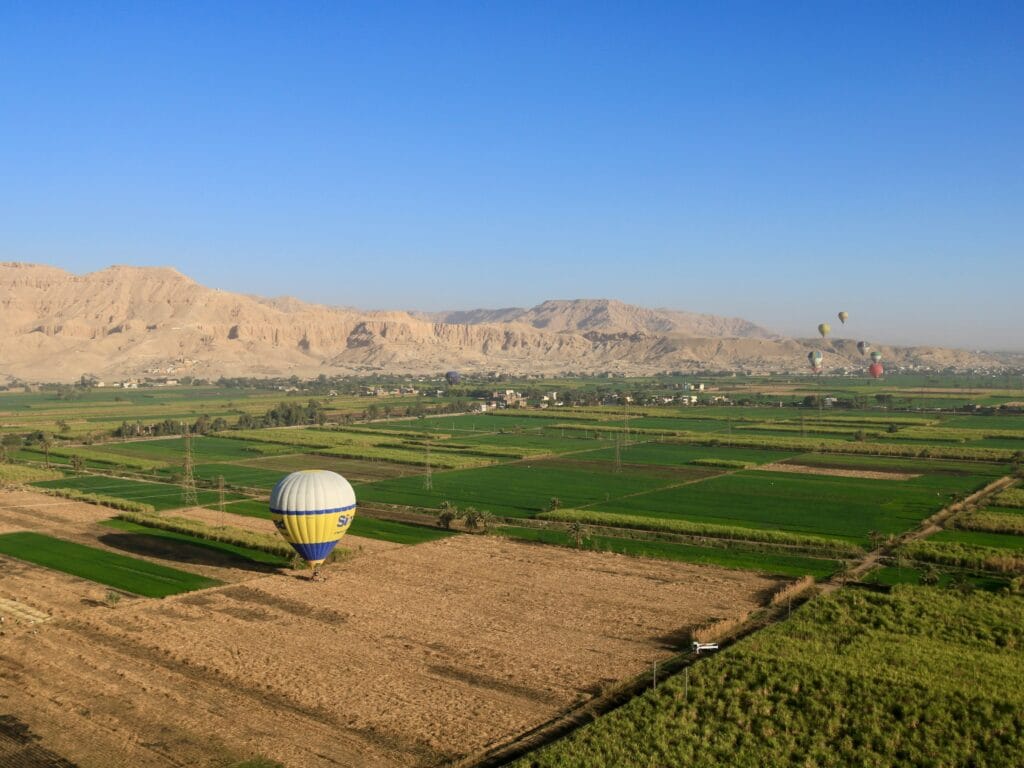
- Days 4–6: Luxor and Valley of the Kings
- Days 7–8: Aswan and Abu Simbel
- Days 9–11: Nile cruise
- Days 12–14: Red Sea resort
Egypt’s Nature
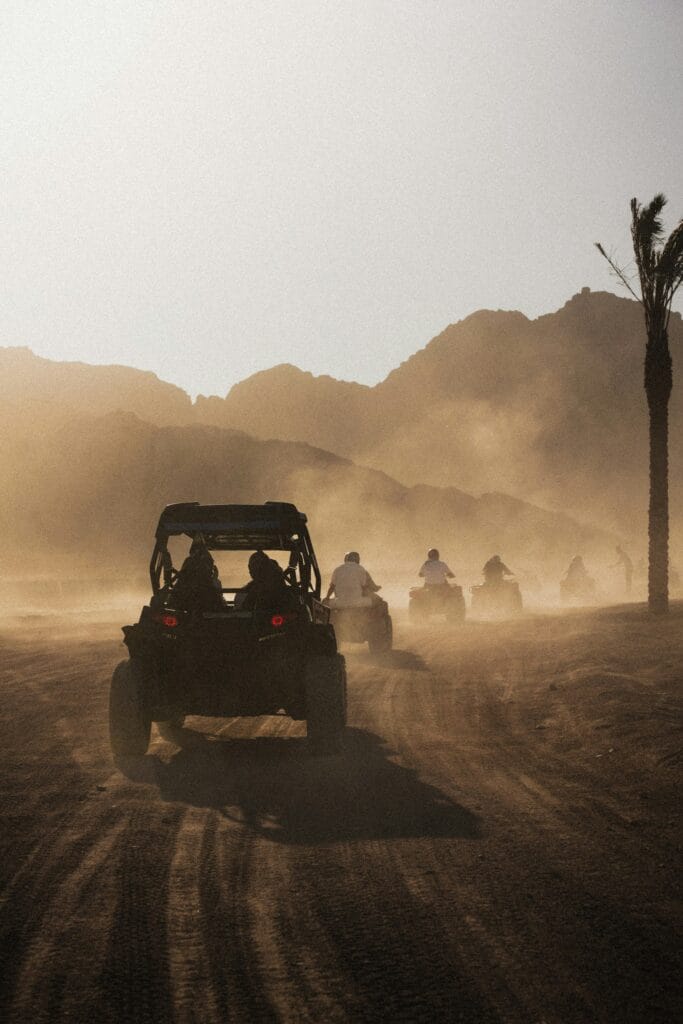
- Sahara Desert – occupies most of the country and offers a unique experience. In the Western Desert, you can find huge dunes reaching up to 100 meters in height, constantly changing their shape due to wind. At night, the desert opens up completely differently – the sky becomes a dome of bright stars, and the temperature can drop to zero. Bedouin-led safari tours allow you to experience the traditional desert lifestyle.
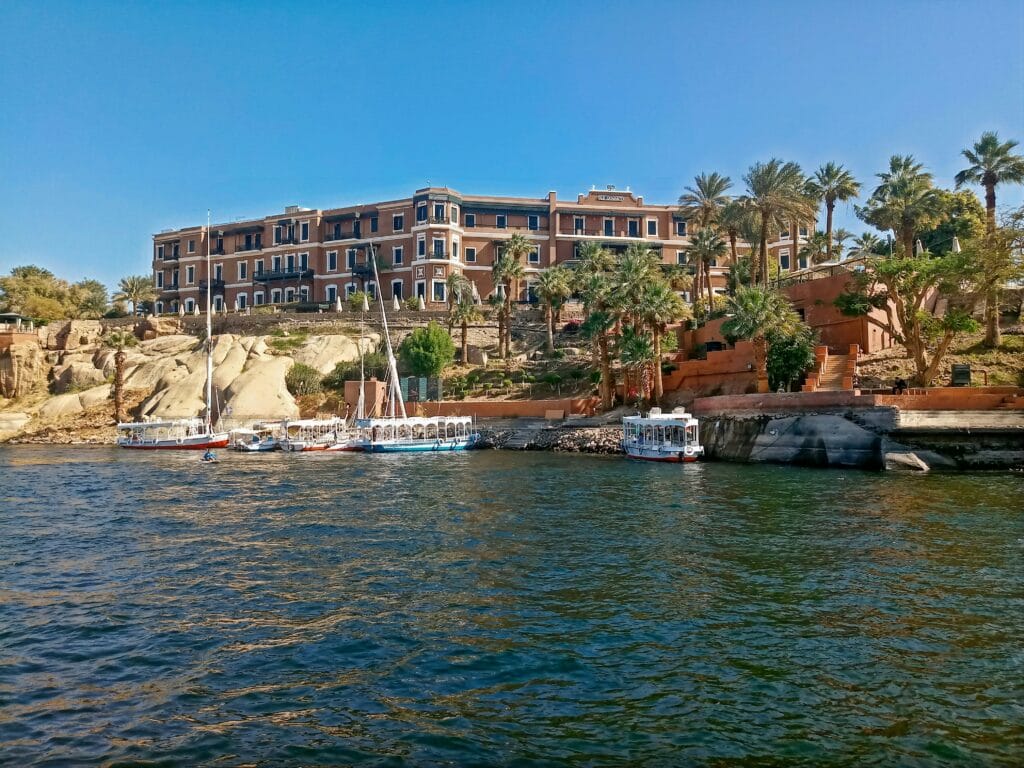
- Nile – Egypt’s source of life, flowing through the entire country from south to north. The river delta and valley make up only 5% of the country’s territory, yet 95% of the population lives here. On the riverbanks, you can observe various birds, crocodiles, and traditional farmers’ lives. Nile cruises between Luxor and Aswan reveal not only natural beauty but also ancient Egyptian architectural monuments.
- Red Sea Coral Reefs – some of the best diving sites in the world. Ras Mohammed National Park near Sharm El Sheikh offers the opportunity to see more than 1,000 fish species and 150 coral species. The water is exceptionally clear, and the temperature is pleasantly warm year-round. Here you can see rare sea turtles, pods of dolphins, and colorful reef inhabitants.
- White Desert National Park – located in the Western Desert, looks like a landscape from another world. White limestone formations formed over millions of years due to wind erosion resemble mushrooms, pyramids, or animals. They look especially impressive at sunset when shadows create fantastic images. The park also contains fossils and crystals.
- Siwa Oasis – one of the most isolated inhabited places in Egypt, surrounded by the Sahara Desert. The oasis is famous for its mineral springs, date palm groves, and ancient ruins, including the Temple of Amun where Alexander the Great consulted the oracle. Local residents of Berber origin have preserved their unique traditions and way of life. The oasis also has salt lakes where you can float due to high salinity.
Practical Tips
- Transportation: Between cities you can travel by plane or train – both options are good, depending on how urgent. In cities, taxis are a good choice, but make sure the driver uses a meter, otherwise the trip price can become a desert mirage.
- Internet: You’ll find it in hotels and cafes, but if you want to be online all the time, a local SIM card is your best friend. Or eSIM.
- Payment: Cards work in main locations, but Egypt isn’t a place where you can get by without cash. Small bills are your savior.
- Clothing: Conservative style is the rule here, not the exception. Better keep shoulders and knees covered – this way you’ll not only show respect but also avoid sunburn.
- Water: Drink only bottled water, otherwise your stomach might stage a protest, and you really won’t want to deal with that during vacation.
- Tipping (baksheesh): Tipping culture is serious here – even small gratitude is appreciated.
Main Events
- Ramadan: the holiest month in the Muslim calendar, during which believers fast from dawn to sunset, abstaining from drinks, smoking, and other pleasures. Dates change annually because Muslims use the lunar calendar. During this period, the city rhythm changes dramatically – streets are quieter during the day, while at night cities come alive with festive decorations, special restaurant menus, and street festivals. Tourists are advised to respect local customs and avoid eating and drinking in public places during the day.
- Cairo International Film Festival: the oldest and most important film festival in the Arab world, held in November. The festival attracts prominent filmmakers from around the world, showing both commercial and art films. During this festival, not only film screenings but also discussions, seminars, and award ceremonies are organized.
- Abu Simbel Sun Festival: celebrated twice a year – February 22 and October 22. On these days, sunbeams penetrate through the temple entrance and illuminate three of the four god statues in the deepest part of the temple. This astronomical phenomenon attracts thousands of tourists, and during the celebration, traditional dances, musical performances, and festive events take place.
- Wafaa El-Nil: Nile flood festival. An ancient tradition celebrated in August when the Nile flood traditionally began. Although today, after building the Aswan Dam, there are no more floods, the celebration remains as a cultural event. During it, concerts are organized on the Nile banks, boat parades, traditional dances, and musical performances.
- Coptic Christmas: celebrated on January 7, as the Egyptian Coptic Church uses the Julian calendar. The celebration begins with solemn services in Coptic churches lasting until midnight. Afterward, families gather to celebrate with traditional Egyptian Christian dishes. During this period, Coptic neighborhoods, especially in Cairo, are decorated with festive decorations, and special concerts and events are held in churches.
Egypt is a country where past meets present, where every stone tells a story, and every street breathes with life. From majestic pyramids to colorful coral reefs, from chaotic Cairo to peaceful Nile banks – here every traveler can find their own Egypt!