 Morocco
Morocco: Cradle of Arab and Berber Cultures, Where the Sahara Sands Meet Atlantic Waves
Morocco is a true symphony of sensations, where colorful medina labyrinths intertwine with millennia-old market bustle. In the shadow of the Atlas Mountains shine magnificent imperial cities, while traditional Berber villages naturally harmonize with modern resorts. And when desert oases invite you to feel the true spirit of the Sahara, you understand that Morocco is a country of contrasts: snowy peaks and golden sand dunes, noisy medinas and peaceful Atlantic coasts – everything fits in one picture.
Basic Information About Morocco
- Capital: Rabat
- Area: 446,550 km²
- Population: ~37 million (2024)
- Currency: Moroccan Dirham (MAD)
- Languages: Arabic, Berber (official), French (widely used)
- Time Zone: Western European Time (WET, GMT+1)
When is the Best Time to Travel to Morocco?
Spring (March-May)
Ideal time for travel – pleasantly warm temperature (20-25°C), orange trees and roses bloom. In the Atlas Mountains you can still find snow, and in the desert there’s no scorching heat yet. Great time for hiking and city exploration.
Summer (June-August)
Hottest season (35-45°C), especially in the desert and cities. Better to choose coastal resorts like Essaouira or Agadir, where Atlantic winds bring coolness. Mountains have more pleasant temperatures, ideal for active recreation.
Autumn (September-November)
Pleasant weather (25-30°C), fewer tourists. Great time for desert safaris and city visits. Dates ripen in oases, harvest festivals begin.
Winter (December-February)
Mild (15-20°C during the day, cooler at night). In the Atlas Mountains – ski season. Fewest tourists, but occasional rain. Ideal for cultural tourism and market bargaining.
Main Cities and Regions
Marrakech
The Red City, where past and present intertwine in medina alleyways.
Places to Visit:
- Jemaa el-Fnaa Square – UNESCO heritage site, Africa’s largest market square. During the day, fruits and spices are traded, and in the evening the square becomes a real theater with street artists, musicians, and storytellers. Here you can taste traditional dishes, watch snake charmers, and listen to traditional gnawa music.
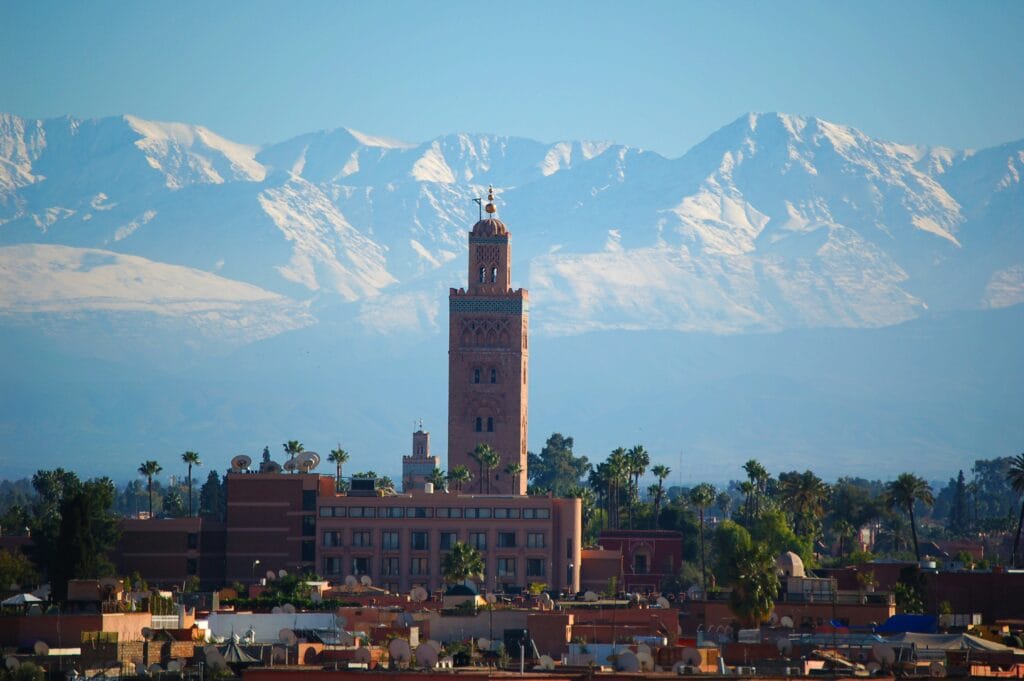
- Koutoubia Mosque – the city’s symbol and landmark, a 12th-century mosque with a 77-meter minaret. Its architecture became a model for many other mosques, including the Giralda tower in Seville. The mosque gardens are a perfect place to rest from the city bustle.
- Medina – UNESCO-protected old town with 19 km of defensive walls. Here you’ll find traditional souks (markets), where everything from spices to carpets is traded. Narrow streets full of artisan workshops where you can watch traditional crafts being made.
- Majorelle Gardens – gardens created by French painter Jacques Majorelle, later owned by Yves Saint Laurent. Bright blue walls contrast with exotic plants and cacti. The Berber Museum and Yves Saint Laurent Museum operate here.
- Ben Youssef Madrasa – the largest Islamic school in North Africa, founded in the 14th century. Its architecture amazes with incredible detail – walls decorated with carvings, mosaics, and arabesques. The inner courtyard with a pool and student cells reflect traditional Islamic architecture. Although it’s now a museum, you can still feel the study atmosphere and admire impressive Islamic art.
- Saadian Tombs – 16th-17th century royal dynasty mausoleum, discovered only in 1917. Here rest 66 members of the Saadian dynasty. The mausoleum halls are decorated with cedar wood, stucco, and Italian marble. The Hall of Twelve Columns with its mosaics and arabesques is especially impressive. This architectural ensemble is an excellent example of Morocco’s golden age.
- El Badi Palace – built in the 16th century, the “Incomparable Palace” was once the most luxurious in North Africa. Although only ruins remain, they’re still impressive – giant courtyard pools, underground tunnels, and remaining mosaics allow you to imagine the former grandeur. A popular storytelling festival is held here annually.
- Bahia Palace – late 19th-century palace with impressive gardens. The 150-room complex demonstrates the best work of Moroccan craftsmen of that time – carved cedar ceilings, stained glass, mosaics. The palace gardens with citrus trees and fountains are a perfect place to escape the city heat.
- Tanneries – leather tanning quarter – traditional leatherworking site where leather is still tanned using the same methods as 1,000 years ago. The best time to visit is early morning when workers start their day. Although the smell is strong, the sight is impressive – colored vats with dyes resemble a giant watercolor box.
- Menara Gardens – 12th-century gardens with a large artificial lake and pavilion. Here opens a wonderful view of the Atlas Mountains. The gardens were used as a royal resting place and olive grove. In the evenings, locals gather here to walk and socialize.
- Dar Si Said Museum – located in a 19th-century palace, this museum showcases traditional Moroccan art and crafts. Particularly impressive collection of traditional jewelry, carpets, and woodwork. The building itself is an excellent example of traditional Moroccan architecture.
- MACMA Museum of Contemporary Art – a contrast to the old town, showing the contemporary art side of Morocco. Here works of both local and international artists are exhibited, exhibitions and cultural events are organized.
Fez
The world’s oldest medina and cultural capital.
Places to Visit:
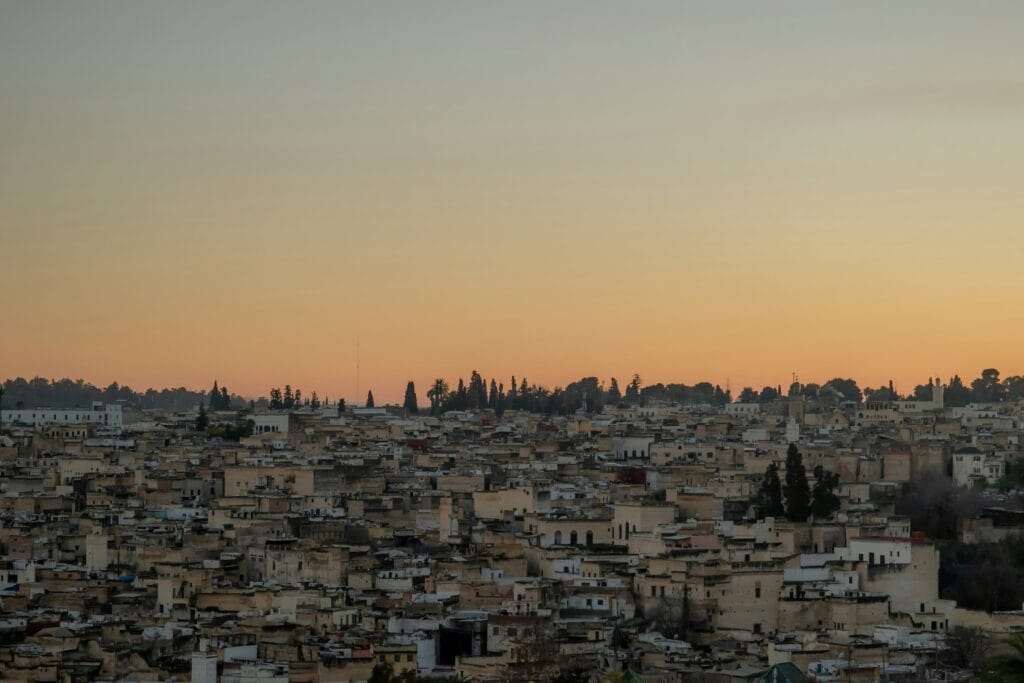
- Fes el Bali – the world’s largest pedestrian zone, UNESCO heritage site. A labyrinth of 9,000 alleyways where a medieval atmosphere is still alive. Here you’ll find famous leather tanneries where leather has been dyed using traditional methods for 1,000 years.
- Al Quaraouiyine – the world’s oldest functioning university, founded in 859 AD. The library houses priceless manuscripts, and the mosque holds 20,000 worshippers.
- Bou Inania Madrasa – 14th-century theological school, famous for impressive Islamic architecture and inscriptions. One of the few religious sites in Morocco open to non-Muslims.
- Merenid Tombs – 13th-14th century royal dynasty burial grounds on a hill offering breathtaking views of the entire Fez medina. At sunset, locals and tourists gather here to admire the golden sun rays painting the old town roofs. This is a perfect place to understand the city’s layout and feel its scale.
- Dar Batha Museum – traditional crafts museum established in 19th-century summer palace. An impressive collection of Fez traditional crafts is exhibited here: wood carvings, embroidered fabrics, traditional ceramics and mosaics. The palace’s Andalusian gardens with fountains are a peaceful oasis in a noisy city.
- Nejjarine Museum – a former caravan inn, now transformed into a woodworking crafts museum. The building’s architecture is an excellent example of traditional Moroccan craftsmen’s mastery with intricate wood carvings and mosaics. The roof terrace offers a unique view of the medina.
- Mellah – historic Jewish quarter, founded in the 14th century. Distinguished by its architecture – houses have balconies and windows facing the street, which is unusual for traditional Muslim architecture. Here you can visit the Ibn Danan Synagogue and Jewish cemetery, witnessing the city’s rich Jewish history.
- Borj Nord – 16th-century fortress, now housing a weapons museum. The exhibition covers weapons from ancient times to the 20th century. The fortress offers another impressive view of the city.
- Dar el-Makhzen – royal palace, although you can’t enter inside, its gates are an architectural masterpiece. Seven bronze gates decorated with traditional patterns and forgings, and the square in front of them is a popular meeting place.
- Fondouk el-Nejjarine – restored 18th-century merchants’ inn, now transformed into a woodwork museum. The three-story building with an inner courtyard demonstrates traditional Moroccan commercial architecture.
- Place Seffarine – copper smiths’ square, where today you can still watch masters forge copper vessels and decorations with traditional tools. The square’s sounds and rhythm create a special atmosphere.
- Attarine Madrasa – 14th-century theological school, famous for its onyx and marble decorations. Although smaller than Bou Inania Madrasa, it’s no less impressive in its architectural details.
- Chouara Tanneries – the largest and oldest tanneries in Fez. Although the smell is strong, the sight is unforgettable – workers soak leather in colorful vats using the same methods as a thousand years ago. The best view opens from the terraces of surrounding leather shops.
Sahara and Merzouga
Great desert experience and Berber hospitality.
Places to Visit:
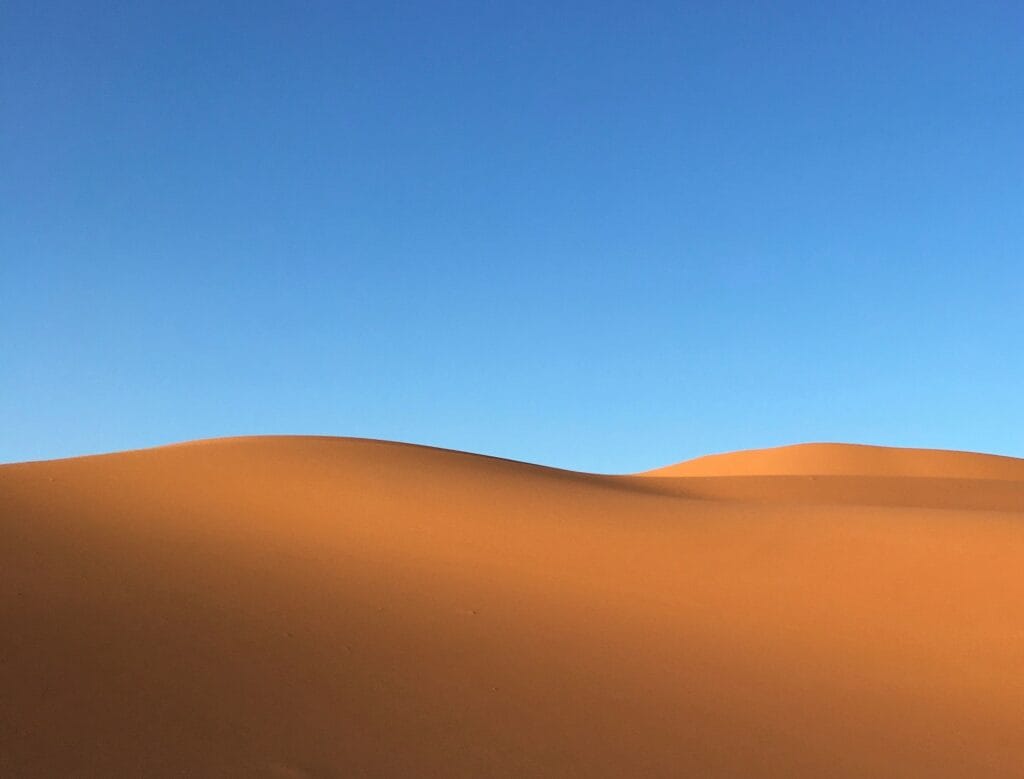
- Erg Chebbi Dunes – impressive sand dunes reaching 150 meters in height. The classic Sahara experience – camel rides, nights in Berber camps, starry sky without light pollution. Dunes change color from golden to deep orange depending on the time of day.
- Todra Gorge – dramatic canyon with 300-meter-high limestone walls. Popular among rock climbers and hikers. At the bottom flows a cool river, creating an oasis with palm trees.
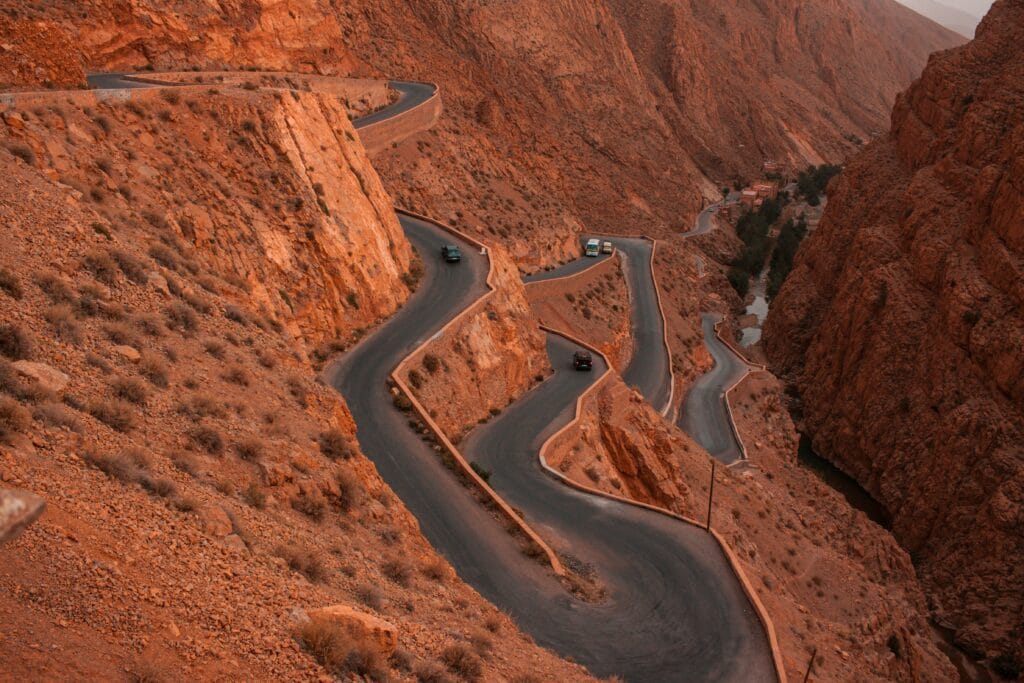
- Dades Valley – picturesque valley with dramatic rock formations, traditional kasbahs, and rose fields. The road winds along serpentines offering spectacular views.
- Ait Benhaddou – UNESCO World Heritage ksar (fortified village). Famous filming location (Gladiator, Game of Thrones). Traditional mud brick architecture perfectly preserved.
Essaouira
Atlantic coast gem with Portuguese heritage.
Don’t Miss:
- Medina – UNESCO heritage site with distinctive Portuguese-influenced architecture. White and blue walls, art galleries, and fish restaurants.
- Skala de la Ville – impressive 18th-century fortress walls with ocean views. Famous filming location for Game of Thrones.
- Port – working fishing port where you can watch traditional blue boats and enjoy fresh seafood.
- Windsurfing – consistent winds make Essaouira one of Africa’s best windsurfing destinations.
What Does Morocco Offer Food Lovers?
Traditional Dishes:
- Tagine: slow-cooked meat or vegetable dish in a special pot with a cone-shaped lid. Most popular combinations – lamb with prunes and almonds, chicken with lemons and olives. The dish symbolizes Moroccans’ love for slow cooking and sharing.
- Couscous: traditional Friday dish made from semolina with vegetables and meat. Served with clarified butter (smen) and supplemented with harissa sauce to taste.
- Pastilla: layered pastry pie with pigeon (traditionally) or chicken, almonds, and spices. The top is sprinkled with powdered sugar and cinnamon.
- Harira: traditional soup from lentils, chickpeas, and tomatoes. Especially popular during Ramadan when it breaks the fast.
- B’stilla: sweet almond cake with various spices. Traditional Fez delicacy.
- Mint tea: green tea with fresh mint and sugar, called “Moroccan whisky”.
Travel Itinerary Ideas
Weekend Trip:
- Day 1: Marrakech – medina and main attractions
- Day 2: Atlas Mountains excursion
Week-long Trip:
- Days 1-2: Marrakech
- Day 3: Essaouira – Atlantic coast
- Day 4: Atlas Mountains and Ait Benhaddou
- Day 5: Merzouga and Sahara Desert
- Days 6-7: Fez
Morocco’s Nature
- Atlas Mountains – North Africa’s highest mountain range, separating Mediterranean and Sahara climate zones. Toubkal National Park contains North Africa’s highest peak (4,167 m). The mountains are home to Barbary macaques, various birds, and rare plants.
- Sahara Desert – in southeastern Morocco begins the world’s largest desert. Merzouga and Zagora are main points for desert safaris. Erg Chebbi and Erg Chigaga dune fields offer authentic desert experience.
- Atlantic Coast – 1,835 km coastline with various beaches and port cities. Essaouira is famous for windsurfing and Portuguese architecture.
- Erg Chigaga Dunes – more remote and less visited than Erg Chebbi, but offer more authentic desert experience. Can only be reached with 4×4 transport.
- M’Hamid El Ghizlane – last town before the desert, traditional departure point for Erg Chigaga.
- Draa Valley – Morocco’s longest river valley, where palm oases and traditional villages contrast with desert landscape.
- Zagora – historic caravan town from which once began the 52-day journey to Timbuktu.
- Gorges region between Atlas and Sahara:
- Dades Gorge – called the “Route of a Thousand Kasbahs” due to numerous traditional clay fortresses. Here you can find impressive serpentines and rock formations.
- Todra Gorge has a unique ecosystem – rare plants grow here and endemic animal species live. An ancient caravan route stretches along the gorge.
- Skoura Oasis – palm groves where historic kasbahs remain, including the impressive Amerhidil.
Practical Tips
- Transportation: well-developed bus network, trains connect major cities
- Language: Arabic and French are useful, English spoken in tourist regions
- Payment: have cash dirhams, cards not accepted everywhere
- WiFi: in larger cities and hotels, but not always stable
- Water: drink only bottled water
- Clothing: respectful, covering shoulders and knees
Main Events in Morocco
- Ramadan: ninth Islamic month – the most important religious period. Although it may be unusual for tourists (many restaurants closed during the day), it’s a unique opportunity to experience authentic culture and evening festive meals (iftar).
- Fez Festival Season: June – celebrating sacred music and culture. The festival features performers from around the world performing Sufi, Jewish, Christian, and other traditional music.
- Rose Festival: May in Kelaat M’Gouna valley – celebrating the rose harvest. Traditional dances, music, and rose product making.
- Date Festival: October in Erfoud oasis – traditional Berber celebration honoring the date harvest.
- Morocco Festival: July in Rabat – contemporary music and arts festival attracting international stars and local talents.
Morocco is a country where every city has its own character and color. Marrakech shines red like the evening sky, Chefchaouen soothes with blue walls, and Fez charms with golden hues, as if woven from sunbeams. Here you taste not just mint tea, but a true work of art in a cup. Getting lost in the medina labyrinths is a mandatory adventure, and discovering the Sahara spirit is like meeting endless peace. And that desert sunset? A million shades that not only take your breath away but remain in your memory for a long time.