 Australia
Australia: Where Deserts Meet the Ocean and Kangaroos Win Jumping Competitions
Australia is a unique continent where modern cities harmonize with millennia-old cultural heritage treasures, and impressive nature invites you to experience the full spectrum of the world’s contrasts. From the Great Barrier Reef corals and tropical forests to the Uluru desert and cities like Sydney or Melbourne, Australia offers adventures you’ll never forget.
Basic Information About Australia
- Capital: Canberra
- Area: 7,692,024 km²
- Population: ~26 million (2024)
- Currency: Australian Dollar (AUD)
- Language: English
- Time Zones: Multiple time zones (AEST, ACST, AWST)
When to Travel to Australia?
Spring (September–November)
Spring in Australia delights with pleasantly warm weather (15–25 °C), ideally suited for nature exploration. Plants bloom during this time, and animals are active in national parks – it’s a great time to explore inland regions and breathtaking natural sites.
Summer (December–February)
Australia’s summer is the hottest season (25–35 °C), especially suitable for beaches, water sports, and relaxation by the ocean. Although tropical rains may occur in northern territories, it’s also the peak Christmas holiday season, so tourist flows and prices reach their heights.
Autumn (March–May)
A great time to stroll through vineyards and taste wines right where they’re born. The weather is pleasantly warm (15–25 °C), and there are fewer tourists – a perfect time to snap a selfie with a kangaroo without competition.
Winter (June–August)
While people in the northern hemisphere search for winter boots, in the Australian Alps you can snowboard or enjoy the dry season in tropical regions. The weather? Cool but not too much (5–15 °C).
Main Cities and Regions
Sydney
Australia’s largest city, famous not only for its iconic architecture but also for its energetic life.
Places to Visit:
- Opera House – Sydney Opera House, opened in 1973, is one of the most famous architectural works of the 20th century in the world. The building designed by Danish architect Jørn Utzon stands out with its unique “sail” shape and is included in the UNESCO World Heritage list. The complex consists of several concert halls, theaters, and restaurants. The ceramic-tiled “sail” domes have become a symbol not only of Sydney but of all Australia. The theater hosts world-class opera, ballet, and symphonic music events.
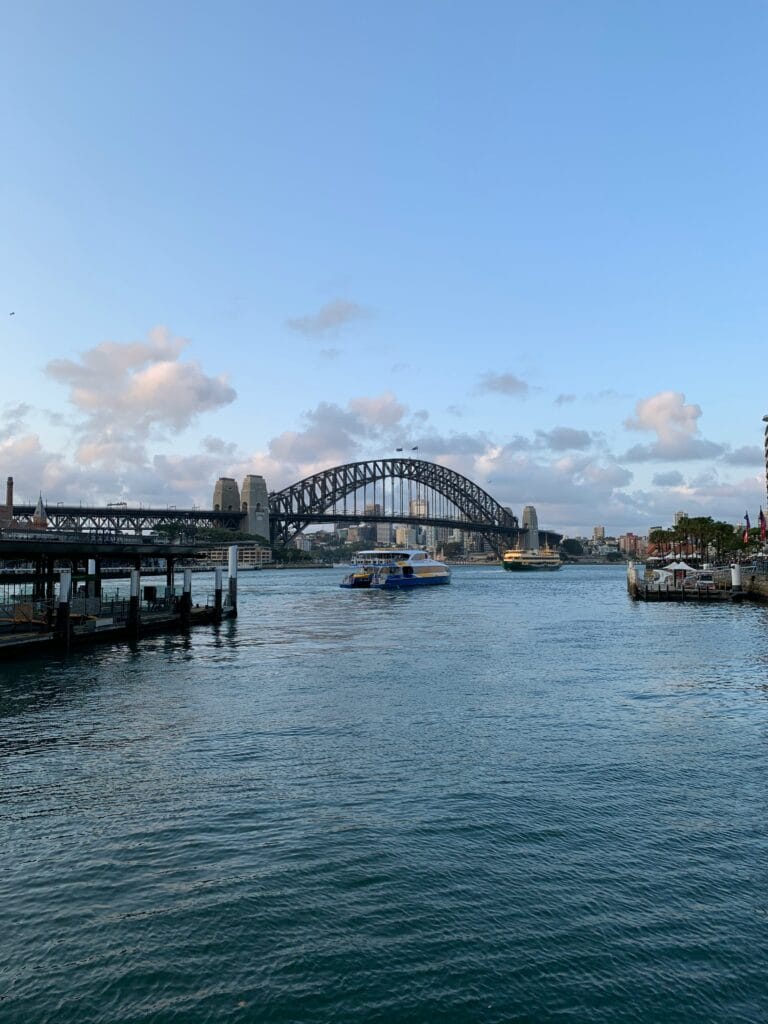
- Harbour Bridge – opened in 1932, Sydney Harbour Bridge is the world’s largest steel arch bridge. Locally called “The Coathanger” due to its characteristic shape, the bridge connects Sydney’s northern and central parts. The bravest visitors can participate in an organized bridge summit climb (“BridgeClimb”), which offers unparalleled views of the city and harbor.
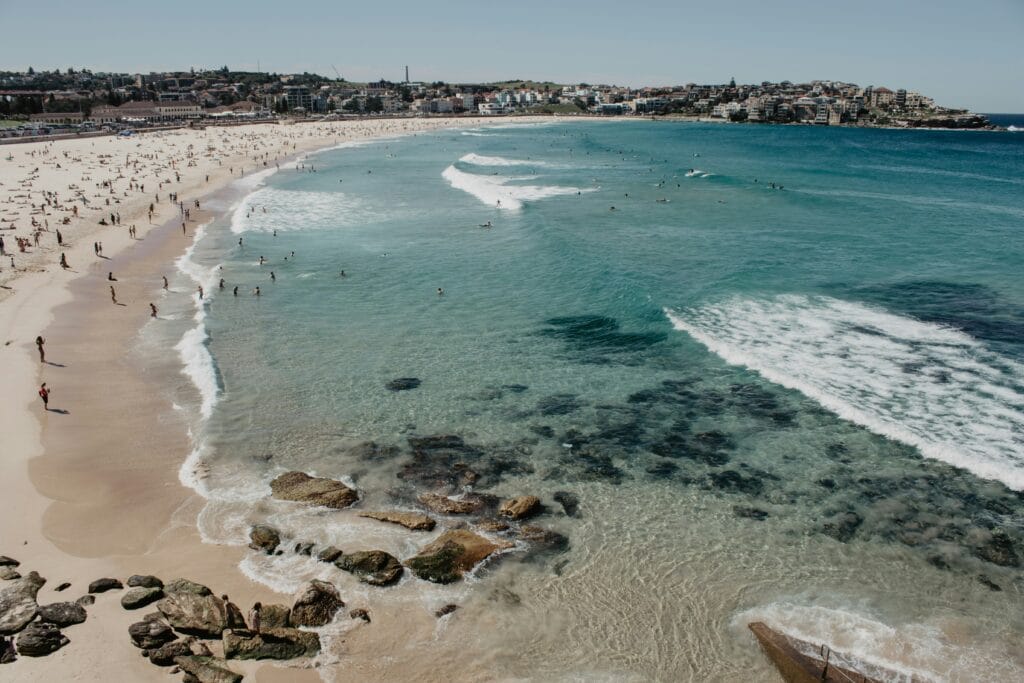
- Bondi Beach – Sydney’s most famous beach “Bondi” is a symbol of Australian beach culture. Here you can watch surfers, enjoy sun baths, or walk the famous coastal path “Bondi to Bronte”. The beach is famous for its lifeguard team, which became stars of the reality show “Bondi Rescue”. Numerous cafes, restaurants, and shops operate around the beach.
- Darling Harbour – a former industrial port that has today become a lively entertainment and leisure district. It houses Sydney Aquarium, “Wild Life” zoo, the Australian National Maritime Museum, and a huge shopping center. In the evenings, the district comes alive with numerous restaurants, bars, and nightclubs. Free entertainment, concerts, and fireworks shows are regularly held.
- The Rocks – Sydney’s oldest part “The Rocks” is where the first European colonists settled in 1788. Today you can find restored 19th-century warehouses, historic hotels, and historic streets that have become art galleries, boutique shops, and restaurants. The popular “The Rocks” market takes place on weekends. The district offers excellent views of the Opera House and Harbor Bridge.
- Taronga Zoo – located on the northern side of the harbor, “Taronga” Zoo offers not only the opportunity to see Australian and world animals but also an unparalleled Sydney panorama. You can reach the zoo by ferry from “Circular Quay,” and from the dock to the entrance – by gondola. The zoo is home to over 4000 animals, including koalas, kangaroos, and Tasmanian devils. Special programs, night safari excursions, and educational programs for children are organized.
Melbourne
The cultural and arts capital, famous for its cafes and world-class events.
Worth Visiting:
- Federation Square – opened in 2002, “Federation Square” has become the center of Melbourne’s cultural life. This modern architecture complex, distinguished by its unique geometric facade design, is the city’s meeting place. It houses the Australian Centre for the Moving Image (ACMI), Australian art is exhibited at the “Ian Potter” center, and numerous restaurants and cafes operate. Cultural events, festivals, and live sports broadcasts are constantly held in the square. It’s a place where art, culture, and city life merge.
- Great Ocean Road – the 243-kilometer coastal road is one of the most impressive routes in the world. The road, which began construction in 1919 as a memorial to World War I soldiers, winds along the coast of Victoria state. The most famous journey point – “The Twelve Apostles” – impressive limestone rocks rising from the ocean. The route leads through rainforests, national parks, beaches, and historic sites. Along the way, you can observe whales (during season), koalas, and kangaroos.
- Laneway cafes and street art – Melbourne’s “laneway” culture is a unique urban phenomenon where narrow alleys become open-air art galleries and cozy cafe oases. Places like “Hosier Lane,” “Degraves Street,” and “Centre Place” are famous for constantly changing street art works, hipster cafes, and small shops. Here you can taste the best coffee in the city and watch street artists create their works.
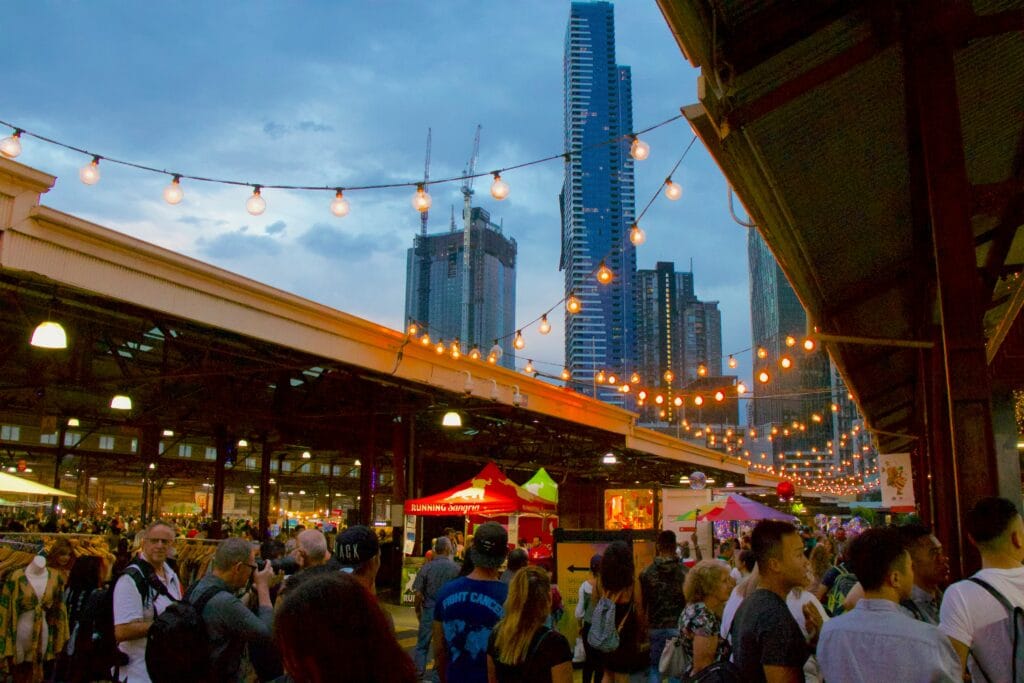
- Queen Victoria Market – operating since 1878, the market is the largest open-air market in the southern hemisphere. The market sells fresh local produce, meat, seafood, cheeses, and confectionery. The historic “Delicatessen” and meat pavilions have preserved original 19th-century architecture. Night markets are held on Wednesday evenings with live music performances and street food from around the world.
- Royal Botanic Gardens – established in 1846, the 36-hectare garden is one of the best of its kind in the southern hemisphere. The garden grows over 8,500 plant species, with special themed gardens: Aboriginal garden, rose garden, fern garden. Here you can find rare plant species, enjoy a picnic by the ornamental lake, or visit “Guilfoyle’s Volcano” – a restored water storage system with exotic plants. On summer evenings, outdoor cinema screenings are held in the garden, and special tours can teach you about Aboriginal plant use.
Cairns
A jewel of Southern Queensland, the gateway to the Great Barrier Reef.
Places to Visit:
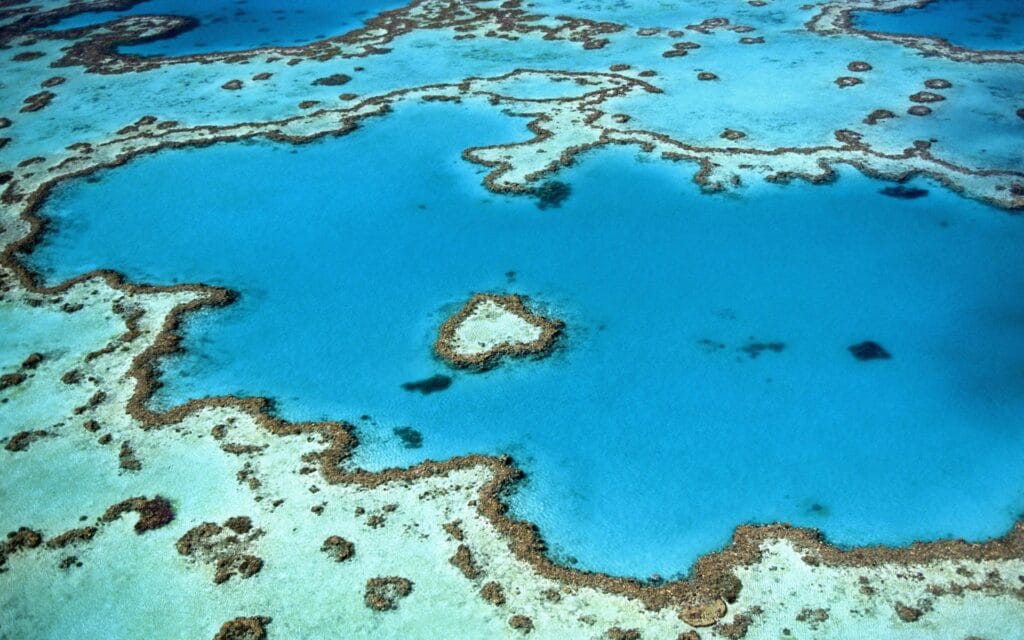
- Great Barrier Reef – the world’s largest coral reef, stretching 2,300 kilometers, is a UNESCO World Heritage Site and one of nature’s most impressive wonders. Various excursions to the reef are organized from Cairns, where you can dive, snorkel, observe more than 1,500 species of fish, 400 species of coral, sea turtles, and many other marine animals. You can choose both day trips and multi-day cruises in this underwater paradise.
- Daintree Rainforest – one of the oldest rainforests on Earth, estimated to be over 135 million years old. This forest is older than the Amazon and contains a unique collection of ancient plants that grew here even during the dinosaur era. The forest is home to rare animal species such as cassowaries and tree kangaroos. It’s the only place in the world where two UNESCO World Heritage Sites meet – the rainforest and the Great Barrier Reef.
- Kuranda – a picturesque village in the tropical rainforest, accessible by spectacular Skyrail gondola ride over the forest canopy or historic scenic railway. The village is famous for its markets where you can purchase handmade crafts, Aboriginal art, and local products. There’s also an Australian butterfly sanctuary, a bird park, and a koala garden here.
- Cape Tribulation – a place where two world heritage sites meet: the rainforest descends right to the ocean and the Great Barrier Reef. This remote and wild area offers a unique combination of mountain landscapes, pristine beaches, and tropical jungle. Here you can walk along the beach surrounded by rainforest or take guided night tours to observe nocturnal animals.
- Fitzroy Island – a tropical island just 45 minutes from Cairns by ferry. The island offers excellent opportunities for snorkeling directly from the beach, hiking trails through the rainforest, and relaxation on white sandy beaches. It’s a perfect place for a day trip or overnight stay in eco-lodges.
What Does Australia Offer for Food Lovers?
Traditional Dishes:
- Vegemite: a dark, salty spread made from brewer’s yeast extract. This iconic Australian product has a specific strong taste that locals love. Vegemite is rich in B vitamins and is usually spread thinly on buttered toast or bread. Though foreigners often find it challenging to appreciate, it’s an essential part of Australian breakfast culture.
- Meat Pies: small pies filled with minced meat and gravy, baked in crispy pastry. This is a traditional Australian fast food item, often sold at sports stadiums, bakeries, and gas stations. The pie is usually eaten with tomato sauce and is especially popular during football matches.
- Tim Tams: Australia’s most popular chocolate biscuits, consisting of two chocolate-covered biscuit layers with chocolate cream in between. Locals have a special ritual called “Tim Tam Slam” where the biscuit is used as a straw to drink hot beverages. These biscuits are an iconic part of Australian food culture.
- Pavlova: a delicate dessert named in honor of famous ballerina Anna Pavlova. It consists of a crispy exterior and soft interior, made from whipped meringue, decorated with whipped cream and fresh fruits. Seasonal fruits are most commonly used – strawberries, kiwis, passion fruits. The dessert is especially popular during Christmas and holidays.
- Barramundi: high-quality white fish that grows in both fresh and seawater. Its meat is tender yet firm, rich in omega-3 fatty acids. This fish is often served fried, grilled, or prepared as fish and chips. Barramundi is an important part of both commercial fishing and aquaculture.
- Lamingtons: square-shaped sponge cakes dipped in chocolate icing and rolled in coconut flakes. They often have a layer of jam inside. These cakes are popular at school fairs and charity events, they’re perfect with tea or coffee.
- Australian BBQ: more than just cooking food – it’s a social ritual and part of culture. At a traditional “barbie” you can find various meats: from regular beef and lamb to more exotic kangaroo or crocodile meat. Steaks are usually marinated with local spices and herbs, served with fresh salads and potatoes. BBQ is a popular weekend leisure activity with family and friends.
Itinerary Ideas
Weekend Trip:
- Day 1: Sydney – Opera House and Harbour Bridge
- Day 2: Bondi Beach and coastal trails
Two-Week Trip:
- Days 1–4: Sydney and its surroundings
- Days 5–7: Cairns and Great Barrier Reef
- Days 8–10: Uluru and Red Centre
- Days 11–14: Melbourne and Great Ocean Road
Nature and Culture
- Great Barrier Reef – this is the world’s largest coral system, stretching over 2,300 kilometers along Australia’s northeast coast. The reef consists of more than 2,900 individual reefs and 900 islands. It’s an extraordinarily rich ecosystem inhabited by thousands of different species of fish, mollusks, corals, and other marine animals. UNESCO included the reef in the World Heritage List due to its exceptional natural value.
- Uluru – also known as Ayers Rock, is a massive monolith in the center of the Northern Territory. This 348-meter high red sandstone rock has special cultural and spiritual significance to the local Anangu Aboriginal people. The rock changes color depending on the time of day and weather conditions – from bright red to purple or brown. Around Uluru you can find ancient Aboriginal paintings and sacred sites.
- Great Ocean Road – this is a 243-kilometer coastal road in Victoria state, considered one of the most beautiful in the world. The road winds along dramatic cliffs, past the famous Twelve Apostles – impressive limestone rocks rising from the ocean. A journey on this road reveals breathtaking views of the Southern Ocean, tropical vegetation, and historic sites.
- Kakadu National Park – Australia’s largest national park. It’s famous not only for its rich flora and fauna but also for thousands-of-years-old Aboriginal rock paintings. The park features saltwater wetlands, waterfall systems, and a unique ecosystem. It’s also home to many rare animal species, including saltwater crocodiles.
- Tasmania’s wilderness – stands out for its uniqueness and untouched beauty. The island is famous for ancient rainforests, mountain ranges, and wild coastlines. Here you can encounter endemic animal species such as Tasmanian devils and see rare plant species. Much of the island is protected and included in the UNESCO World Heritage List.
- Whitsundays Islands – this is an archipelago of 74 tropical islands in the Great Barrier Reef territory. The islands are famous for their white sand beaches, especially Whitehaven Beach, considered one of the most beautiful in the world. Clear water and coral reefs create ideal conditions for diving and swimming. The islands are also a popular destination for sailing and luxury holidays.
Practical Tips
- Transportation: due to large distances between cities, flying is recommended
- Sun protection: use strong sunscreen, Australia’s UV rays are extremely intense
- Wildlife: be careful in nature – some animals and reptiles can be dangerous
- Water: tap water in cities is safe to drink
- Driving: drive on the left side of the road
- Visas: required for all visitors, arrange in advance
Main Events
- Australian Open: January in Melbourne. The first Grand Slam tennis tournament of the year, held in Melbourne every January. This prestigious tournament attracts the world’s best tennis players and thousands of spectators. Melbourne Park complex with Rod Laver Arena becomes the center of the tennis world, where intense battles take place in both men’s and women’s competitions.
- Mardi Gras in Sydney: February-March. One of the largest LGBTQ+ community events in the southern hemisphere. The festival lasts three weeks in February-March and culminates in a spectacular parade on Oxford Street. The event is famous for colorful costumes, music, dancing, and has become an important event in Sydney’s cultural calendar.
- Formula 1 Grand Prix in Melbourne: March. An adrenaline-filled event at Albert Park circuit. The March races attract the world’s best racers and Formula 1 fans. It’s not just racing but also an entertainment festival with concerts and other attractions.
- Vivid Sydney: May-June. The largest light, music, and ideas festival in the southern hemisphere. In May-June, Sydney Opera House and other city buildings become giant light installation screens. The festival also offers musical performances, creative conferences, and discussions.
- Melbourne Cup: November. A prestigious horse racing event held on the first Tuesday of November. It’s not just horse racing but also an important social event showcasing elegance and fashion. This day is even declared a public holiday in Victoria state.
- New Year’s Eve fireworks in Sydney: December 31. Among the first and most impressive in the world. On the evening of December 31, millions of people gather around Sydney Harbor to watch colorful fireworks over the famous Opera House and Harbour Bridge. This event is broadcast worldwide and marks the beginning of the new year in Australia.
Australia is a country where everyone will find their place: whether it’s breathtaking nature, magnificent cities, friendly locals, or unique animals. Whether you explore remote desert corners or enjoy luxurious ocean resorts – every day in this country will become a special discovery.