 Lithuania
Lithuania: What to See, Taste and Experience
Lithuania – true heart of Baltic region, where historic medieval castles match with bustle of modern cities, and old traditions intertwine with modern life. Despite its small size, country surprises with rich history, diverse culture and friendly atmosphere, which attracts more and more travelers every year.
Basic Information About Lithuania
- Capital: Vilnius – largest city in country.
- Area: 65,300 km².
- Population: 2,886,515 (January 2024 data).
- Currency: Euro (EUR).
- Language: Lithuanian – oldest living Indo-European language.
- Time Zone: Eastern European Time (EET, GMT+2), summer – EEST (GMT+3).
- Interesting Fact: Near Purnuškės village, 26 km from Vilnius, is geographical center of Europe.
When is Best Time to Visit Lithuania?
Spring (April-May)
During this time nature awakens, and weather becomes warm (10–20 °C). Great time to explore cities and enjoy nature hikes – parks and gardens simply bloom, and cultural events calendar is full.
Summer (June-August)
Most popular season, when temperature reaches 20–25 °C. This is ideal time for seaside relaxation, festivals and other outdoor activities. Don’t forget Midsummer (June 24), “Capital Days” in Vilnius or Sea Festival in Klaipėda.
Autumn (September-October)
Autumn colors and pleasantly cool weather (10–15 °C) invite to cultural journeys, walks around cities or national parks.
Winter (November-March)
In winter Lithuania turns into fairy tale land: temperature fluctuates from -5 to +5 °C, and cities are decorated with festive markets. Vilnius and Kaunas Christmas trees are known throughout Europe. Moreover, skiing and SPA relaxation provide additional entertainment.
Places to Visit in Lithuania
Vilnius
Capital with one of largest old towns in Eastern Europe, included in UNESCO World Heritage list.
What to Visit in Vilnius?
- Gediminas Castle Tower – true symbol of Lithuanian statehood. Imagine how this Gothic-style structure, only surviving part of Upper Castle, has been watching Vilnius life since 14th century. Once wooden castle stood here, but over time it turned into brick fortress masterpiece. Today tower houses museum, where you can learn history of Vilnius as heart of Grand Duchy of Lithuania. And from observation platform wonderful Old Town view opens up
- St. Anne’s and Bernardine Churches Ensemble – dialogue of Gothic and Renaissance, which you can “read” in brick patterns. St. Anne’s Church, with its 33 forms of bricks, looks like architectural lace, and legend about Napoleon, who wanted to take it to Paris, makes this place even more charming. Nearby standing Bernardine Church – more solid, more serious, but no less impressive. This ensemble tells story about Vilnius as important religious and cultural center – like time machine, returning to 15th century
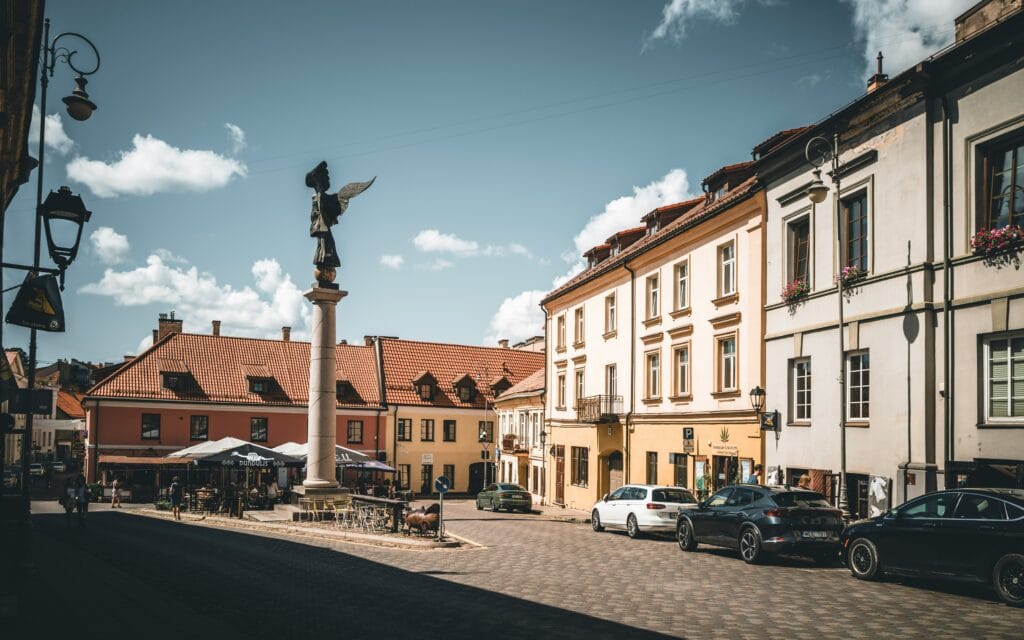
- Užupis Republic – Vilnius art and creative bohemia. In 1997 this district decided to live by its own rules, created constitution, its own flag and even has “president”. On streets you’ll find artists’ workshops, sculptures, strange graffiti, and Vilnia River here becomes almost magical. Užupis Constitution, engraved in several languages, declares that “everyone has right to be happy” and “cat has right to be cat”. Can freedom manifesto be more creative?
- MO Museum – modern art oasis, located in very heart of Vilnius. This futuristic building designed by Daniel Libeskind is impossible to miss – it attracts eye as combination of modernity and history. Inside – largest private collection representing contemporary Lithuanian art. Exhibitions, educational activities and cultural events allow to immerse in Lithuanian art world, understand its evolution and meet creators who shaped this world
- TV Tower – not only tallest building in Lithuania (326.5 m), but also true symbol of freedom. On January 13, 1991, freedom defenders died here, defending independence from Soviet aggression. Today tower operates observation platform and revolving restaurant – you can eat dessert while admiring Vilnius panorama, which changes every minute. Tragic history is witnessed by special marker, and visitors are invited to remember and honor fighters for Lithuania’s freedom.
- Literature Street – place where words turn into artworks. This is unique project, where more than 200 plaques tell about writers and poets connected with Vilnius. Each plaque – small masterpiece, revealing creative diversity, from subtle ceramics to expressive metal engravings. Street – literary manifesto, quietly reminding that Vilnius always was and remains city of word masters
Kaunas
Temporary capital famous for its interwar modernism architecture and active cultural life.
What to Visit in Kaunas?
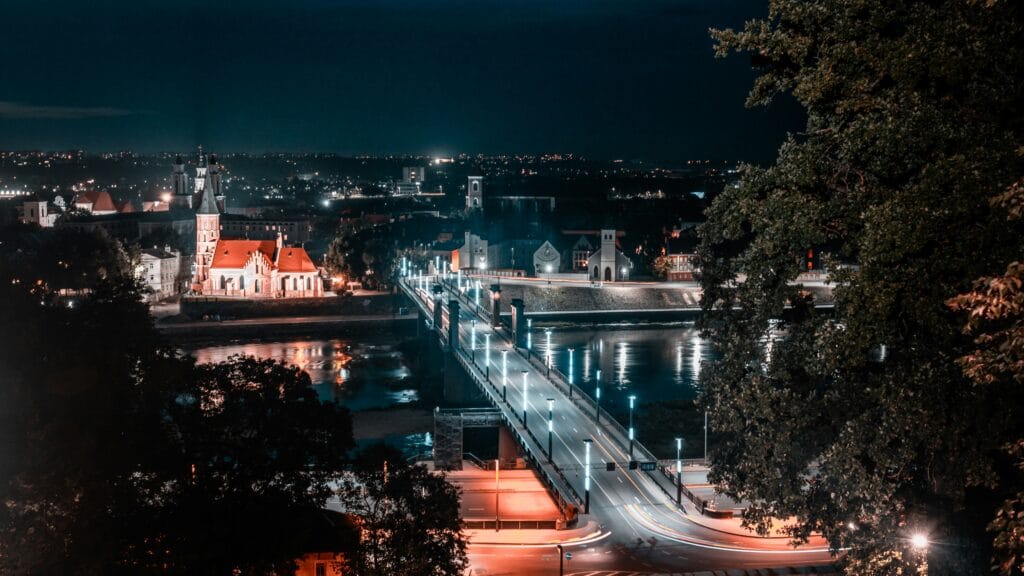
- Kaunas Castle – true medieval grandeur witness, standing where Nemunas meets Neris. This Gothic-style castle, built in 14th century, was shield against Teutonic Knights’ attacks. Once having four towers, now proudly preserved one, as reminder of ancient battles and legends. Castle houses museum inviting to get acquainted with medieval warfare, castle residents’ daily life and early Kaunas city history. Moreover, castle not only looks to past, but also became excellent space for cultural events
- Laisvės Alley – Kaunas heart, beating in interwar rhythm. This almost 2 kilometers long pedestrian street is longest in Eastern Europe, and its linden alley invites to walk and stop at cafés with outdoor terraces. Modernism architecture here – simply captivating: from “Milk Center” building to Central Post Office. This alley was and remains place where past meets present – here interwar Lithuania breathes alongside modern city bustle.
- Pažaislis Monastery – true baroque pearl box, hidden among Nemunas bend. Built in 17th century, it reveals mature baroque beauty, created by Italian masters’ hands. Frescoes, stucco moldings and impressive Church of Visitation of Blessed Virgin Mary dome – everything here simply breathes grandeur. Monastery history – colorful, from Camaldolese monks to Soviet-era archive. And today it’s not only nuns’ home, but also Pažaislis Music Festival stage, where baroque spirit merges with live music
- Čiurlionis Museum – place where art and music merge into one harmonious work. Here exhibited world’s largest collection of famous Lithuanian artist and composer’s works. His work, balancing between symbolism and modernism, charms with its mystery and spirituality. Museum halls preserve these fragile pastel on paper masterpieces, and visitors can feel Čiurlionis’ world, where painting “sounds” and music “draws”.
- Town Hall Square – Kaunas history face. Around this square city life pulsated since 15th century: markets, celebrations and most important events took place here. White Town Hall, nicknamed “White Swan”, with its dignified history and architecture is square’s gem. Nearby – Gothic, Renaissance and Baroque style buildings, whispering city’s past stories. Today square – living cultural center, where locals and city guests meet
- IX Fort – place that speaks not only about military fortifications, but also about humanity’s tragedy. Initially defensive fort, later prison, and during World War II – mass murder site, where more than 50,000 people were killed, mostly Jews. Today museum at IX Fort preserves and tells these painful stories, inviting to reflect on past lessons. Nearby standing monumental 32-meter high monument reminds that memory is stronger than time
Klaipėda and Coast
Port city, offering not only sea entertainment, but also cultural pearls.
What to Visit in Klaipėda?:
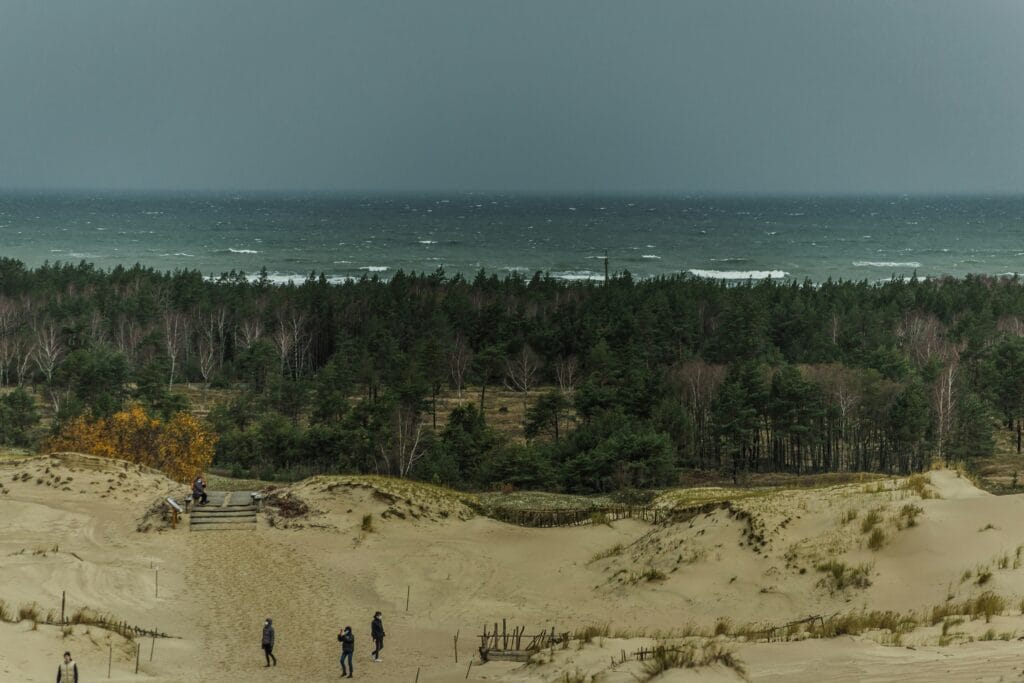
- Curonian Spit with Impressive Dunes – nature wonder, whose every sand grain has its own story. This 98-kilometer long peninsula, separating Baltic Sea from Curonian Lagoon, is not only UNESCO World Heritage site, but also unique place where nature and human handiwork intertwine. In 18th-19th centuries due to reckless forest cutting sand buried several villages, but dune stabilization started in mid-19th century allowed to preserve this unique landscape. Parnidis Dune in Nida – place where “dying” sands revive poetically. Next to them stand dense pine forests, giving spit green life background. Dunes here reach even 60 meters height – you feel like standing on edge of nature’s catharsis.
- Palanga Amber Museum and Tiškevičiai Palace – established in elegant Tiškevičiai Palace, is true amber treasure. Over 28,000 exhibits – from inclusions with prehistoric insects to contemporary art masterpieces – allow to understand why amber is called “Baltic gold”. Palace building itself, designed by German architect Franz Heinrich Schwechten, is neo-Renaissance pearl, and botanical park surrounding palace – peace oasis, created by famous French landscape architect Édouard François André. This place tells about amber history, which began 50 million years ago and continues to this day, symbolizing Baltic region’s culture and trade importance.
- Dolphin Therapy Center – place where smiles appear not only on children’s, but also adults’ faces. This is first such center in Northern Europe, where since 2001 therapy programs for children with various disorders take place. Dolphins here not only entertain, but also heal – their friendly interaction helps improve emotional and physical health. Therapy process combined with scientific research and education, so this center becomes unique science learning object
- Maritime Museum – located in historic 19th-century Kopgalis fortress walls, is place where sea secrets open to everyone. In aquariums you can see Baltic Sea and tropical water inhabitants, and in outdoor pools – Baltic gray seals. Museum introduces Lithuanian maritime culture history: from ancient ships to modern navigation technologies. This is not only place to learn, but also to feel – here touching sea history, its animals and culture.
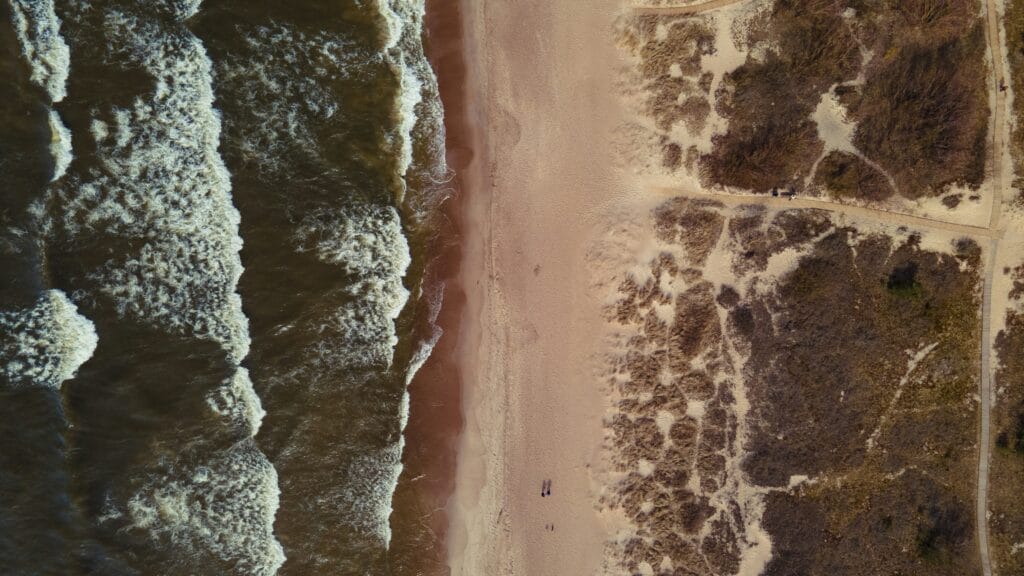
- Smiltynė Beach – true nature and tranquility sanctuary. Northern Smiltynė, easily accessible from Klaipėda, attracts more vacationers, but preserves its natural charm. Meanwhile Southern Smiltynė – peace and bird watching paradise. Rare bird species nest here, and migrating birds stop to rest, giving this place special ecological value. Wide sand, dune systems and sea roar – all this makes Smiltynė ideal place to escape from daily routine
Flavor Journey: Lithuanian Cuisine
Lithuanian cuisine is rich and hearty, ideally suitable for cold evenings and cozy dinners.
Most Popular Dishes:
- Cepelinai (didžkukuliai) – grated and boiled potato dumplings, stuffed with meat and served with cracklings sauce. This dish has become one of Lithuanian cuisine symbols and is often prepared during holidays.
- Šaltibarščiai – refreshing, bright pink cold soup dish, made from beets, kefir, cucumbers, eggs and herbs. Especially popular during hot season.
- Kibinai – pastry with meat filling originating from Karaim cuisine. Although traditionally originated from Trakai, today loved throughout Lithuania.
- Žemaičiai Pancakes – thick potato pancakes with meat filling, usually served with sour cream. This dish reflects Žemaitija region’s culinary traditions.
- Black Rye Bread – one of oldest Lithuanian food products, made from fermented rye flour dough. Distinguished by rich taste and long shelf life.
- Šakotis – impressive-looking pastry, made on rotating spit, gradually pouring batter. Often decorates holiday tables and is popular gift.
- Skilandis – traditional smoked meat product, made from pork and spices. This long-aged product has special taste and aroma.
Where to Taste?
- Traditional Lithuanian taverns;
- Contemporary Lithuanian cuisine restaurants;
- Markets, where you’ll find homemade delicacies;
- Cozy café desserts.
Routes for Travelers
Weekend Trip
- Day 1: Vilnius Old Town and Užupis;
- Day 2: Trakai Castle and historic national park.
Week-long Trip
- Days 1–2: Vilnius.
- Days 3–4: Kaunas and Pažaislis.
- Days 5–6: Klaipėda and Curonian Spit.
- Day 7: Palanga.
Useful Tips
- Most Lithuanians speak English.
- Everywhere you can pay by card.
- In public places you’ll often find free WiFi.
- Tap water is safe to drink.
- Major cities have modern public transport.
- “Trafi” app will help plan trips by public transport.
- Car and bicycle sharing services are convenient.
Main Lithuanian Events and Festivals
Traditional Celebrations and Festivals
- Kaziukas Fair: early March. This is not just fair, but whole traditional crafts and folk art show. Seems like whole Vilnius turns into one huge street gallery – from pussy willows to delicacies.
- Užgavėnės: February/March – winter farewell with masks, pancakes and dances, while Morė burns – warmth is already on way!
- Midsummer/Rasos: June 23-24 – most magical night of year – fern flower searches, bonfires and dances until dawn.
Music Festivals
- Midsummer Vilnius: July, classical music and jazz in very heart of capital – sounds that enchant summer evenings.
- Granatos Live: August, biggest summer music festival, where best performers and energetic audience meet.
- Pažaislis Music Festival: June-August, in wonderful monastery surroundings classical music sounds merge with nature.
Film Festivals
- Kino Pavasaris: March/April – cinema celebration, comparable only to your dreams about red carpet.
- Scanorama: November – European cinema forum
City Celebrations
- Capital Days: early September – Vilnius invites to celebrate with concerts, exhibitions and good mood.
- Sea Festival: late July – Klaipėda becomes summer capital, full of music, sea spirit and entertainment.
- Hansa Days: May/June – Kaunas takes to Middle Ages with armored knights and fairs.
Contemporary Art Events
- Vilnius Light Festival: January – in winter capital’s streets become magical light installations – true visual fairy tale.
- Kaunas Biennial: contemporary art that makes you stop and think how you see world.
Sports Events
- Vilnius Marathon: September – biggest running event in Baltic countries
- Švyturys Arena Cup: various times – international basketball tournament
Gastronomy Events
- Vilnius Gastro: various times – gastronomy festival
- Fish Road: May – fish and seafood festival on coast
Lithuania is country where everyone finds something of their own: from historic places and traditional cuisine to contemporary culture and nature wonders. Whether you’re looking for peaceful relaxation or adventures – Lithuania will undoubtedly surprise you!