 Lativa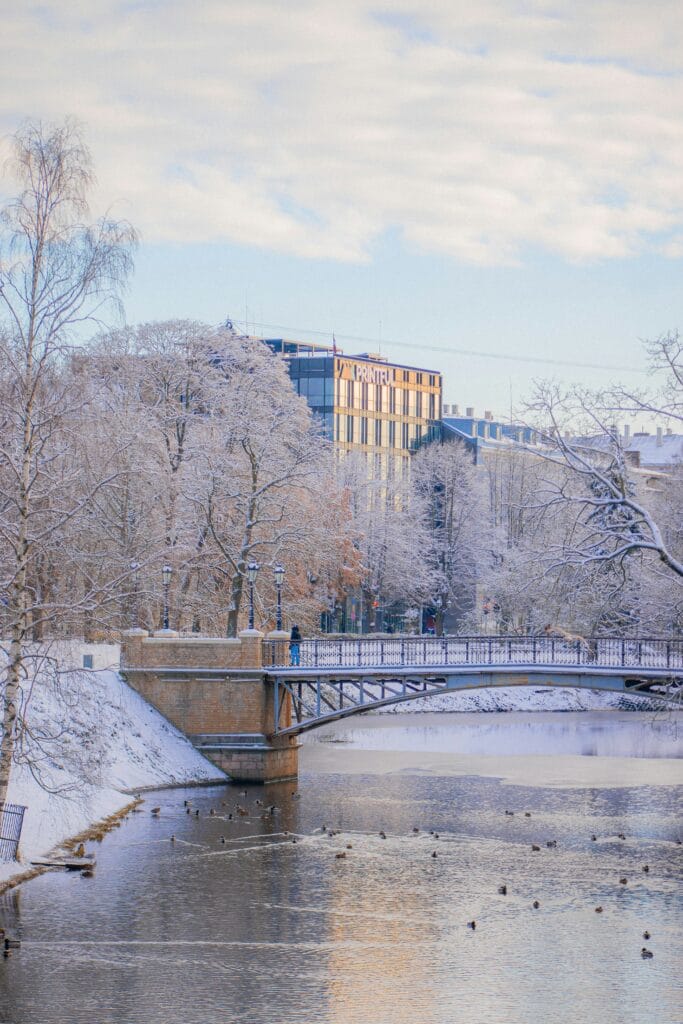
Latvia: The Heart of the Baltics, Where History and Natural Beauty Intertwine
Latvia is a country where contrasts become its charm. Modern Riga with its Art Nouveau masterpieces harmonizes with green forests and tranquil lakes, while medieval castles stand alongside contemporary galleries. Latvia invites you to explore its rich heritage, admire natural wonders, and enjoy genuine hospitality.
Basic Information About Latvia
- Capital: Riga
- Area: 64,589 km²
- Population: ~1.9 million (2024)
- Currency: Euro (EUR)
- Language: Latvian
- Time Zone: Eastern European Time (EET, GMT+2), summer – EEST (GMT+3)
When is the Best Time to Travel to Latvia?
Spring (March-May)
Nature awakens, and temperatures rise to 5–15 °C. This is a great time to explore cities and enjoy nature’s tranquility. Fewer tourists mean lower prices.
Summer (June-August)
Warm days (18–23 °C) and long nights make summer the ideal time for beach relaxation, festival participation, and celebrating Līgo (Midsummer).
Autumn (September-November)
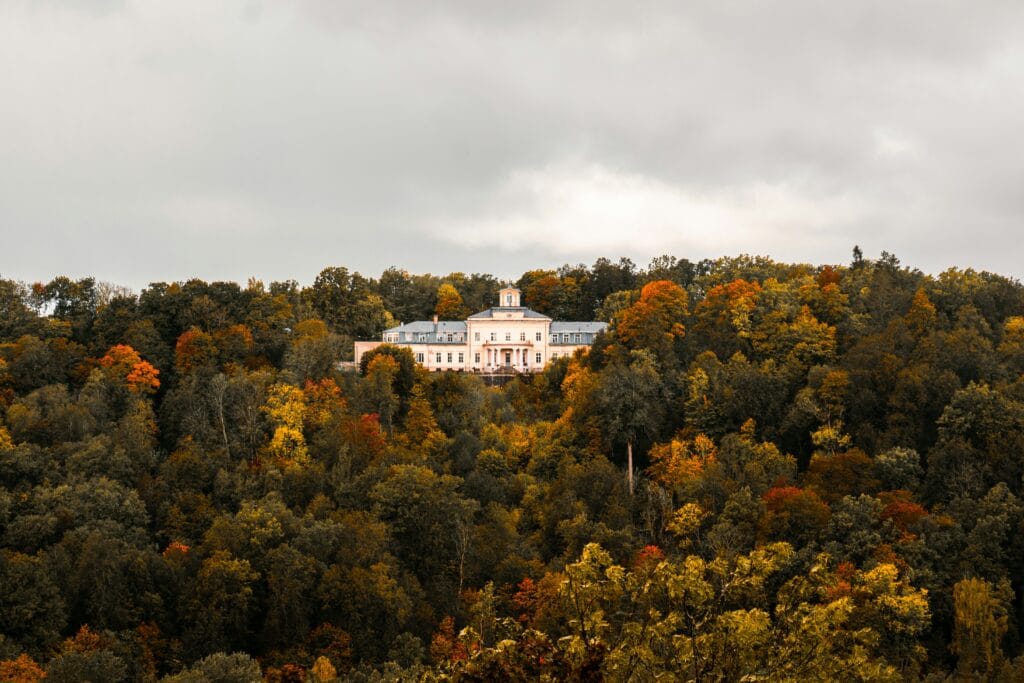
Latvia’s nature becomes a painting in autumn: golden forests and peaceful landscapes invite travel. Temperatures cool to 5–15 °C, and autumn colors create a special atmosphere.
Winter (December-February)
Though cold (-5 to +2 °C), Latvia’s winter charms with Christmas markets in Riga and opportunities to try winter sports.
Main Cities and Regions
Riga
Latvia’s capital and largest city, famous for its UNESCO-listed Old Town and world-class Art Nouveau architecture collection.
Places to Visit:
- Old Town with the House of Blackheads – A UNESCO World Heritage Site, with the House of Blackheads as its centerpiece – one of the most impressive buildings in the city. This building, constructed in 1344 and rebuilt after World War II, was the headquarters of the guild of unmarried merchants. Its facade stands out with ornate Dutch Renaissance style elements and sculptures. The Old Town is also famous for its narrow cobblestone streets and medieval architecture.
- Art Nouveau District – the largest Art Nouveau architecture complex in the world. Particularly impressive buildings are on Alberta Street, where you can see the works of famous architect Mikhail Eisenstein. Building facades are adorned with mythological creatures, geometric patterns, and floral motifs.
- St. Peter’s Church – Riga’s tallest church with a 123-meter tower. Its history dates back to 1209. The observation deck in the tower provides a panoramic view of the city. Concerts and art exhibitions are regularly held in the church.
- Central Market (Centraltirgus) – one of the largest and oldest markets in Europe. Located in former zeppelin hangars, it stands out for its Art Deco architecture. You can find everything here – from fresh local products to traditional Latvian delicacies.
- Freedom Monument – a symbol of Latvia’s independence, built in 1935. The 42-meter monument depicts Liberty holding three stars, symbolizing the historical regions of Latvia. It survived the Soviet era as a symbol of national freedom.
- Latvian National Museum – one of the oldest museums in Europe, founded in 1869. It houses the largest collection of Latvian culture and history exhibits, covering the period from the Stone Age to the present day. The museum’s archaeological finds and folk art collection are particularly valuable.
Jūrmala
A seaside resort with unique wooden architecture and white sand beaches.
Don’t Miss:
- 32 km long beach – Jūrmala stands out with its 32-kilometer length and fine white sand. The beach is famous for its width and gently sloping entry into the sea, making it especially attractive to families with children. Different beach zones have their own character – from quiet areas surrounded by pine forests to vibrant zones with water sports opportunities.
- Jomas Street – Jūrmala’s main pedestrian street and the heart of the city. It’s full of cafes, restaurants, souvenir shops, and impressive wooden villas from the resort’s golden age. In summer, the street becomes a lively cultural space with street musicians and art fairs.
- Dzintari Concert Hall – a unique architectural ensemble consisting of an enclosed winter hall and an open-air summer concert space. Since 1936, prestigious classical music concerts, jazz festivals, and other cultural events have been held here. The hall is famous for its excellent acoustics and is surrounded by a green park.
- Kemeri National Park – a nature treasure with vast bogs, mineralized springs, and mud baths. Wooden pathways are built through the bogs, allowing visitors to safely explore the unique ecosystem. Here you can see rare birds and plants and try therapeutic mud baths, which have long made Jūrmala famous as a resort town.
Sigulda
Called “Latvian Switzerland“, this place attracts with stunning landscapes and medieval castles.
Places to Visit:
- Turaida Castle – not just another castle, but a true medieval “star,” also called the “Garden of God.” This 13th-century brick structure stands on a high bank of the Gauja River and recalls times when it belonged to the Archbishopric of Riga. Today, it houses a museum where you can immerse yourself in 800 years of history. And if you like legends, be sure to learn about the Rose of Turaida – a tragic but emotional love story worthy of medieval cinema.
- Sigulda Castle – it’s like two in one: the old Livonian Order castle and the new Sigulda Castle. The Livonian castle, built in 1207, was a serious defensive structure. Though only ruins remain now, their Gothic spirit still lingers in the air. The new castle – a 19th-century Neo-Gothic representative – today functions as a cultural center where arts and traditions live.
- Gutmanis Cave – a true Baltic giant among caves. This cave, formed 10,000 years ago (yes, it’s older than all our histories!), hides many secrets. Its walls are like an ancient “wall book” with inscriptions dating back to the 17th century. And if you love romance, remember that this is where the tragic love drama of the Rose of Turaida unfolded – a story that simply cannot fail to impress.
- Bobsleigh and Luge Track – an adrenaline dose! Opened in 1986, this 1420-meter track with 16 turns is not only a training ground for professionals but also fun entertainment for the bravest tourists. Both winter and summer, you’ll find activities here that will definitely get your pulse racing.
- Gauja National Park – Latvia’s natural masterpiece, founded in 1973. It’s the country’s largest and oldest park, adorned with dramatic sandstone cliffs along the Gauja River, forest scents, and more than 500 cultural monuments. Castles, churches, archaeological sites – everything in one place! By the way, the park not only delights the eyes but also protects rare species, making it a true paradise for nature lovers.
Latvian Cuisine
Latvia’s cuisine is simple but full of flavors, inspired by nature and traditions.
Traditional Dishes:
- Rupjmaize – more than just bread – it’s a symbol of Latvian culture and traditions. This dark rye bread is made from sourdough, has a dense texture and rich taste. It’s not only eaten daily but also given as a precious gift, especially to foreigners.
- Pelēkie zirņi – a traditional Latvian Christmas dish, though enjoyed year-round. Gray peas are boiled and served with bacon and sour cream. This dish symbolizes prosperity and success; traditionally, it’s believed that eating it during Christmas will bring enough money in the following year.
- Skābeņu zupa – sorrel soup, especially popular in spring when fresh sorrel sprouts. In addition to sorrel, the soup contains carrots, potatoes, and eggs. It’s served with sour cream, which balances the sourness of the sorrel.
- Jāņu siers – a special cheese made for Midsummer (Jāņi festival). It’s a hard, yellow cheese with caraway seeds, made from cottage cheese and milk. Its round shape symbolizes the sun, and caraway gives it a distinctive aroma.
- Rasols – Latvian version of potato salad, an essential element of holiday tables. In addition to potatoes, it contains carrots, peas, apples, pickled cucumbers, and sausage, all mixed with mayonnaise. Each family has its own recipe with different ingredients.
- Alexander torte – an elegant layered cake created in Riga in the 19th century. It’s made from layers of crispy pastry with cranberry or raspberry jam. The top is decorated with white icing patterns.
- Rupjmaizes kārtojums – a more modern dessert where traditional black bread is used in an unexpected way. The bread is crumbled, toasted with sugar and butter, then layered with whipped cream and berries. This dessert perfectly demonstrates how traditional ingredients can be used in a contemporary way.
Travel Itinerary Ideas
Weekend Trip:
- Day 1: Riga – Old Town and Art Nouveau district
- Day 2: Sigulda and Turaida Castle
Week-long Trip:
- Days 1–2: Riga
- Day 3: Jūrmala
- Day 4: Sigulda and Gauja National Park
- Day 5: Rundale Palace
- Days 6–7: Kurzeme region discoveries
Latvia’s Nature
- Gauja National Park – the largest in Latvia, famous for its sandstone rock formations and medieval castles. The heart of the park is the Gauja River valley with red sandstone outcrops and caves. Here you can visit impressive Turaida, Sigulda, and Krimulda castles. Cycling and hiking trails are established in the park, and ski slopes operate in winter. The cable car over the Gauja River valley in Sigulda is especially popular.
- Kemeri National Park – distinguished by its vast bogs and healing sulfur springs. The park’s symbol is the 3.4 km wooden boardwalk trail “Great Kemeri Bog Boardwalk,” winding through a raised bog. Rehabilitation centers operate here, offering treatment with mineral water and mud baths. In the park, you can observe rare birds and plants characteristic only of bog ecosystems.
- Slitere National Park – protects a unique Baltic coastal landscape. Here you can see old pines, the Blue Mountains (ancient Baltic Sea coast), and authentic fishing villages. The park is rich in rare orchid species and birds. The impressive Slitere lighthouse provides a panoramic view of the surroundings.
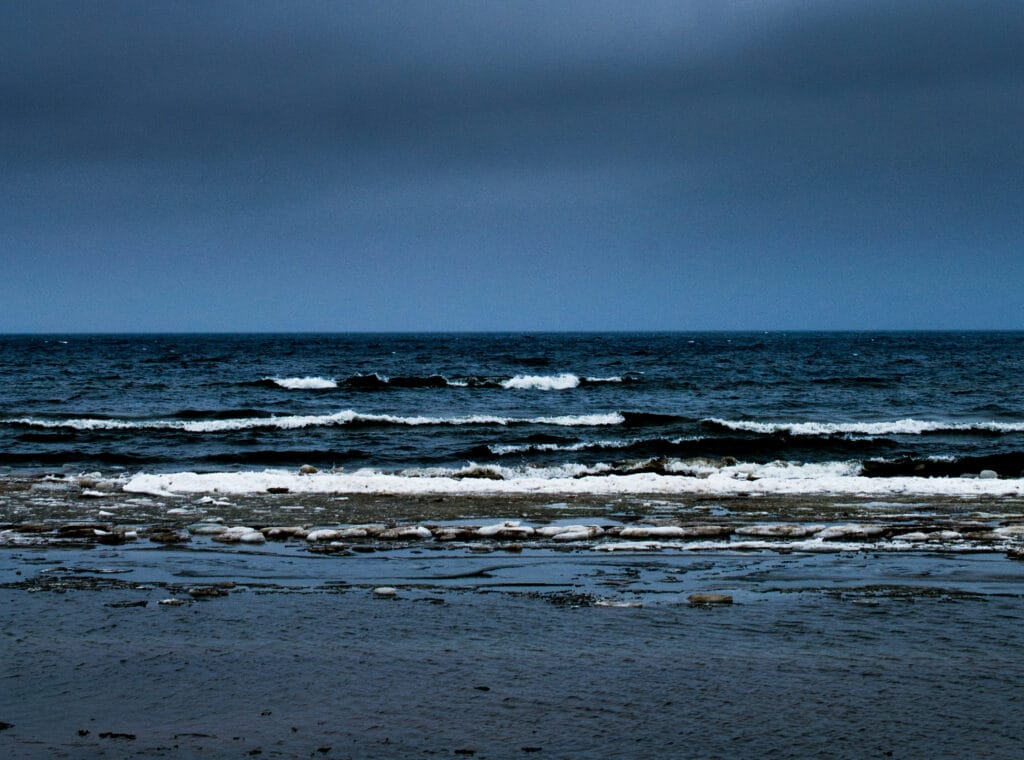
- Cape Kolka – a unique place where two bodies of water meet – the Baltic Sea and the Gulf of Riga. This narrow peninsula is famous for its dramatic sunrises and sunsets. Here you can observe bird migration, visit the old lighthouse, and explore the heritage of the Livs (Finno-Ugric people).
- Ventas Rumba – though not tall (only about 2 meters), it’s the widest natural waterfall in Europe – its width reaches 249 meters. In spring and autumn, you can observe a unique sight here – fish jumping against the current. A mill museum and recreation area are set up near the waterfall. The waterfall is especially impressive during spring floods.
Practical Tips
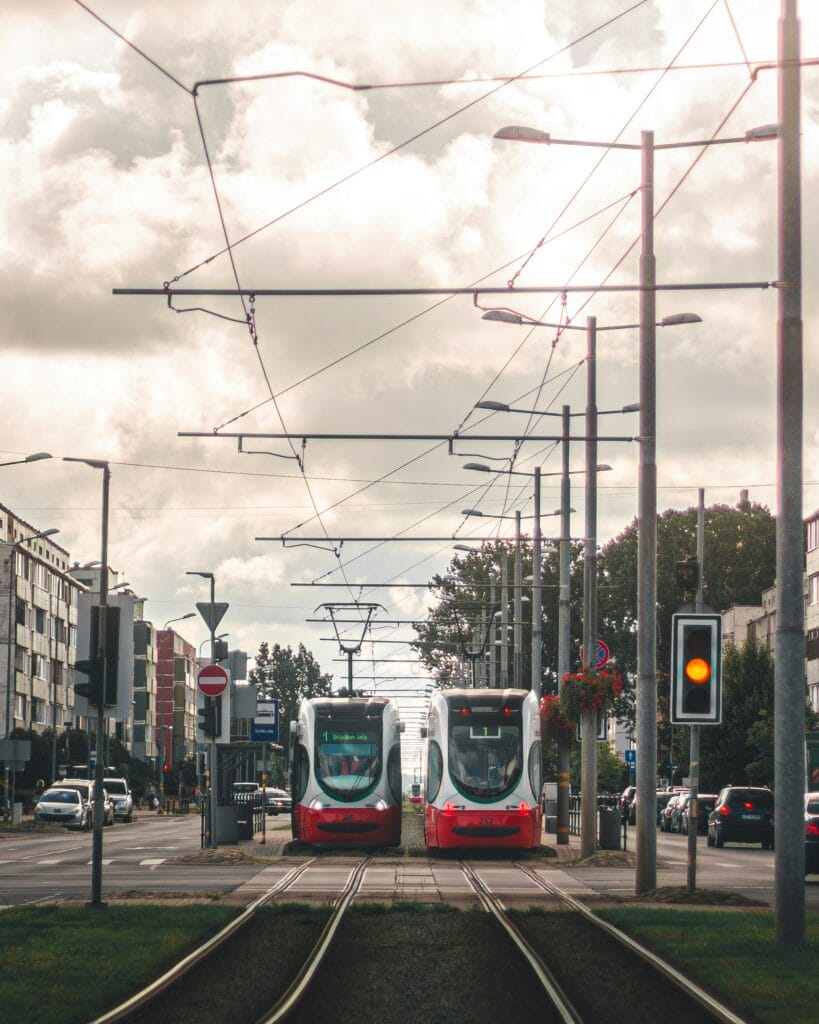
- Public transport: convenient and runs frequently. In Riga, use the “e-Talons” card
- Language: most young people speak English
- Payment: cards are accepted everywhere, but it’s useful to have cash
- WiFi: widely available in cafes and public places
- Water: safe to drink from the tap
- Transportation: Riga has a bicycle sharing system
Main Events in Latvia
- Līgo (Midsummer): the biggest and most significant Latvian festival. On June 23-24, the entire country immerses in a festive mood. Traditionally, oak wreaths are woven, which men wear on their heads, while women adorn themselves with flower wreaths. People sing traditional “līgo” songs, dance around the Midsummer bonfire, and search for the fern flower. Important elements of the celebration are special Midsummer cheese with caraway and beer. Many Latvians celebrate in nature, where they spend the entire night.
- Riga City Festival: in August is one of the largest summer festivals in the capital. Concerts, street performances, art installations, and food fairs take place throughout the city. Various water activities are organized on the Daugava River, and impressive fireworks are held in the evenings. The festival attracts not only local residents but also many tourists.
- Latvia’s Independence Day: celebrated solemnly on November 18. A military parade takes place in Riga, flowers are laid at the Freedom Monument, and ceremonial concerts are organized. In the evening, there’s a traditional torchlight procession and the president’s address to the nation. Buildings throughout the city are illuminated with national colors – red-white-red.
- Staro Rīga: a modern light festival held in November. Various Riga buildings, bridges, and squares become part of light installations and projections. Artists from around the world create impressive light artworks that transform the city into a magical space. The festival is especially popular during dark autumn evenings.
- Christmas Markets: in December give Riga special charm. Traditional markets are set up in Cathedral Square and elsewhere in the city, where you can purchase handicrafts, traditional Latvian dishes, and drinks. A huge Christmas tree is decorated in the city center (by the way, the first publicly decorated Christmas tree in Europe was in Riga in 1510). At the markets, you can taste traditional hot drinks, gingerbread cookies, and other festive treats.
Latvia is small but rich in treasures of history, culture, and nature. It’s a country where you can immerse yourself in medieval romance, enjoy a modern city atmosphere, or simply relax on the beach. Latvia awaits all who seek new discoveries and experiences.