 Armenia
Armenia: A Caucasus Mountain Country Where History Intertwines with Modernity
Armenia – a true cocktail of history and modernity, located in the South Caucasus region. Here, where time seems to stand still, the oldest Christian churches quietly observe as modern IT centers spring up around their sacred stones. And what about the aromas – when traditional culinary masterpieces compete with the latte aroma of hipster cafes, your nose simply can’t remain indifferent! In this country, every stone could lay out a millennium of history for you, and the mountains…
A Few Facts So You Don’t Get Lost in Armenia
- Capital: Yerevan (one of the oldest continuously inhabited cities in the world)
- Area: 29,743 km²
- Population: About 3 million (2024)
- Currency: Dram (AMD)
- Language: Armenian (unique alphabet, created in 405 AD)
- Religion: Christianity (Armenian Apostolic Church)
When Is It Worth Packing Your Bags and Traveling to Armenia?
Spring (March-May)
The temperature is pleasant, ranging between 10–20°C, and the alpine meadows simply explode with flower colors. There aren’t many tourists yet, so you can peacefully enjoy both the tranquility of monasteries and the grandeur of historical sites, without traffic jams and constantly clicking cameras. True, if you decide to climb the mountains, be prepared – snow there may still be smiling at you from above.
Summer (June-August)
Hot and dry. Yerevan pampers with tropical 25–35°C, so an umbrella from the sun will become your best friend here. And if the heat gets too hot, head to the highlands – there’s coolness and freshness like in a spa center commercial. It’s also the time when mountain trails call hikers, and festivals delight music and culture lovers. Bonus? Grape and apricot season! Tasting them, you’ll feel the true taste of Armenia.
Autumn (September-November)
The weather is perfectly balanced – from 15 to 25°C, so neither too hot nor too cold. The mountains dress up in golden colors, as if nature is preparing for a festive party. And the grape harvest time here – is not just work, but also a celebration! It’s a great time to enjoy wine tastings, while also immersing yourself in cultural events that simply flourish during this time of year. Wine, views, and good mood – autumn Armenia’s trio that you simply must try!
Winter (December-February)
The cold (-5 to +5°C) tickles your nose, and the mountains delight snow lovers. If you like skiing, Tsaghkadzor resort becomes your winter dream – the slopes are prepared, and the weather is ideally fresh. Meanwhile, Yerevan takes on festive charm: streets twinkle with decorations, and ice rinks invite you to test your balance on ice. It’s a time when the cold doesn’t scare, but invites you to adventures – from winter sports to cozy evenings with hot wine in hand.
Armenian Cities
Yerevan
The “Pink City” – so called because of the pink tuff stones from which buildings are constructed. It’s a city of contrasts, where Soviet-era architecture intertwines with modern buildings, and old markets bargain alongside stylish cafes.
- Republic Square – the square was designed by architect Alexander Tamanyan in the early 20th century and is an excellent example of Soviet neoclassicism. Buildings made of pink tuff create a harmonious ensemble, housing the most important state buildings – Government House, National History Museum, hotels, and business centers. The fountain show is synchronized with classical and contemporary music, and LED lighting creates impressive color combinations. The square is also the main venue for state holidays and events.
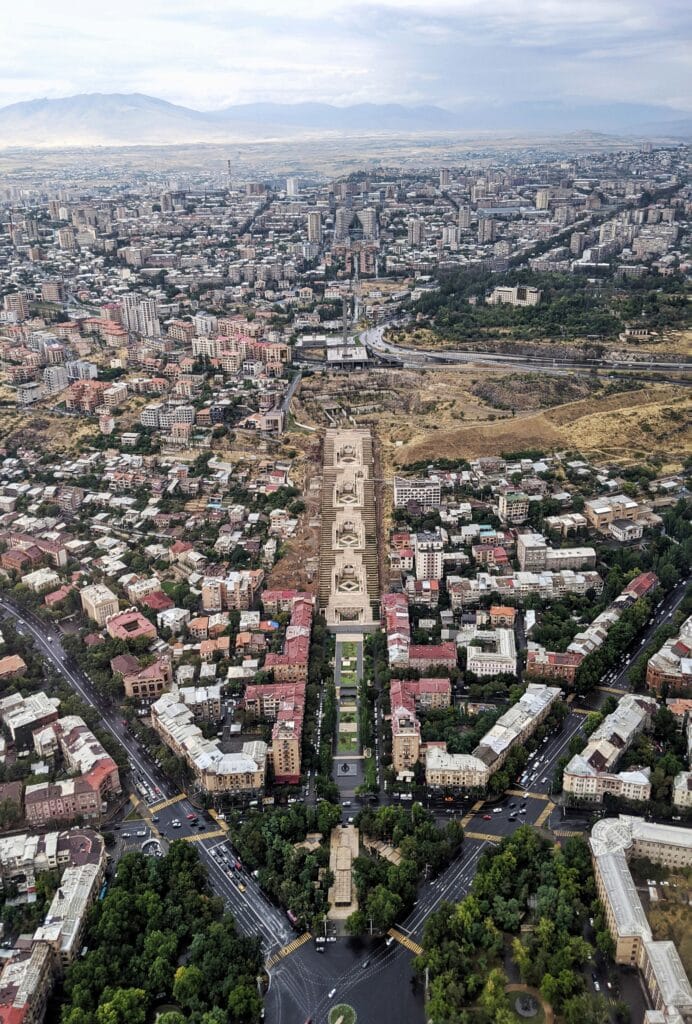
- Cascade – this monumental project was started in 1971 and completed in 2009. Inside the complex operates the Cafesjian Center for Contemporary Art, which exhibits a million-dollar art collection. Besides the mentioned Botero and Chadwick sculptures, you can see works by Barry Flanagan, Jaume Plensa, and other famous artists. Each terrace has a unique design with gardens, fountains, and rest areas. Escalators operate inside the Cascade for those who don’t want to climb stairs.
- Matenadaran – the institution is officially called the Mesrop Mashtots Institute of Ancient Manuscripts. It houses over 17,000 manuscripts and 30,000 other documents. Here you can see not only Armenian, but also Arabic, Persian, Syriac, Greek, Japanese, and other cultural manuscripts. The building stands out with its monumental architecture and a statue of Mesrop Mashtots, creator of Armenian script, in front of the entrance.
- Vernissage – the market began as an artists’ gathering place during Soviet times and grew into a huge open-air trading center. Besides traditional souvenirs, you can find Soviet relics, old books, coins, and medal collections. Particularly valued are traditional Armenian carpets, which are handmade using natural dyes and wool. On weekends, live music performances also take place here.
- Tsitsernakaberd – the memorial was opened in 1967 and consists of a 44-meter obelisk, symbolizing the rebirth of the Armenian nation, and 12 concrete slabs forming a circle around the eternal flame. The museum houses authentic documents, photographs, and other artifacts witnessing the events of 1915. Every year on April 24, hundreds of thousands of people gather here to honor the memory of the victims.
- Geghard Monastery – the monastery’s name comes from the spear (geghard) that, according to legend, wounded Christ. The complex enchants not only with its architecture but also with its surroundings – it’s located in the Azat River valley, surrounded by steep cliffs. Some chapels and cells are carved directly into the rock, and the acoustics are so special that choral music concerts often take place here.
- Ararat Brandy Factory – founded in 1887, the factory became famous worldwide for its high-quality brandy. Winston Churchill drank a bottle of Ararat brandy daily, which Stalin specially sent him. Brandies aged in the cellars reach up to 70 years old. During tours, visitors can see historic barrels, learn about the traditional production process, and taste brandies of different ages.
- NPAK Contemporary Art Center – the center is located in a former Soviet cinema and has become an important contemporary art center in the region. Besides exhibitions, performances, discussions, film screenings, and educational programs take place here. NPAK actively collaborates with international curators and artists, organizes residency programs, and supports young Armenian artists.
Gyumri
The second largest city in Armenia, famous for its craftsmen and preserved 19th-century architecture.
- Sev Berd (Black Fortress) – this impressive basalt fortress was built in 1834-1847, after the Russo-Persian War, to strengthen the southern borders of the Russian Empire. The cylindrical fortress is an excellent example of 19th-century military architecture. Its walls reach 10-12 meters in height, and inside were equipped barracks, weapon warehouses, and water reservoirs. The fortress played an important role in defending the city during various conflicts. Today there’s a Russian military museum, exhibiting a weapons collection, uniforms, and documents. From the fortress opens a panoramic view of the city. Interesting fact – local black basalt was used for the fortress construction, which is why it got the name “Black Fortress”.
- Craftsmen’s Quarter – this authentic quarter is one of the oldest preserved historical districts in Yerevan. Here you can find traditional craft workshops, where masters work as their ancestors did centuries ago. In the quarter operate:
- Goldsmith workshops, where traditional Armenian jewelry with garnets and other precious stones is made
- Carpet weavers’ houses, where hand-knotted carpets are woven using traditional patterns and natural dyes
- Pottery workshops, famous for unique Armenian ceramic style
- Wood carving studios, where traditional crosses (khachkars) and other wooden products are created Visitors can not only watch masters at work but also participate in educational programs and purchase authentic products directly from the makers.
- Vartanants Square –the square is named in honor of the 5th-century Armenian commander Vardan Mamikonian, who led Armenian resistance against Sassanid Persia. In the square’s center stands the monumental St. Savior’s Church (Surb Amenaprkič), built in 1999-2007. It’s one of the largest churches in Armenia, whose architecture combines traditional Armenian church style with modern elements. The church interior is decorated with frescoes and mosaics, created by the country’s best artists.
- Jvari Church – one of the oldest surviving churches in Gyumri, built in 1860-1873. The church stands out with:
- Unique Armenian-Georgian architectural style
- Original fresco fragments
- Impressive bell tower
- Old cemetery with historical tombstones
- Regularly held traditional ceremonies
- Gyumri History Museum – located in a historic building constructed in 1872, the museum houses over 34,000 exhibits. The exhibitions present:
- City’s archaeological findings from the Bronze Age
- 19th-century city life and trade history
- Traditional crafts and their development
- 1988 earthquake history and city reconstruction
- Legacy of local artists and writers
- Abovyan Street – one of the oldest and most beautiful streets in Gyumri, preserving 19th-century architectural heritage. Here are impressive black basalt and red brick buildings with ornate facades and balconies. On the street you can see:
- Former wealthy merchants’ houses with original ornaments and decorations
- Traditional Armenian “tuff” stone buildings
- Historic shops and trading places, now turned into art galleries
- Authentic cafes located in historic buildings
Vanadzor
The third largest city in Armenia, located in the north of the country, in the Lori region, surrounded by the impressive Pambak and Bazum mountain ranges. The city is situated 1350 meters above sea level and is famous for its mineral water and industrial history.
- Vanadzor Fine Arts Museum – one of the best regional art museums.
- Botanical Garden – an oasis of peace with local plant species.
- Lori Fortress – medieval fortress ruins with an impressive view of the valley.
- Pambak Valley – an impressive natural area, perfectly suitable for hiking and photography.
- Mineral Springs – in the city’s surroundings there are several mineral springs, whose water is used for therapeutic purposes.
- St. Gregory of Narek Church – a church built in the late 19th century, distinguished by traditional Armenian church architecture.
- Mountain Trails – around the city is laid a network of hiking trails, ideal for hikes and nature observation.
What Armenia Offers Gourmands: A Symphony of Flavors with a Touch of History
- Lavash – traditional thin bread, inscribed on UNESCO’s intangible heritage list. Baked in special clay ovens – tonirs. Traditionally, women bake lavash together, it becomes a form of social interaction.
- Tolma (Dolma) – rice wrapped in grape leaves with ground meat and spices. The vegetarian version is called “Pasus Tolma”. Each family has its own recipe, passed down from generation to generation.
- Khachapuri – a cheese-filled pie, although originating from Georgia, has become popular in Armenia too. Armenian versions are often spicier.
- Khorovats – Armenian shashlik, marinated with onions, herbs, and spices. Traditionally made from lamb or beef, grilled over an open fire.
- Ghapama – sweetly stuffed pumpkin with rice, dried fruits, and nuts. This dish is traditionally prepared in autumn and winter.
- Spas – yogurt soup with bulgur and herbs, served both cold and hot. A great summer dish that helps refresh on a hot day.
- Basturma – dried beef with a coating of strong spices. A traditional snack, often served with lavash and cheese.
- Gata – traditional sweet pastry with nut filling. Each region has its own version of gata, differing in both form and filling.
- Armenian Brandy – a world-famous drink, made using traditional technologies. Aged in oak barrels, it acquires a unique taste.
- Armenian Wine – one of the oldest in the world, archaeologists found evidence of 6000-year-old wine production in the Areni region.
Armenian Nature:
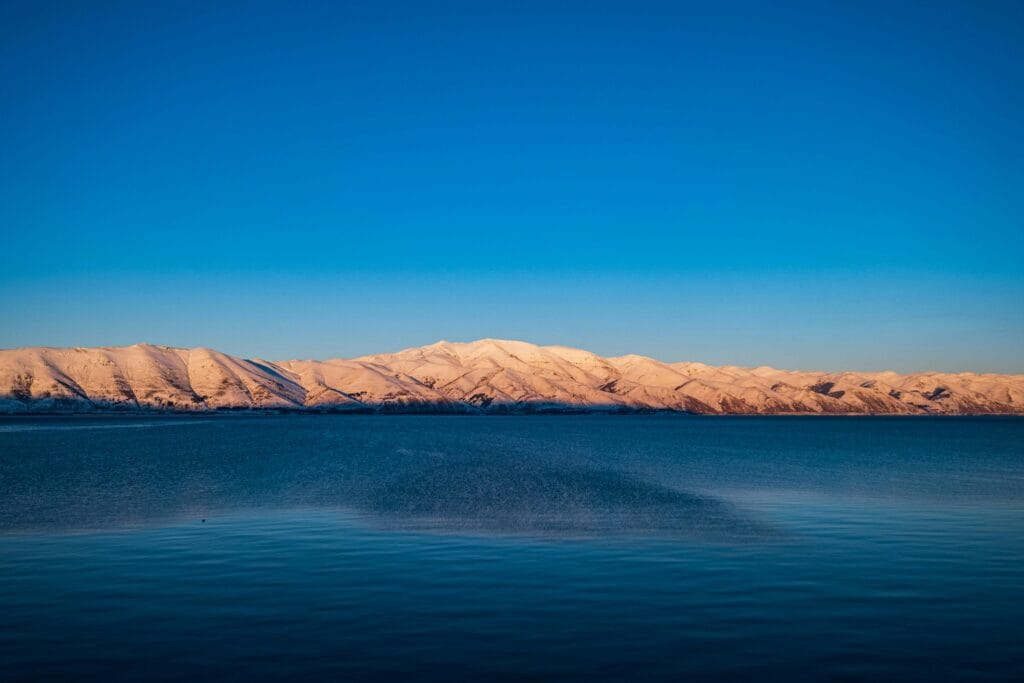
- Lake Sevan – the largest lake in the Caucasus, sometimes called the “Armenian Sea”. The lake at 1900 m above sea level offers beaches in summer and skiing in winter. Sevan Monastery on the peninsula – one of the most photographed objects.
- Tatev Monastery and Cable Car – an impressive 9th-13th century complex, accessible by the world’s longest reversible cable car “Wings of Tatev”. The cable car journey takes 12 minutes, and the views are unforgettable.
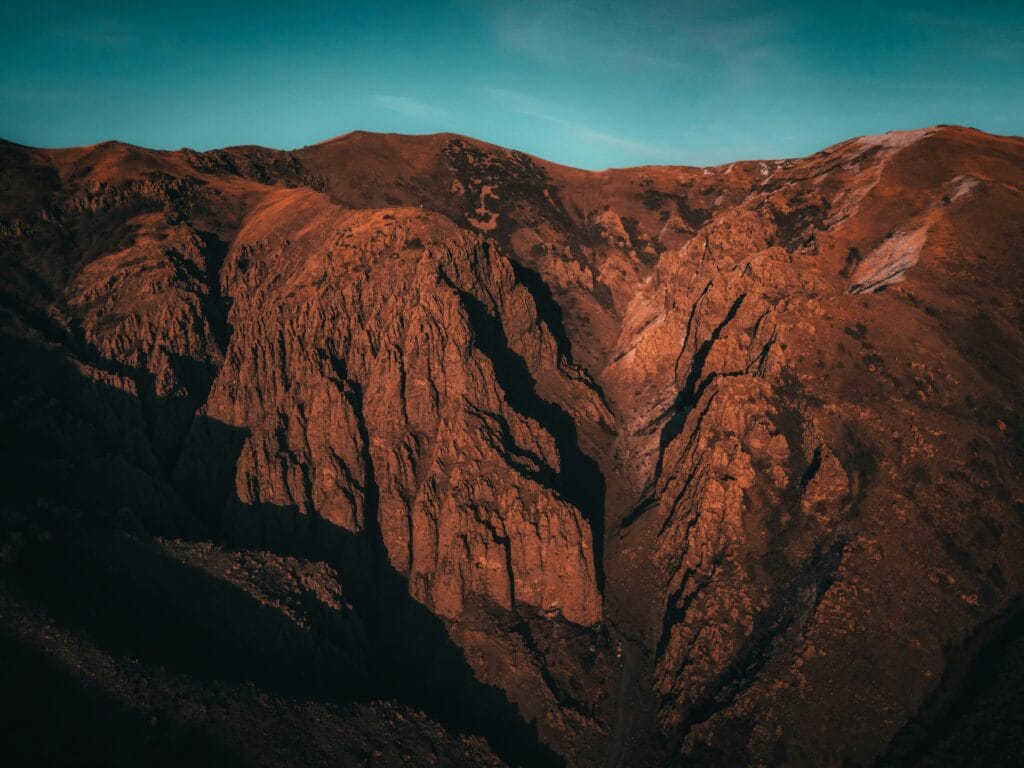
- Noravank – a 13th-century monastery surrounded by red cliffs. Famous for the unique two-story St. Astvatsatsin Church and sunset views.
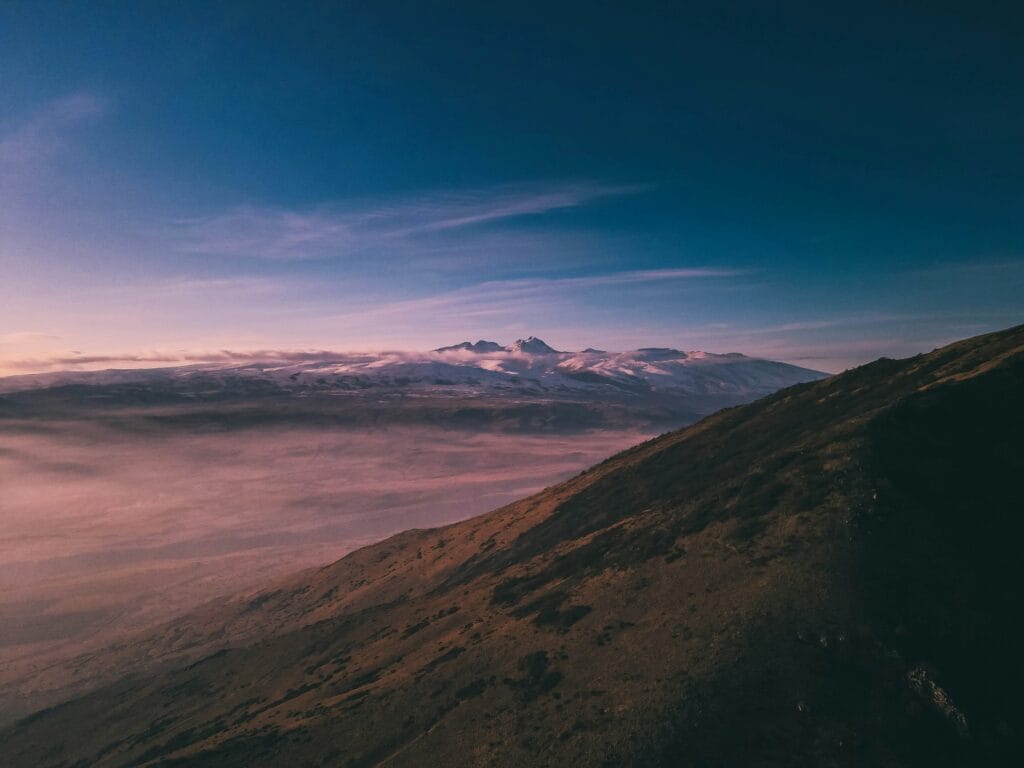
- Mount Aragats – the highest mountain in Armenia (4090 m) with four peaks. Popular among climbers and hikers in summer, skiers in winter.
- Dilijan National Park – “Armenian Switzerland” with mountain lakes, medieval monasteries, and hiking trails. Gorsevank and Haghartsin monasteries are nestled in forests.
- Garni Gorge – “Symphony of Stones” – basalt column formations resembling organ pipes. Nearby – the pagan Garni Temple.
- Lastiver Cave Complex – a medieval cave settlement, accessible only on foot through a scenic gorge.
- Jermuk – a hot springs resort with a waterfall and mineral water, famous for its healing properties.
- Azat Gorge – a dramatic canyon with Geghard Monastery and ancient cells carved in caves.
Travel Itinerary Ideas in Armenia
Weekend Trip (3 days in Yerevan and surroundings):
- Day 1: Yerevan
- Morning: Republic Square, musical fountain show
- Midday: Cascade and Cafesjian Center for Contemporary Art
- Afternoon: Matenadaran (Institute of Ancient Manuscripts)
- Evening: Ararat Brandy Factory – tour and tasting
- Day 2: Surroundings
- Morning: Geghard Monastery (monastery carved in rock with special acoustics)
- Afternoon: Garni Gorge (“Symphony of Stones” – basalt columns)
- Evening: Return to Yerevan, dinner with traditional Armenian food (khorovats, tolma)
- Day 3: Yerevan
- Morning: Vernissage market (buying souvenirs and handicrafts)
- Afternoon: Tsitsernakaberd Memorial
- Evening: NPAK Contemporary Art Center
Week-long Trip:
- Days 1-2: Yerevan (according to weekend program)
- Day 3: Sevan
- Morning: Trip to Lake Sevan
- Day: Sevan Monastery on the peninsula
- Evening: Overnight stay by the lake
- Day 4: Dilijan – Gyumri
- Morning: Dilijan National Park
- Afternoon: Trip to Gyumri
- Evening: Walk along historic Abovyan Street
- Day 5: Gyumri
- Morning: Sev Berd (Black Fortress)
- Afternoon: Craftsmen’s Quarter, pottery workshops
- Evening: Vartanants Square and St. Savior’s Church
- Day 6: Vanadzor
- Morning: Trip to Vanadzor
- Day: Pambak Valley and mineral springs
- Evening: St. Gregory of Narek Church
- Day 7: Return to Yerevan
- On the way: Lori Fortress
- Evening: Farewell dinner in Yerevan with a view of Ararat
Practical Tips That Can Save You When Traveling in Armenia
- Transportation: Yerevan has a metro, but between cities it’s best to travel by minibuses (marshrutka) or taxi. Road quality varies, be careful in the mountains. GG Taxi app in Yerevan – reliable and cheap.
- Tips: Not mandatory, but appreciated. In restaurants, it’s customary to leave a 10% service charge.
- Visas: Most European country citizens don’t need visas (up to 180 days). Check the latest information before traveling.
- Money: Although ATMs operate in the capital and you can pay by card, cash will come in handy in smaller towns. Currency is best exchanged in official places.
- Language: Everyone speaks Armenian, Russian – most older people. English – mostly youth and tourism sector workers.
- Safety: The country is quite safe for tourists, but avoid border zones with Azerbaijan. At night it’s better to walk in groups.
- Internet: Fast in Yerevan, public WiFi available in cafes. Mobile internet is cheap, worth getting a local SIM card.
- Water: Yerevan water is drinkable, but tourists are recommended to buy bottled. Mineral water springs – throughout the country.
- Electricity: European-type outlets (230V), adapter not needed.