 Austria
Austria: Alpine Country Where Music Sounds on Mountain Peaks
Austria – a state where imperial grandeur intertwines with Alpine simplicity, and classical music harmoniously merges with mountain echoes. Baroque architecture finds its place alongside modern buildings, and high mountain peaks guard green valley meadows. From Vienna’s coffee houses to Salzburg’s music festivals, from ski resorts to lake regions – Austria amazes with its diversity and enchants with its cultural wealth.
Basic Information About Austria
- Capital: Vienna
- Area: 83,871 km²
- Population: ~9 million (2024)
- Currency: Euro (EUR)
- Language: German
- Time Zone: CET (GMT+1) / CEST (GMT+2)
When Is the Best Time to Travel to Austria?
Spring (March-May)
During this time of year, the weather (10–20°C) is pleasantly warm, and blooming gardens give life to cities. It’s a great time to travel through cities or embark on mountain hikes, when flowers are already blooming in valleys and you can still enjoy snow at higher altitudes.
Summer (June-August)
Warm weather (20-30°C), ideal time for mountain hikes and lake pleasures. It’s also music festival season, including the famous Salzburg Festival. However, during this period there are the most tourists, so prices are at their highest.
Autumn (September-November)
Autumn in the Alps brings colorful landscapes and pleasant cool weather (10–20°C). It’s the time of wine harvest and traditional festivals. Visitor flows decrease, so this period is chosen by lovers of tranquility.
Winter (December-February)
In winter, temperatures range from -5 to 5°C, and Alpine resorts become a skiers’ paradise. The romantic atmosphere with Christmas markets and Vienna’s ball season makes this time special.
Main Cities and Regions
Vienna
Imperial capital, center of music, art, and culture.
Places to Visit:
- Schönbrunn Palace and Gardens – once the Habsburgs’ summer residence, Schönbrunn Palace is one of Austria’s most important historical monuments. The palace complex includes more than 1,400 rooms, including the impressive Great Gallery. The adjacent gardens are a great place for walks, and the Gloriette terrace offers impressive city views.
- St. Stephen’s Cathedral – located in the heart of Vienna, the Gothic St. Stephen’s Cathedral (Stephansdom) is not only a religious center but also a city symbol. Visitors can climb the tower, from which a magnificent panorama of Vienna unfolds.
- Hofburg Palace Complex – this magnificent complex was the Habsburg dynasty’s winter residence. It houses the Sisi Museum, Austrian National Library, and imperial apartments that allow a glimpse into imperial life.
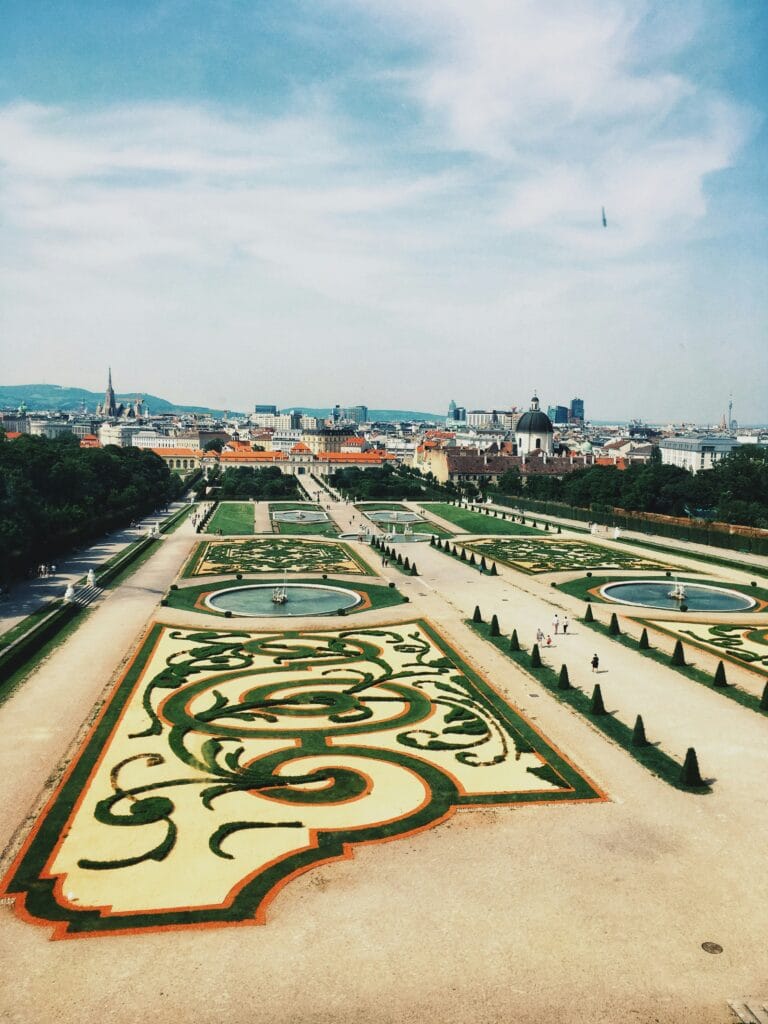
- Belvedere Palace – a baroque masterpiece, which today houses an art museum, famous for one of Gustav Klimt’s most famous paintings – “The Kiss”. The gardens between the Upper and Lower Belvedere are perfect for peaceful walks.
- Museum Quarter – Vienna’s cultural heart, where modern art meets classics. In this complex you’ll find the Leopold Museum, Museum of Modern Art (MUMOK), and other cultural objects.
- Prater Amusement Park – Vienna’s amusement park is a great place for the whole family. Its symbol is the vintage “Wiener Riesenrad” Ferris wheel, from the top of which all of Vienna can be seen.
Salzburg
Mozart’s birthplace and music festival city.
Places to Visit:
- Hohensalzburg Fortress – one of the best-preserved medieval fortresses in Europe, located on a hill above Salzburg. The fortress offers not only an interesting museum but also breathtaking views of the city and surrounding mountains.
- Mozart’s Birthplace – Mozart’s house on Getreidegasse street is a museum exhibiting items reflecting his life and work. It’s a place where you can feel the beginning of genius creativity.
- Mirabell Palace and Gardens – elegant Mirabell Palace is famous for its ornate gardens, which are one of Salzburg’s most beautiful places. The gardens were also filmed in the movie “The Sound of Music”.
- Getreidegasse Shopping Street – narrow old town streets with charming historic buildings. Here you’ll find unique shops, cafes, and restaurants, and the street itself looks like an open-air history museum.
- Hellbrunn Palace – Renaissance-style summer residence, famous for its “water games”. Fountains and hidden sprinklers create fun entertainment, especially in summer.
Innsbruck
Capital of Tyrol, center of winter sports and Alpine culture.
Places to Visit:
- Golden Roof (Goldenes Dachl) – the city’s symbol – a Renaissance-era building with an impressive golden tile roof. This building was built to celebrate a Habsburg dynasty marriage and became an important historical object.
- Olympic Ski Jump – the Bergisel ski jump is modern sports infrastructure from which panoramic views of Innsbruck unfold. It’s not only a sports venue but also an architectural masterpiece.
- Ambras Castle – historic Renaissance castle with interesting museum exhibits, including armor, weapons, and art collections. The castle is located on a hill from which wonderful views unfold.
- Old Town (Altstadt) – Innsbruck’s old town is small but full of charm – with narrow streets, historic architecture, and cozy cafes. It’s a great place for peaceful walks.
- Nordkette Mountain Railway – just a few minutes from the city center and you’re already in the mountains! Nordkette cable cars will take you to breathtaking heights, from where you can enjoy magnificent Alpine views and ski slopes.
Austrian Cuisine
Austrian cuisine is famous for its desserts, coffee, and traditional meat dishes.
Traditional Dishes:
- Wiener Schnitzel: Austria’s national dish, protected by law – the real Wiener Schnitzel must be made only from veal. The meat is pounded to a thin strip, rolled in flour, egg, and breadcrumbs, then fried in butter until it acquires a golden color and crispy coating. Traditionally served with parsley, lemon, and potato salad or mashed potatoes.
- Apfelstrudel: this is a thin, elastic pastry sheet filled with apples, raisins, cinnamon, and breadcrumbs. The dough is prepared extremely thin – traditionally it’s said that newspaper text should be visible through it. The apple filling is combined with cream or vanilla sauce. This dessert became popular throughout the German-speaking region.
- Sachertorte: luxurious chocolate cake created in 1832 by Franz Sacher for Vienna’s “Hotel Sacher”. The cake consists of two chocolate sponge layers with apricot jam inside, covered with dark chocolate glaze. Its recipe is a strictly guarded secret, and the original cake is still baked only at “Hotel Sacher” today.
- Tafelspitz: slowly boiled beef tail part, served with various vegetables, apple horseradish sauce, and roasted potatoes. This dish was Emperor Franz Joseph I’s favorite food and became a symbol of Viennese cuisine.
- Kaiserschmarrn: fluffy, cut-into-pieces pancake, sprinkled with powdered sugar and served with plum compote or apple puree. The name comes from Emperor Franz Joseph I, who loved this dessert very much. The pancake is made from light dough with beaten egg whites, fried and torn into pieces.
- Tiroler Gröstl: hearty mountain region dish, traditionally made from yesterday’s leftovers. A mixture of fried potatoes, onions, and meat (usually pork), seasoned with herbs and served with a fried egg on top. It’s a popular skiers’ breakfast choice.
- Mozartkugeln: chocolate candies created in 1890 in Salzburg, Mozart’s birthplace. Each candy is handmade from pistachio marzipan, nougat, and dark chocolate. Original Mozartkugeln are still made only at “Fürst” confectionery in Salzburg today, although similar candies can be found throughout Austria.
Travel Itinerary Ideas
Weekend Trip:
- Day 1: Vienna’s old town and palaces
- Day 2: Museums and coffee houses
Week-long Trip:
- Days 1-2: Vienna
- Days 3-4: Salzburg
- Day 5: Hallstatt
- Days 6-7: Innsbruck and the Alps
Austrian Nature
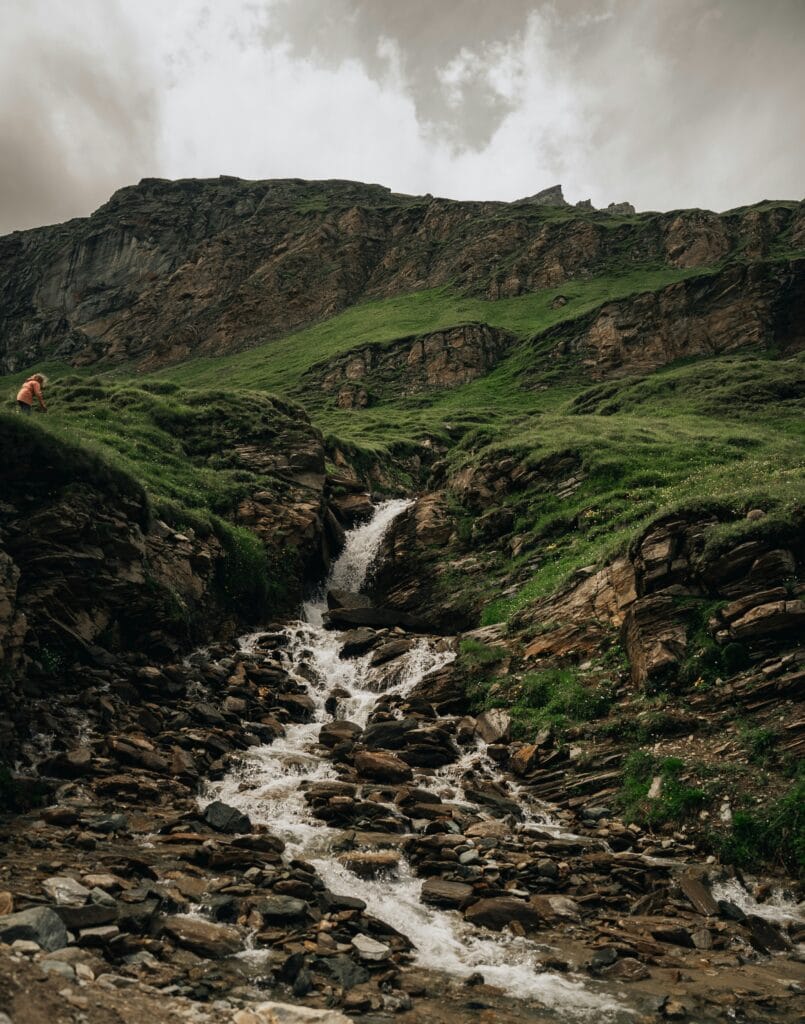
- Grossglockner – not only Austria’s highest mountain (3,798 m), but also one of the most impressive Alpine regions. The famous Grossglockner High Alpine Road was designed by Franz Wallack – it’s an engineering masterpiece with 36 turns, climbing to 2,504 meters altitude. The road is open from May to October and offers breathtaking views of glaciers, Alpine meadows, and mountain peaks. The Kaiser-Franz-Josefs-Höhe observation platform provides an unforgettable view of the Pasterze glacier – the longest in the Eastern Alps.
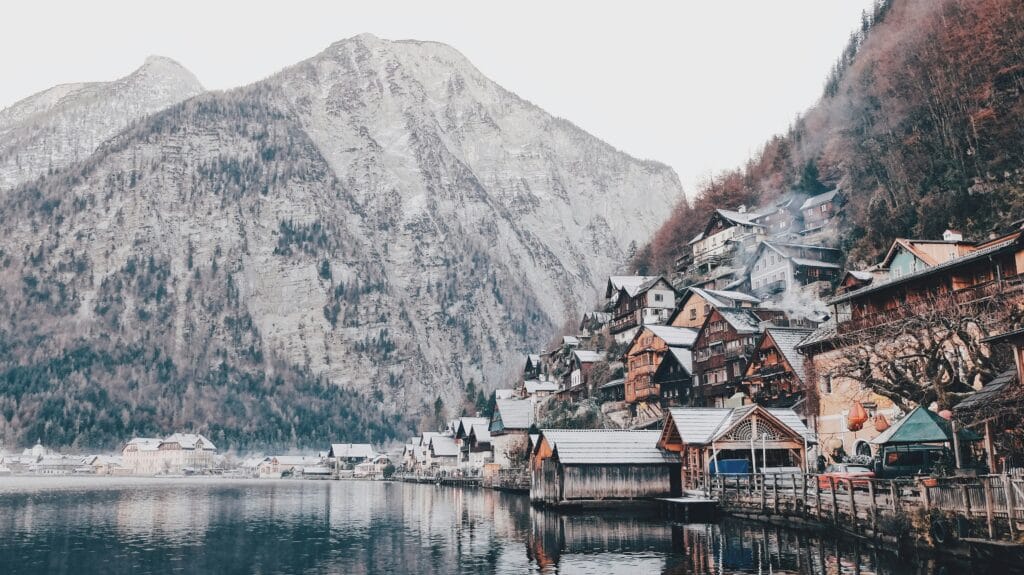
- Hallstatt Lake and Village – often called “the world’s most beautiful lakeside village”. 16th-century wooden houses reflected in the crystal lake water create a fairy-tale view. The village became famous for salt mines – “white gold”, which was mined here since the Iron Age. Visitors can visit the world’s oldest salt mines, ascend to the “Skywalk” observation platform, from which a panoramic view of the village and Alpine mountains unfolds.
- Hohe Tauern National Park – the largest in Central Europe, covering 1,856 square kilometers. The park contains more than 266 peaks higher than 3,000 meters, 551 lakes, and 342 glaciers. Here lives impressive Alpine fauna – mountain goats, marmots, eagles, and bearded vultures. More than 1,200 kilometers of marked hiking trails are established in the park.
- Vorarlberg Alps – Austria’s westernmost region, famous for its blend of modern architecture and traditions. This region is especially popular among skiers – the famous Lech-Zürs and St. Anton resorts are located here. In summer, the region attracts hiking enthusiasts, cyclists, and mountaineers. Lake Constance offers water sports opportunities and scenic shores.
- Salzkammergut Lake Region – a land of 76 lakes nestled between mountains. Each lake has its own character: Wolfgangsee is famous for its St. Wolfgang church and steamboat cruises, Lake Traunsee is impressive due to the steep cliffs surrounding it, and Attersee – the largest lake belonging entirely to Austria – is known for its crystal water and excellent sailing conditions. The region is also famous for its cultural heritage – imperial resorts and historic villas.
Practical Tips
- Public transport: excellently developed and punctual
- Language: German, in tourist regions – English
- Payment: cards widely accepted
- Mountain trips: proper equipment and insurance required
- Working hours: most stores closed on Sundays
- Coffee culture: traditional coffee houses – part of culture
Main Events in Austria
- Vienna Ball Season: January-February. A special period when more than 450 traditional balls take place in the city. The most important of them is the Vienna Opera Ball, held at the State Opera House. These balls are not just dances, but an important social phenomenon where strict etiquette is observed: men wear tailcoats, women – long evening gowns. Debutantes traditionally wear white dresses and tiaras when opening the ball. Classical Viennese waltz, polka, and other traditional dances are performed.
- Salzburg Festival: July-August. One of the most prestigious classical music and opera festivals in the world. It takes place in Mozart’s birthplace and attracts the world’s best musicians, conductors, and opera soloists. The festival program includes symphony concerts, operas, and theater performances. Particularly impressive are outdoor performances, for example, the “Jedermann” performance in the cathedral square.
- Bregenzer Festspiele: July-August. Distinguished by its unique floating amphitheater on Lake Constance. Every year a new opera is staged here with impressive decorations that rise directly from the lake water. The stage is visible to 7,000 viewers, and the natural lake background and mountain panorama create an inimitable atmosphere. The festival is also famous for its modern opera productions and orchestra concerts.
- Christmas Markets: November-December. A special tradition. The Christkindlmarkt in Vienna’s Rathausplatz square is the largest and most popular, with more than 150 stalls. Here you can find traditional handmade Christmas decorations, baked gingerbread, hot punch, and glühwein (mulled wine). Every major Austrian city has its own Christmas market with unique traditions and specializations.
- Vienna New Year’s Concert: January 1. The New Year’s Concert is the most prestigious classical music event in the world, broadcast to more than 90 countries. The Vienna Philharmonic Orchestra performs works by the Strauss family and other Austrian composers in the Musikverein Golden Hall. Tickets to the concert are so in demand that a lottery is held for the right to purchase them. The concert traditionally ends with “The Blue Danube Waltz” and “Radetzky March”, which the audience accompanies with applause.
Austria – a country where history and modernity create perfect harmony. Whether you’re looking for cultural experiences in big cities, or adventures in the Alpine mountains, or simply want to enjoy the atmosphere of coffee houses – you’ll find everything here. From imperial legacy to contemporary art scene, from high mountain peaks to cozy valleys – Austria enchants with its contrasts and inimitable atmosphere.