 Iceland
Iceland: Land of Fire and Ice, Where Nature Creates Miracles
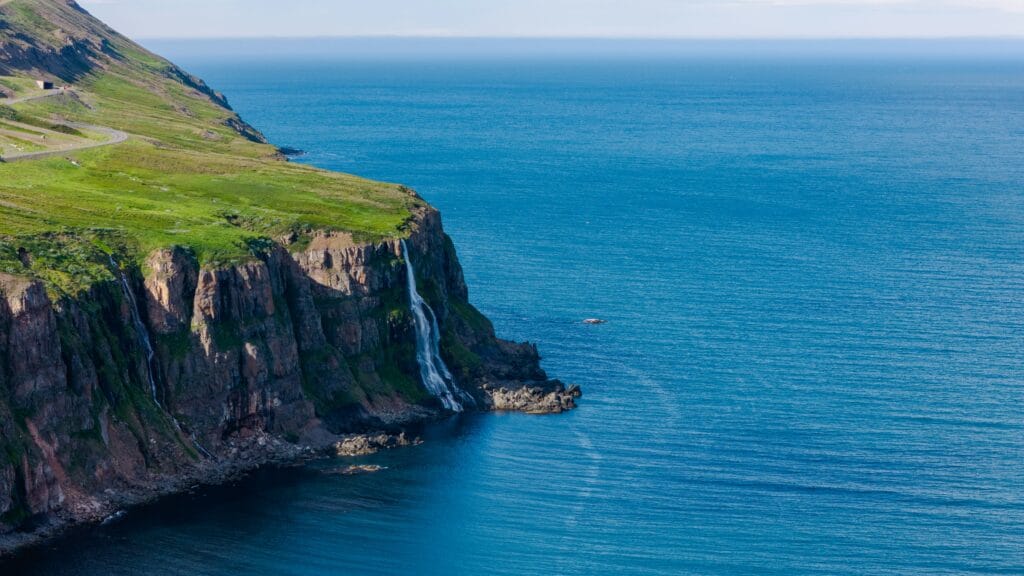
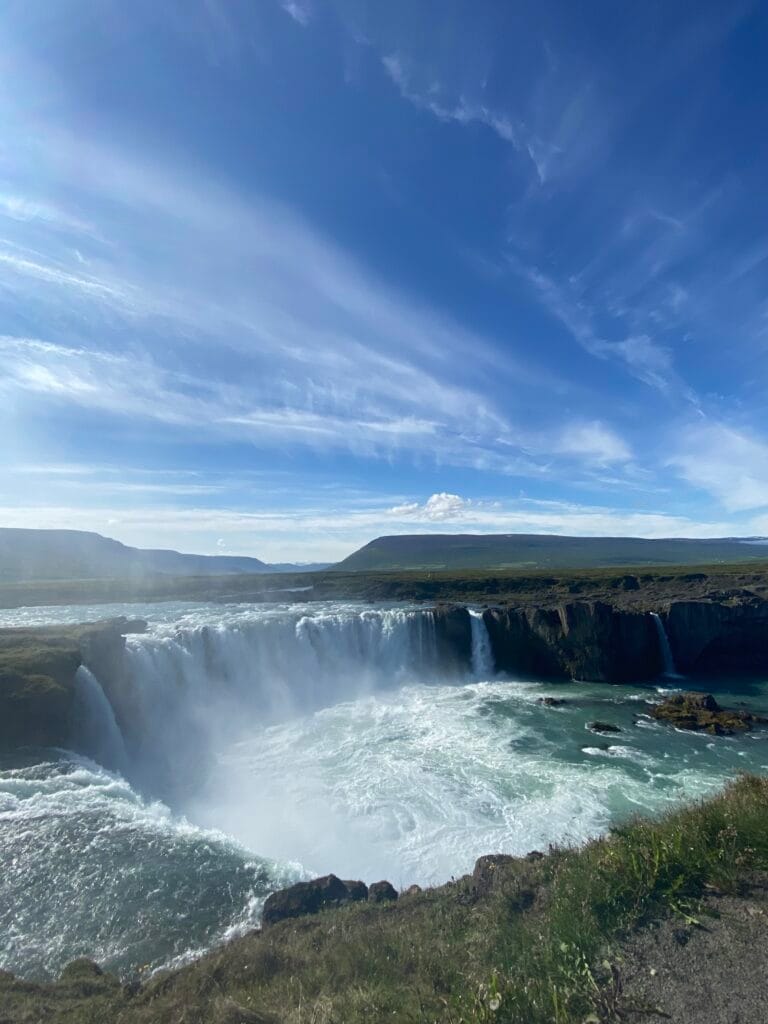
When I first visited Iceland, I realized that all those photos I had seen on social media didn’t convey even a fraction of it. I stood on black volcanic sand, lava fields stretched around me, and rising steam from hot springs in the distance reminded me that Iceland is a place that is alive and breathing.
When I started thinking about my travel destination, it seemed to me that Iceland is a must-see at least once. Since I’ve always been fascinated by wild nature, volcanoes, glaciers, geysers, and mountains.
Basic Information about Iceland
- Capital: Reykjavik
- Area: 103,000 km²
- Population: ~375,000 (2024)
- Currency: Icelandic Króna (ISK)
- Language: Icelandic
- Time Zone: GMT (unchanged year-round)
When to Travel to Iceland?
After several visits to Iceland – in summer and winter, as well as having conversations with locals, I compiled a table:
| Season | Temperature | Number of Tourists | Nature and Activities | Prices |
|---|---|---|---|---|
| Spring (March-May) | 0–10°C | Few | Awakening nature, bird migration | Lower |
| Summer (June-August) | 10–15°C | Many | Midnight sun, green landscapes, best road conditions | Highest |
| Autumn (September-November) | -5–10°C | Moderate | Colorful tundra, Northern Lights | Moderate |
| Winter (December-February) | -5–5°C | Few | Northern Lights, glacier caves, lots of snow | Lower |
During my March visit, the temperature fluctuated around 0-5 degrees, dressed a bit warmer – it didn’t hinder wandering around Iceland at all. The biggest spring advantage – fewer tourists and lower prices. I remember a morning on Hrisey island, when through the window I could see thousands of birds returning after winter. A local joked: “we have more birds than people here”. And it’s true, because according to Wikipedia 2017 data, 153 people live on this island.
If you want to see Iceland in all its greenery, then of course summer is the time. Temperature rarely rises above +15 degrees, but due to the polar circle’s influence, daylight prevails almost all day long, creating a strangely special feeling.
In autumn, weather cools to 0–10°C, the Northern Lights season begins.
If you like a large amount of snow, and there’s really a lot in winter, then fly in winter. Temperature usually stays around -5 degrees, but daylight hours shorten (it’s practically always dark). The biggest advantage is that you get the opportunity to visit glacier caves, which only form in winter.
Main Cities and Regions
Reykjavik: Northern Capital with Soul
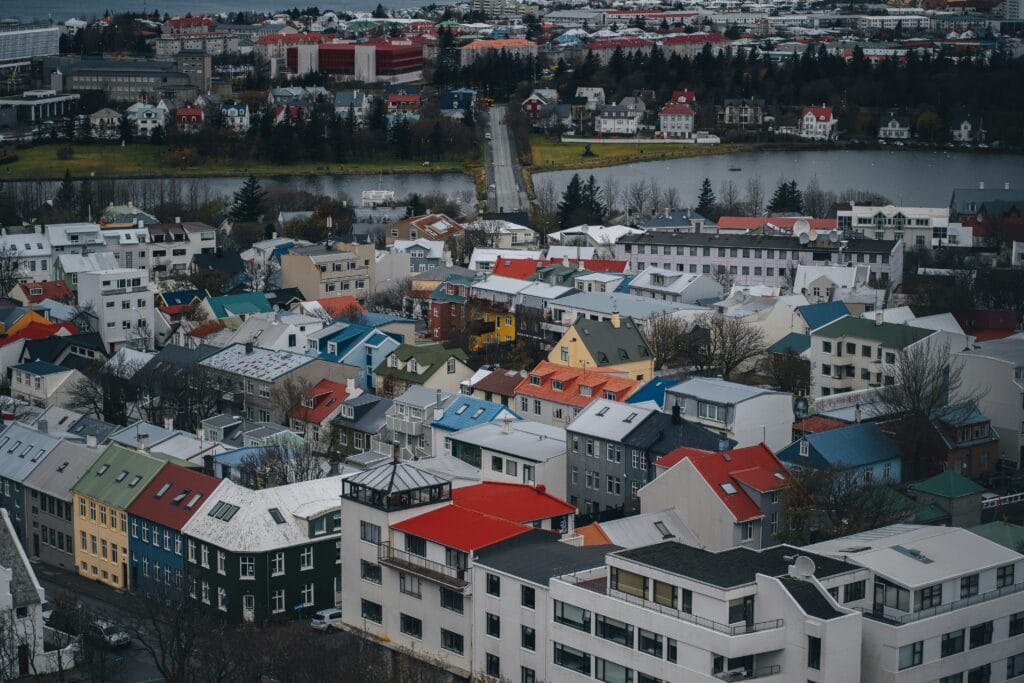
Reykjavik – Europe’s smallest and coziest capital, which can be explored on foot in a day.
My morning ritual in Reykjavik was to start the day at “Reykjavik Roasters” cafe, where the barista not only brewed excellent coffee but also shared locals’ favorite places that you won’t find in tourist guides.
Places to Visit in Reykjavik:
- Hallgrimskirkja Church – in my opinion, the best way to start getting to know the city. Climb the tower and see the sea of colorful roofs stretching to the ocean. The building was designed inspired by basalt column forms you can see throughout Iceland – a brilliant architectural solution!
- Harpa – a concert hall that, in my opinion, is one of the world’s most beautiful modern buildings. The glass facade resembles basalt columns and changes color depending on daylight. In the evening, the light show on the building’s exterior is simply hypnotizing.
- Old Town and Laugavegur Street – spending an afternoon walking narrow paths between colorful houses, stopping at small design shops, tasting Icelandic treats – it’s a great way to feel the city’s pulse. My discoveries: “Omnom” chocolate shop and “Handknitting Association of Iceland”, where I bought an authentic lopapeysa sweater.
- Nauthólsvík Geothermal Beach – where else in the world can you bathe in warm water while looking at snowy peaks on the horizon? Water here is heated naturally, and the contrast between hot bath and cold air is simply divine.
Hrisey Island: Iceland’s Secret That Few Know About
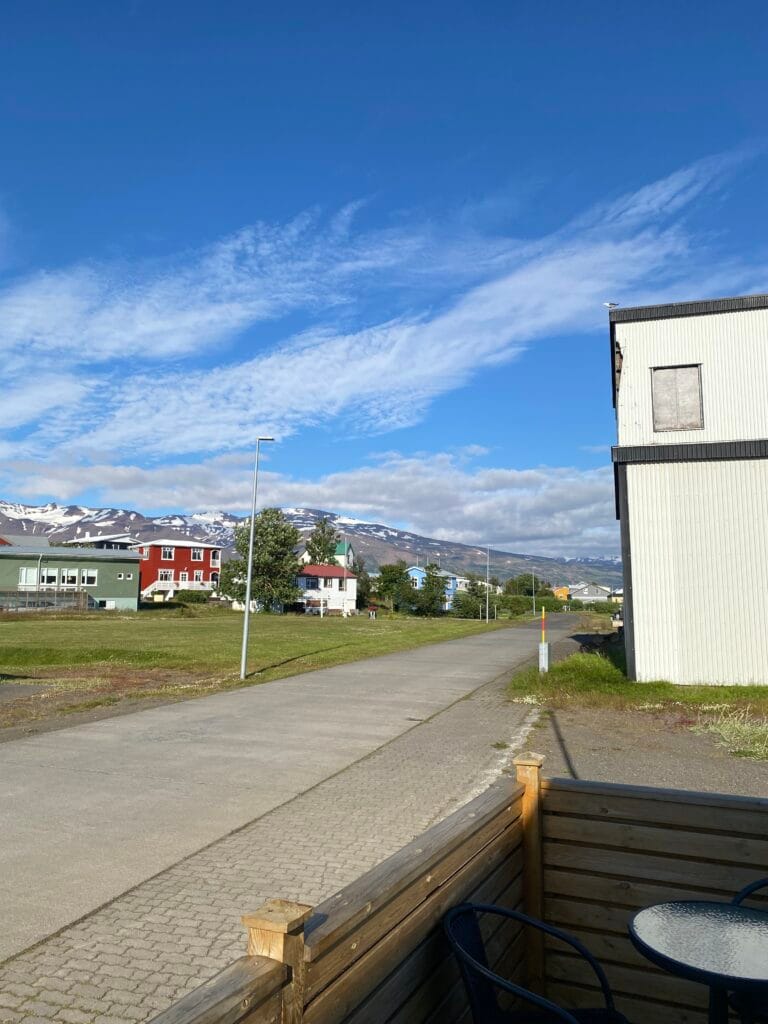
This was my unexpected discovery, which I recommend to everyone wanting to see authentic Iceland. Hrisey – Iceland’s second-largest island, located in Eyjafjörður fjord, which even many tourists don’t know about.
The ferry trip from Árskógssandur port takes only 15 minutes, but arriving you feel like you’ve entered another world. Only about 153 people live on the island, and their main mode of transport is a tractor!
However, traveling from Reykjavik to Árskógssandur port without a car will be a bit difficult. The car journey takes on average 5 hours, and public transport goes to Akureyri and then by transferring you can get to the port.
| From | To | Price | Ticket Purchase | Notes |
|---|---|---|---|---|
| Reykjavik | Akureyri | ~90–130 euros | straeto.is or on bus | Bus No. 57, journey takes about 6.5 hours |
| Akureyri | Árskógssandur | ~9 euros | On bus | Bus No. 78, journey about 30 min. |
| Árskógssandur | Hrísey Island (ferry) | ~8 euros for adults | Ferjur.is or on ferry | Ferry runs regularly, but schedule should be checked. |
*If you still want to save money, I suggest looking in Facebook groups to contribute to fuel (40-60 euros) or risk catching the last ferry and hitchhiking (Icelanders often stop).
Although it’s difficult to travel to Hrisey, it’s worth visiting:
- Bird Watching – the island is an important bird reserve where during migration you can see more than 40 species. The bird watching festival in May attracts ornithologists from around the world.
- Tractor Tour – sounds weird, but it was one of the funniest experiences of my trip! A local takes tourists around the island in a special trailer attached to a tractor, stopping at the most interesting places and telling stories you won’t read in any guide.
- Energy Hill (Energihóll) – I was skeptical about locals’ stories about this place’s special energy, but sitting on the hilltop I felt strangely calm. Was it simple fatigue after a long walk, or truly a special place.
- Geothermal Pool – there’s no better way to end a day in Iceland than soaking in a hot water pool under the open sky. Locals like to say that the best discussions happen right here.
Akureyri: Northern Capital and Gateway to Adventures
Akureyri – Iceland’s second-largest city (~19,000 inhabitants), located on the Eyjafjörður fjord coast. It’s a great place to explore the island’s northern part.
I was charmed by the places to visit and the city’s atmosphere – compact but full of life. Walking tree-lined streets, it’s hard to believe we’re only 100 km from the Arctic Circle!
Places to Visit in Akureyri:
- Botanical Garden – how this miracle can exist so close to the Arctic. The garden, founded in 1912, has more than 7,000 plant species. When I visited in June, alpine flowers were blooming in such colors that it seemed like I had entered a fairy tale book illustration.
- Akureyri Church – designed by the same architect who created the famous Hallgrimskirkja in Reykjavik. Climbing the stairs, you see the entire city in your palm, and the stained glass windows inside tell Iceland’s stories with lights and colors.
- Hlíðarfjall Ski Center – I didn’t plan to ski, but a local convinced me to try. The result? Skiing in a fjord when the ocean view opens before your eyes – priceless. There are trails of various difficulties, so it suits both beginners and advanced skiers.
- Akureyri Pool – after an active day there was nothing better than relaxing in a hot water bath under the open sky, watching it snow.
Icelandic Cuisine: For Gourmets
I’m a culinary adventure enthusiast, so Icelandic cuisine was another travel discovery. Some things caused culture shock (yes, I’m talking about hákarl – fermented shark), while others became new favorites.
My Culinary Adventures:
- Skyr – thick, protein-rich dairy product resembling Greek yogurt but even creamier. I ate it every morning with fresh berries and grains. I brought home a recipe and now try to make it myself.
- Plokkfiskur – fish stew with potatoes and onions. This simple dish was my discovery in a small restaurant in Akureyri. The hostess said the recipe is passed down from generation to generation, and the secret is using the freshest fish.
- Rúgbrauð – dark rye bread, traditionally baked in the ground using geothermal energy. Its slightly sweet taste pairs perfectly with smoked salmon and butter.
- Hákarl – fermented Greenland shark. I have to admit – the smell made me question my decision to taste it. The taste… specific. Locals joked that you eat the first bite out of respect for history, the second – out of politeness, and the third – only if you’re truly brave. I stopped at the second.
- Lambakjöt – Icelandic lamb. Sheep here graze freely, feed on natural grasses, so the meat has a unique, tender taste. Dinner at “Slippurinn” restaurant on Heimaey island, where they served braised lamb with local herbs, was one of the best in my life.
Practical Travel Tips
Weather: Be Prepared for Everything
Icelanders have a saying: “If you don’t like the weather, wait five minutes.” One day I experienced all four seasons: in the morning the sun was shining, at noon it was raining, after lunch a blizzard started, and toward evening the sun came out again. At times it resembles United Kingdom weather.
Always have a waterproof jacket, even if the weather forecast looks great. In my travel backpack I always had:
Transport: Car Rental and Safety Tips
Car rental in Iceland is expensive, but will make your trip easier. Only with your own transport can you discover remote places and change plans according to weather conditions.
If you plan to travel in winter or to more remote places, choose a 4×4 vehicle. My experience driving with a regular car was… let’s say, full of adrenaline, but I wouldn’t recommend it.
Always check weather and road conditions before leaving. The website umferdin.is provides the latest information about road conditions.
Budget Planning: Expense Optimization
I won’t deceive you – Iceland is an expensive country. However, there are ways to see it without emptying your bank account:
- Accommodation: Book in advance (at least 3-6 months). During summer season prices double. I used “Airbnb” and hostels, which allowed me to save money for food.
- Food: Restaurants in Iceland are expensive. My strategy was to eat in a restaurant once a day, and cook other meals myself. “Bonus” stores (yellow pig logo) offer the best prices.
- Water: Never buy water if you can use the tap. Iceland’s tap water is one of the cleanest in the world.
Communicating with Locals: Cultural Nuances
Icelanders may initially seem reserved, but once you break the ice, they are incredibly friendly and helpful. Icelanders are proud of their culture and gladly share it.
A few useful Icelandic phrases:
- “Halló” (Hello)
- “Takk” (Thank you)
- “Góðan daginn” (Good day)
- “Skál” (Cheers!)
Unforgettable Iceland Experiences
1. Northern Lights Watching by Jökulsárlón Glacial Lagoon
I remember sitting on a black beach at midnight, icebergs floating around me, and green and violet light dancing above my head. It’s hard to describe that feeling in words – as if the universe was trying to communicate with you.
The best time to watch the Northern Lights is from September to April, when nights are dark. Use apps like “Aurora Forecast“, which will help predict aurora activity.
2. Bathing in the Hot River in Reykjadalur Valley
After a two-hour hike through mountains, I reached a river whose water is heated by natural hot springs. +40°C water, steam rising around me, and snowy peaks visible on the horizon.
Tip: Bring water shoes – the river bottom is rocky.
3. Exploring Glacier Caves under Vatnajökull
Entering a glacier cave, an amazing world of blue light opens up, which only exists during winter months. These caves form in summer when melting glacier water carves tunnels in the ice, but they become safe to explore only when the weather cools.
Caution: Caves constantly change and can be very dangerous.
Final Thoughts
Iceland became for me not just a travel destination, but a second home. In this country I felt nature’s power and fragility at the same time. Nowhere else in the world have I felt so small before nature’s greatness and yet so alive.
If you’re considering whether it’s worth investing in this trip, my answer is – unconditionally yes. I also suggested looking into how you can save money when buying tickets.
Whether you’re looking for adventures in glaciers, or peace in hot springs, or cultural discoveries in cozy cafes – Iceland has something to offer everyone. You just need to be prepared to accept everything this unique country will offer you.