 United Kingdom
United Kingdom: Kingdom of Traditions and Modernity
The United Kingdom is a true four-country puzzle, where past and present clasp hands like old good friends. Imagine how London’s skyscrapers compete with ancient Scottish Highland castles, while Welsh castles quietly whisper their legends beside Northern Ireland’s wild coasts. Here the Queen’s guards stand stiff as a board, but just around the corner – a hipster gallery or some street musician with a ukulele. And more: traditional fish and chips beside gourmet restaurants that have earned Michelin stars. Everything blends so strangely that you don’t even know – is this serious or joking? But that’s where all the charm lies.
Basic Information about the UK
- Capital: London
- Area: 242,495 km²
- Population: ~67 million (2024)
- Currency: Pound Sterling (GBP)
- Language: English (also Welsh, Scottish Gaelic, Irish)
- Time Zone: GMT (summer BST/GMT+1)
When is the Best Time to Travel to the United Kingdom?
Spring (March-May)
A real celebration for the mood, when the weather pleasantly stays between 10–18°C, and parks and gardens just burst with blossoms. Plus, there are fewer tourists than in summer, so you can calmly walk around cities without a crowd of elbows nearby. Add Easter holidays with various events and festivals – and there’s your ideal time to travel, explore and just enjoy.
Summer (June-August)
The longest days and pleasant warmth (15–25°C) just invite you to adventures. The Wimbledon tennis tournament – a paradise for sports fans, while music festivals and royal events add a bit of luxury and bustle. True, it’s as full of tourists as a teacup at five o’clock, so advance booking is essential if you don’t want to be left out in the cold.
Autumn (September-November)
Autumn in the United Kingdom is a true color show, when leaves create landscapes worthy of a painter’s brush. The weather is cooler (8–15°C), but there are fewer tourists, and prices are more pleasant for the wallet. It’s the ideal time to slowly walk through museums, visit cultural events or just enjoy cozy moments with a hot drink in hand. Everything is somehow calmer, but no less impressive.
Winter (December-February)
It’s not just coolness and dampness (2–10°C), but also true festive coziness. Christmas lights twinkle in every corner, and the smell of mulled wine tickles your nose at markets. The skiing season begins in the Scottish Highlands – a great opportunity to jump into a warm sweater and rush to the mountains. And what about New Year’s Eve fireworks and winter sales, when you can hunt for discounts like a true professional.
Main Cities and Regions
London
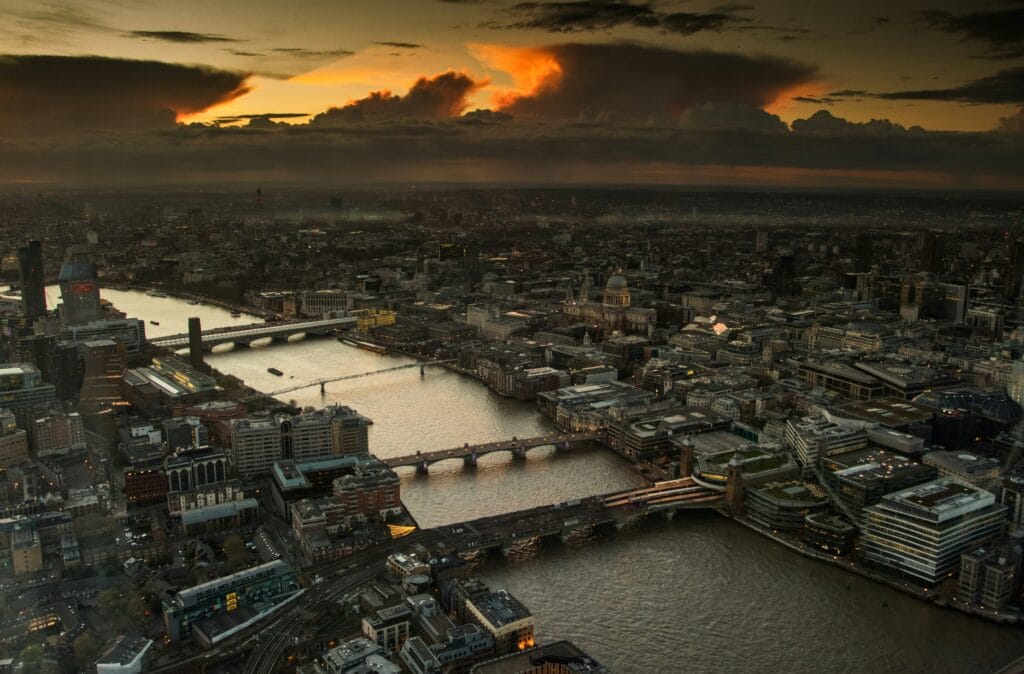
London, the capital of the United Kingdom, is one of the world’s oldest and most dynamic metropolises, home to about 9 million people. The city is spread across both sides of the River Thames and comprises 32 boroughs.
Places to Visit:
- Tower of London – one of London’s oldest symbols, founded in 1066. This fortress served as a prison, armory, royal residence and even a zoo. Today it houses the impressive Crown Jewels of Britain, among them the famous Imperial State Crown with 2,868 diamonds. Visitors are greeted here by the legendary “Beefeater” guards, who not only guard the fortress but also conduct interesting tours, telling the rich history and legends of the castle.
- Buckingham Palace – the official residence of British monarchs since 1837. The palace has 775 rooms, impressive state apartments and a huge garden. One of the most famous attractions is the Changing of the Guard ceremony, which takes place every other day. During summer months, when the royal family is on vacation, part of the palace is opened to visitors, allowing them to view the luxurious interiors and art collections.
- British Museum – one of the world’s largest and oldest museums, founded in 1753. It houses over 8 million exhibits, including the Rosetta Stone, Egyptian mummies, and Parthenon sculptures. The museum is famous for its free admission, which allows everyone to become acquainted with the treasures of human history and culture. Particularly impressive is the Great Court with its glass dome.
- London Eye – became a modern symbol of London since its opening in 2000. This 135-meter-high observation wheel is one of the most popular tourist attractions, offering breathtaking 360-degree views of the city. One rotation takes 30 minutes, and special capsules hold up to 25 people. Evening rides are especially impressive, when the city lights up with thousands of lights.
- Westminster Abbey – is not only a Gothic architectural masterpiece, but also the heart of English history. Since 1066, English monarchs have been crowned here, and royal weddings and funerals take place. More than 3,000 notable Britons are buried in the abbey, including scientists, writers and monarchs. Particularly impressive are the stained glass windows, high ceilings and Poets’ Corner, where England’s most famous literary figures are immortalized.
- Covent Garden – was once London’s main vegetable market, and today it’s a lively entertainment and cultural center. Victorian market pavilions now house shops, restaurants and craft boutiques. Street artists, musicians constantly perform here, and various events take place. The surrounding buildings house the Royal Opera House, theaters and numerous stylish boutique shops.
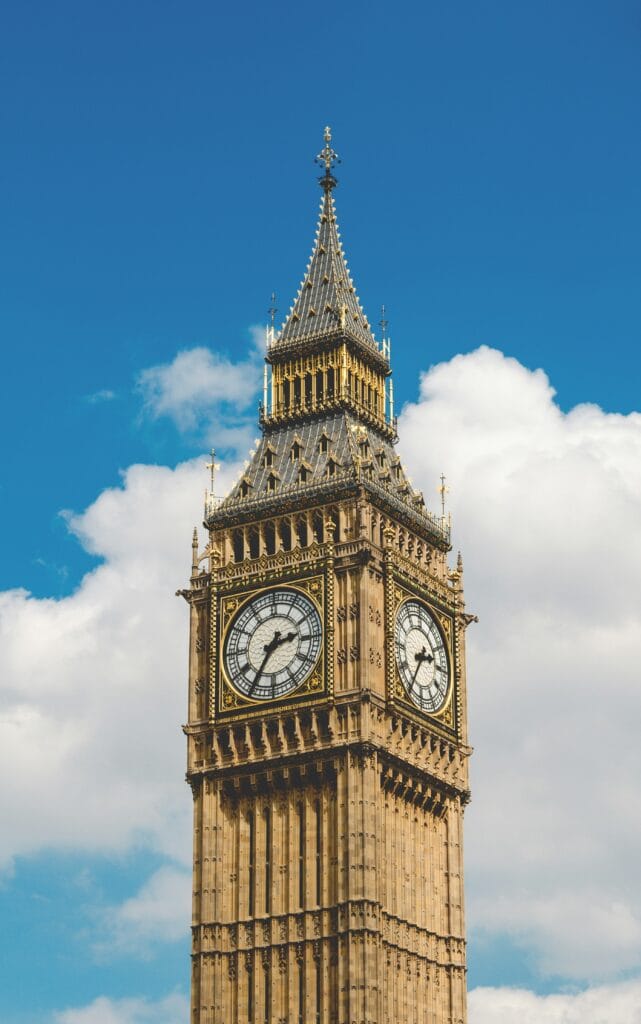
- Big Ben – is actually the great bell of Elizabeth Tower, although the entire tower is often called by this name. It is part of the Palace of Westminster (UK Parliament), built in 1859. The tower reaches 96 meters in height, and its clock is the largest four-faced clock in the United Kingdom. Each dial is 7 meters in diameter, and the minute hand is 4.2 meters long. From 2017 to 2022, a major Big Ben restoration took place, during which the tower’s exterior and mechanisms were renovated. During the restoration, the original Victorian color scheme was restored, including the starry dial with gold details. Now Big Ben chimes every hour, and its sound can be heard throughout central London. Interestingly, Big Ben’s chime has become a symbol of BBC radio news, and the tower’s lighting at night creates one of the most recognizable views of London’s skyline. The tower is included in the UNESCO World Heritage list along with the Palace of Westminster.
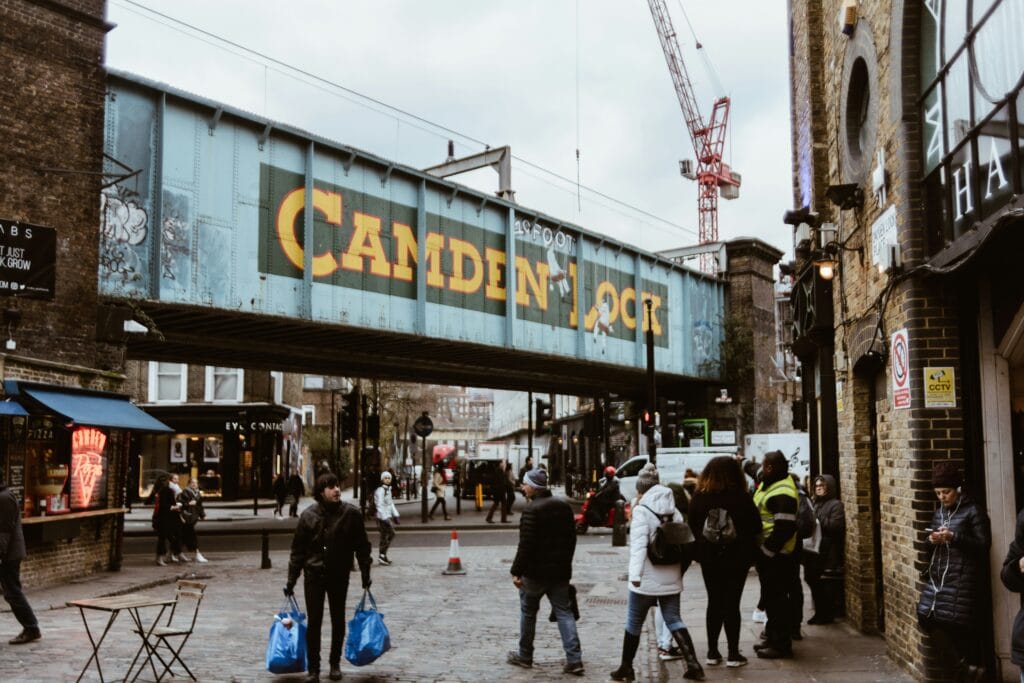
- Camden Town – one of London’s most colorful and liveliest neighborhoods, famous for its alternative culture and the famous “Camden Market”. This market actually consists of several different marketplaces:
- Camden Lock Market – located by Regent’s Canal, famous for craftsmen’s works
- Stables Market – in former horse stables, offers vintage clothing and antiques
- Camden Lock Village – food market with cuisines from around the world
The neighborhood is also famous for its musical history – legendary bands like The Clash and Pink Floyd performed here, and the famous Jazz Cafe club still attracts famous performers today. Camden’s streets are decorated with bright murals, and shop facades are decorated with giant sculptures. On weekends, the neighborhood becomes especially lively when thousands of visitors gather to shop, taste dishes from various countries’ cuisines and enjoy street musicians’ performances.
Edinburgh
Scotland’s capital, a UNESCO World Heritage city.
Places to Visit:
- Edinburgh Castle – the city’s symbol, perched on a 130 million-year-old volcanic rock. The castle dominates the city skyline and is visible from many places. Here are kept the Scottish Crown Jewels, the legendary Stone of Destiny, used in Scottish coronation ceremonies, and Scotland’s oldest relic – St. Margaret’s Chapel. Every day at 1 PM a cannon is fired from the castle – a tradition dating back to 1861, when this shot helped ships synchronize their chronometers.
- Royal Mile – Edinburgh’s Old Town’s main artery, stretching about a mile (1.6 km) from Edinburgh Castle to Holyrood Palace. This historic street actually consists of several streets: Castlehill, Lawnmarket, High Street and Canongate. It’s full of historic buildings, traditional pubs, souvenir shops, narrow side streets (closes) and courtyards (courts). The street also has many important places to visit, including St Giles Cathedral and the Scottish Parliament building.
- Arthur’s Seat – an ancient extinct volcano, rising 251 meters above sea level. It’s the highest point in Holyrood Park, offering incomparable 360-degree views of the city, Firth of Forth and distant Scottish hills. The climb to the summit takes about an hour, and the trail is accessible to visitors of moderate fitness. Legend says the mountain was named in honor of King Arthur, although historians dispute this version.
- National Museum of Scotland – Scotland’s largest museum, located in two contrasting buildings – Victorian and modern. The museum presents Scotland’s natural history, science and technology achievements, world cultures and, of course, Scotland’s rich history. Particularly interesting exhibits include Dolly the first cloned sheep, ancient Pictish chess sets and the impressive Grand Gallery with its Victorian-era architecture.
- Calton Hill – one of the best places to observe the city panorama. On the hill stand several impressive classical buildings, which is why Edinburgh is sometimes called the “Athens of the North”. Here you’ll find the National Monument (an unfinished copy of the Parthenon), Nelson’s Monument and the Dugald Stewart Monument. The hill is a popular place to watch the sunset, photograph the city and participate in the traditional Hogmanay (New Year’s) festival and Beltane Fire Festival.
Cardiff
Wales’s capital, where traditions intertwine with modernity.
Places to Visit:
- Cardiff Castle – a distinctive castle combining Roman, Norman and Victorian architecture. Its history begins with a Roman fort in the 3rd century. The current appearance of the castle was greatly changed by the 3rd Marquess of Bute in the 19th century, when the interior was redesigned in the Gothic Revival style of the time. Visitors are especially charmed by the luxurious rooms with extravagant wall paintings, gilded ceilings and rich arabesque patterns. The castle tower offers a wonderful city panorama, and the underground shelter tunnels, used during World War II, tell the story of more recent times.
- Cardiff Bay – Europe’s largest port regeneration project, which transformed the former industrial port into a modern cultural and entertainment center. Here is the impressive Wales Millennium Centre – a modern architecture building that has become home to Welsh opera, theater and dance. Its facade is decorated with Welsh inscriptions in copper and glass. On the waterfront you’ll also find the Senedd (Welsh Parliament), the Norwegian Church, numerous restaurants, bars and luxury hotels. Visitors are charmed by walks along the water, where you can watch yachts and enjoy the lively atmosphere.
- National Museum Cardiff – an impressive museum that houses both art and natural history exhibitions under one roof. Art galleries display one of the best Impressionist collections in Europe outside Paris, including works by Monet, Renoir and Van Gogh. The natural history section allows you to learn about Wales’s evolution from dinosaur times to the present day, see mammoth skeletons and learn about the region’s unique geology. The museum is also famous for its Welsh porcelain and ceramics collection.
- Principality Stadium (formerly known as Millennium Stadium) – Wales’s largest stadium and home to the national rugby team. It’s the first stadium in the United Kingdom with a retractable roof and an impressive capacity of 74,500 seats. Since its opening in 1999, it has become not only a rugby match arena, but also a venue for important football matches, concerts and other events. The stadium’s architecture stands out with four-story towers at the corners and an innovative roof that can be closed in 20 minutes. Tours are also available here, during which you can visit the changing rooms, VIP areas and walk onto the pitch through the players’ tunnel.
What Does the United Kingdom Offer Gourmets? British Cuisine:
Traditional British dishes intertwine with world cuisine influences.
Traditional Dishes:
- Fish and Chips: an iconic British dish – fresh fish (usually cod or haddock) coated in beer batter, fried to golden color and served with thick fried potatoes. Traditionally the dish is sprinkled with malt vinegar and served with mushy peas. This dish originated in the 19th century and remains popular to this day.
- Full English Breakfast: hearty traditional breakfast that includes fried eggs, bacon, sausages, fried mushrooms, tomatoes, black pudding, baked beans in tomato sauce and toast. Components may vary by region – for example, in Scotland “tattie scone” (potato pancake) is often added, while in Ireland – “soda bread”.
- Sunday Roast: traditional Sunday lunch dish – roasted meat (beef, lamb, pork or chicken) with Yorkshire pudding (baked dough product), roasted potatoes, seasonal vegetables and meat gravy. It’s a family gathering tradition, especially popular in pubs.
- Haggis: traditional Scottish dish made from sheep offal (heart, liver, lungs), mixed with oats, onions and spices, all cooked in a sheep’s stomach. Served with “neeps and tatties” (turnip and potato mash) and traditionally eaten during Burns Night celebration on January 25.
- Afternoon Tea: an elegant British custom – afternoon tea served with various snacks. Traditionally served are small sandwiches, scones with cream and jam, and various pastries. This custom began in the 19th century and remains popular to this day, especially in luxury hotel restaurants.
- Shepherd’s Pie: a warming dish – minced lamb stew with vegetables, topped with mashed potatoes and baked in the oven until golden. If made with beef, it’s called “Cottage Pie”. It’s a traditional home cooking dish, ideal for cold weather.
- Welsh Rarebit: a refined Welsh cheese toast. On toasted bread is spread a special sauce made from melted cheddar cheese, beer, mustard and spices, then grilled until golden. Although the name means “Welsh rabbit”, there’s no rabbit in the dish – it’s a playful historical name.
Travel Itinerary Ideas
Weekend Trip:
- Day 1: London sights and museums
- Day 2: Windsor Castle and Oxford city
Week Trip:
- Days 1-3: London and surroundings
- Days 4-5: Edinburgh and Scottish Highlands
- Days 6-7: Lake District and York
Places to Visit that the United Kingdom Offers Nature Lovers
- Lake District: England’s largest national park, a UNESCO World Heritage site. This region is famous for its 16 magnificent lakes, England’s highest mountains and green valley pastures. Scafell Pike, England’s highest mountain (978 m), is popular among hikers. The region inspired many writers and poets, including William Wordsworth and Beatrix Potter. Here you can engage in water sports, hiking, cycling, and in traditional villages taste local food and craft ales.
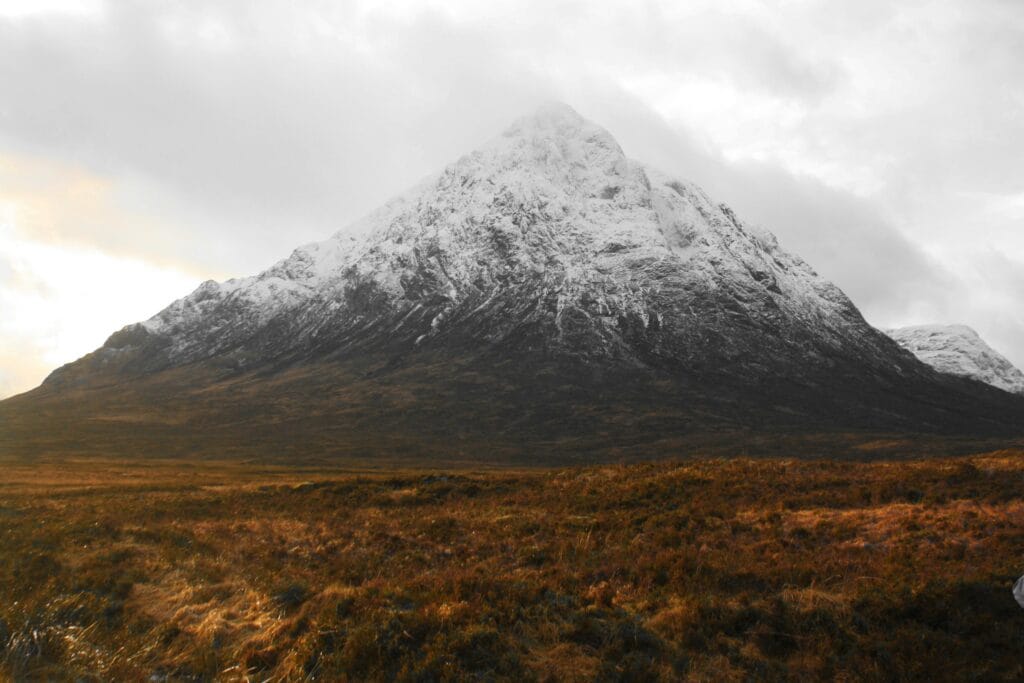
- Scottish Highlands: one of Europe’s most dramatic landscapes, covering a huge territory in northwest Scotland. Here you’ll find Ben Nevis – Britain’s highest mountain (1,345 m), the famous Loch Ness, where the legendary monster allegedly lives, and the historic Glen Coe and Glen Nevis glens. Impressive castles are scattered throughout the region, such as Eilean Donan and Urquhart, witnessing the rich clan culture history. The Highlands are famous for their whisky distilleries, traditional Scottish music and national dress.
- Giant’s Causeway: a unique geological formation on Northern Ireland’s coast, consisting of about 40,000 basalt columns. These hexagonal columns formed 60 million years ago due to volcanic activity. According to legend, they were built by the giant Finn McCool wanting to reach Scotland. The UNESCO-protected site offers impressive walking trails, a visitor center with interactive exhibitions and breathtaking Atlantic Ocean views.
- Stonehenge: a mysterious 5,000-year-old megalith complex on Salisbury Plain, Wiltshire. This UNESCO World Heritage site consists of giant stones arranged in concentric circles, each weighing up to 25 tons. Scientists still debate its purpose – whether it was a temple, astronomical calendar, or burial site. Special celebrations take place here during summer and winter solstices. Modern visitor center exhibitions help understand this impressive structure’s history and significance.
- Cornwall Coast: stretches almost 500 kilometers and is one of Britain’s most beautiful coasts. The dramatic landscape features steep cliffs, sandy beaches and charming fishing villages, such as St Ives and Padstow. The region is famous for its culinary traditions (especially Cornish pasties and seafood), arts communities and surfing culture. Impressive sites include St Michael’s Mount island, Eden Project botanical garden and Land’s End – England’s westernmost point. The coast path system offers wonderful opportunities for hiking and nature watching.
Practical Tips
- Transport: excellent railway network, but expensive – worth buying advance ticket discounts
- Weather: unpredictable, must have a raincoat at any time of year
- Driving: on the left side
- Electricity: 230V, British adapter required
- Museums: many state museums are free
- Pubs: when ordering drinks, payment is immediate
Main United Kingdom Events
- Edinburgh Festival: the world’s largest arts festival, taking place throughout August. It actually consists of several festivals happening at the same time:
- Edinburgh International Festival: prestigious performing arts festival
- Edinburgh Fringe: world’s largest alternative arts festival
- Edinburgh Book Festival: literature celebration with author readings
- Royal Edinburgh Military Tattoo: impressive military band performances against the castle backdrop
The city becomes a huge cultural stage with more than 3,000 events per day. Streets are full of artists, musicians and audiences from around the world.
- Wimbledon: June-July. The world’s oldest and most prestigious tennis tournament, held since 1877. It’s the only “Grand Slam” tournament played on grass courts. Traditions are very important here – players must wear white, spectators enjoy strawberries with cream, and royal family members watch matches from the Royal Box. The tournament lasts two weeks and attracts the world’s best tennis players and thousands of fans.
- Trooping the Colour: June. The official monarch’s birthday celebration, though it doesn’t necessarily take place on the actual birthday. This impressive military ceremony begins with a parade from Buckingham Palace to Horse Guards Parade, featuring over 1,400 soldiers, 200 horses and 400 musicians. The ceremony ends with the royal family’s appearance on the Buckingham Palace balcony and an RAF flypast over London.
- Notting Hill Carnival: Europe’s largest street carnival, celebrating Caribbean culture. During the last weekend of August, the Notting Hill neighborhood fills with colorful costumes, Caribbean music, dancing and food aromas. More than a million people gather to watch parades, listen to steel band orchestras and enjoy authentic Caribbean food. The carnival began in 1966 as a small community event and has now become one of the world’s largest multicultural festivals.
- Highland Games: traditional Scottish athletics and cultural festivals held in various Scottish towns from May to September. The games demonstrate traditional strength sport elements:
- Log throwing
- Hammer throwing
- Tug of War
- Caber toss (flipping a long wooden log) Traditional Scottish dancing competitions and bagpipe band performances also take place. The games tradition dates back to the 11th century, when kings held such events to select the best warriors. The Braemar Highland Games are the most famous, traditionally attended by the royal family.
The United Kingdom is a country where each region has its own unique character and charm. From historic castles to modern art galleries, from traditional pubs to world-class restaurants – here you’ll find everything a traveler could desire. Whether you’re interested in history, culture, nature or modern life – the United Kingdom will provide unforgettable impressions and experiences.