 Malta
Malta 
Malta: Mediterranean Sea’s Historical Treasure
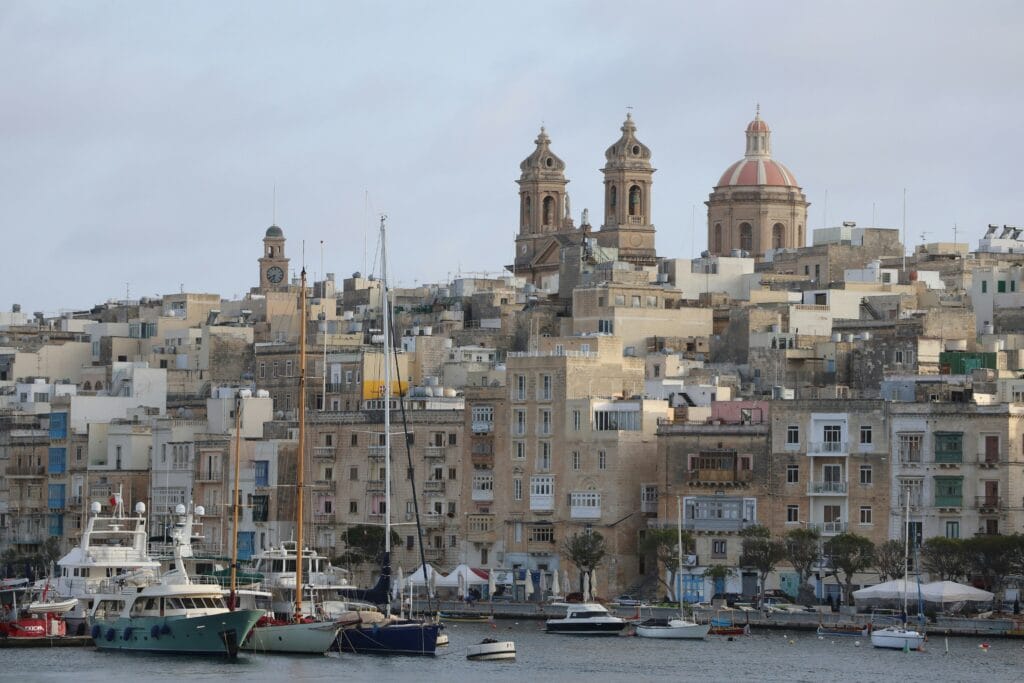
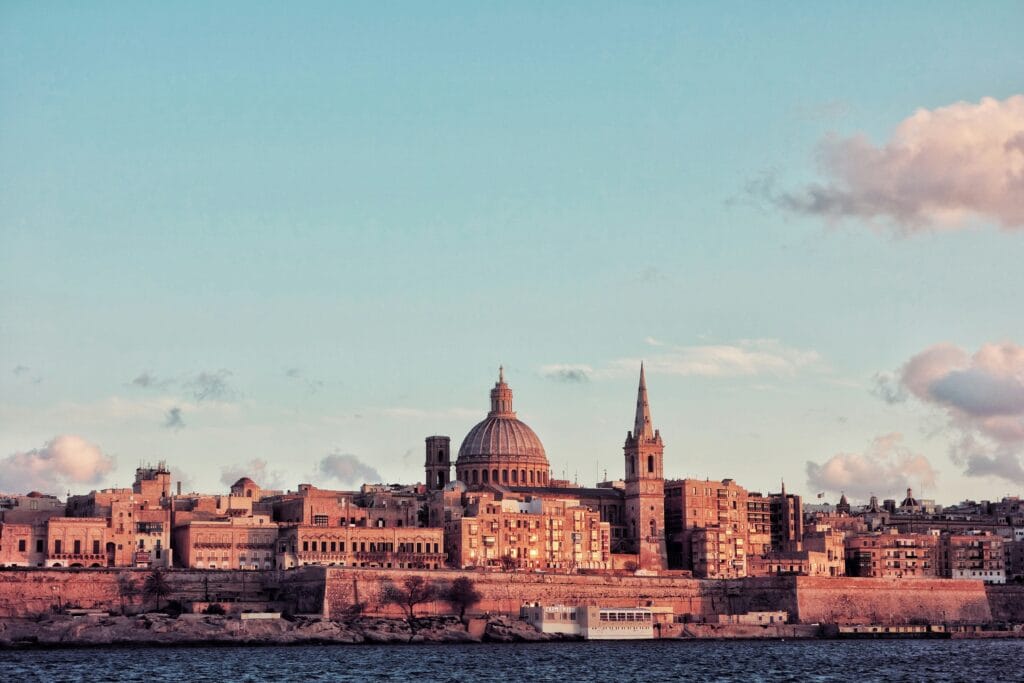
Malta is like a living history museum, where the past doesn’t gather dust on shelves but bustles and speaks directly into your ear. In Valletta’s streets, you can feel like a medieval movie hero – the armor may not be yours, but stories about the Great Siege will make you wipe off sweat. And those honey-colored buildings? In the evening they glow so beautifully that even Instagram filters are unnecessary – nature already applied them.
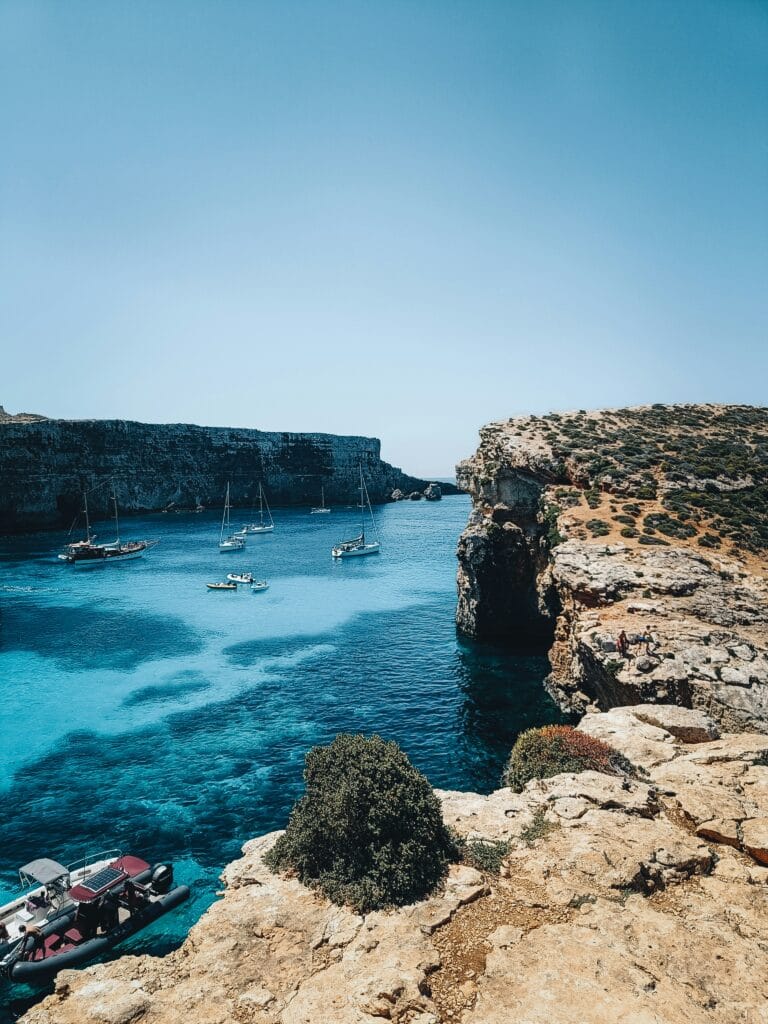
And what to say about the Blue Lagoon – the water is so clear you might think you’re walking on glass, not swimming. And Mdina, that mysterious Silent City, where streets seem specially created for contemplating life’s meaning (or at least where to go for dinner).
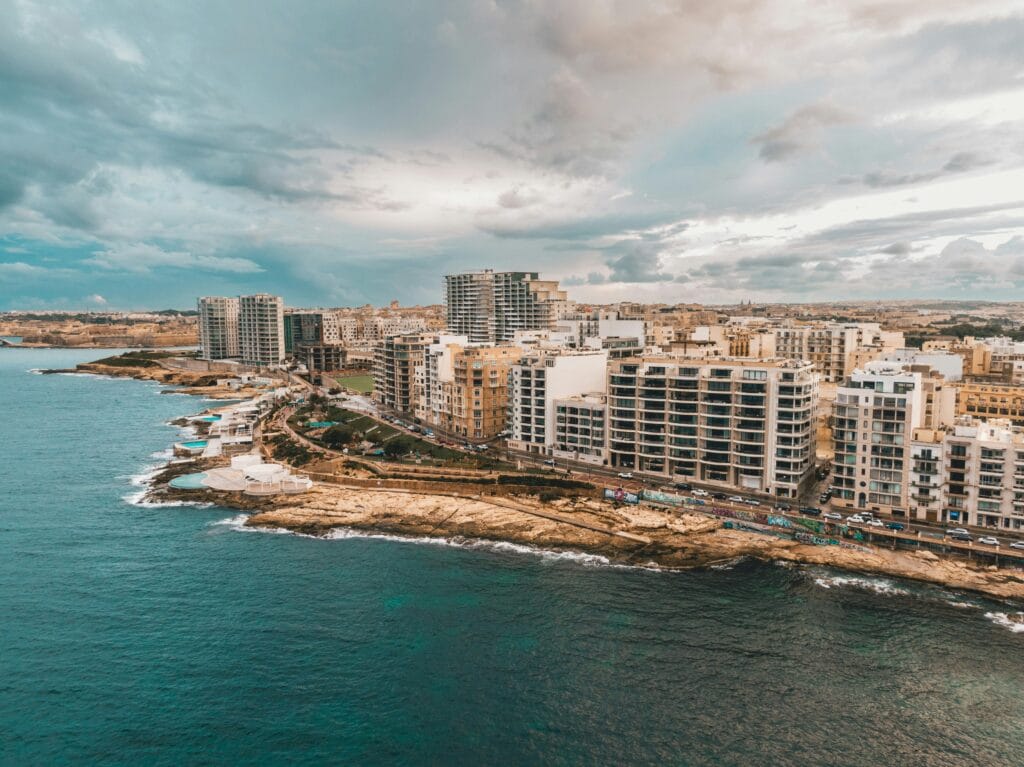
And your stomach won’t be forgotten here – traditional pastizzi (tiny pastries with ricotta or pea filling) are so inviting that even gourmet ego boils. And if modern entertainment or jazz rhythms in Sliema are more your taste, Malta has that too. Here every corner pulses with Mediterranean rhythm, where any moment can turn into an “oh, did you see how beautiful this is?” moment. Malta is not just a journey, but a little love story.
Basic Information About Malta
- Capital: Valletta
- Area: 316 km²
- Population: ~516,000 (2024)
- Currency: Euro (EUR)
- Languages: Maltese and English (both official)
- Time Zone: Central European Time (CET, GMT+1), summer – CEST (GMT+2)
Travel Planning and Transportation
- Flights – Malta International Airport is the main and only airport, 8 km from Valletta. Direct flights from many European cities.
- Ferries – regular connection with Italy (Pozzallo and Catania), summer season – additional lines to Genoa and Salerno.
- Public Transport – bus network connects all main places, Malta Public Transport card system operates.
- Between Islands – regular ferries between Malta, Gozo, and Comino. Gozo fast ferry – 25 min journey.
Accommodation
- Boutique Hotels – located in historic palazzo, especially in Valletta and Mdina. Authentic architecture with modern amenities.
- Seaside Resorts – St. Julian’s, Sliema, and St. Paul’s Bay offer all category hotels with pools.
- Traditional Houses – opportunity to stay in traditional Maltese houses (farmhouses), especially popular on Gozo island.
- Hostels – you’ll find hostels in St. Julian’s and Sliema area, great place to meet travelers from around the world.
Useful Words and Phrases
- Bonġu – good morning/good day
- Grazzi – thank you
- Jekk jogħġbok – please
- Saħħa – goodbye/cheers
- Iva/Le – yes/no
- Skuzi – sorry
- Prosit – congratulations/great
Safety and Health
- Health Insurance – European Health Insurance Card valid for EU citizens, but additional insurance recommended.
- Pharmacies – wide network, many operate long hours. On weekends, an emergency pharmacy is always open.
- Water – tap water is safe, but due to high mineral content, bottled water is recommended.
- Heat – in summer it’s essential to protect from sun, wear a hat and use sunscreen. Best time to visit cities – early morning.
Beaches and Water Activities
- Blue Lagoon (Comino) – crystal-clear water lagoon between rocks, popular for snorkeling and swimming. Best to arrive early morning when fewer tourists.
- Ramla l-Ħamra (Gozo) – reddish sand beach, surrounded by natural vegetation. Great place for snorkeling and families with children.
- Golden Bay – one of Malta’s most beautiful beaches, ideal for watching sunsets and water sports.
- St. Peter’s Pool – natural pool between rocks, popular among locals. Great place for diving into water and sunbathing on flat rocks.
Water Sports and Activities
- Diving – more than 50 diving sites, including underwater caves, shipwrecks, and reefs. Most popular sites:
- HMS Maori wreck in Valletta
- Blue Hole on Gozo island
- Cirkewwa reef
- Windsurfing – best places at Ghadira Bay and Golden Bay, especially winter months.
- Sailing – opportunity to rent yacht or catamaran, popular day trips around islands.
- Kiteboarding – Mellieha Bay and Marsalforn (Gozo) – main places for this sport.
Tips for Photographers
- Golden Hour – Valletta panorama from Sliema waterfront or Three Cities looks best at sunset.
- Architecture – traditional balconies in Valletta, colorful Marsaxlokk fishing boats, and Mdina arches.
- Night Photography – illuminated Valletta streets and forts create magical frames.
- Landscapes – Dingli Cliffs, Blue Lagoon, and Gozo coastlines look dramatic at both sunrise and sunset.
Traditions and Customs
- Festas – traditional religious celebrations celebrated in every town and village, with fireworks, processions, and music.
- Siesta – many shops close at noon, business life slows down 12:00-16:00.
- Coffee Culture – Maltese love long conversations over coffee, especially Sunday mornings.
- Family Traditions – Sunday lunch with family is an important tradition, often lasting several hours.
Maltese Cuisine by Region
- Marsaxlokk – fresh fish and seafood paradise:
- Lampuki (dolphinfish) – seasonal delicacy
- Aljotta – traditional fish soup
- Fried squid with lemon
- Valletta – gourmet restaurants and traditional taverns:
- Pastizzi – traditional pastries
- Bragioli – beef olives
- Maltese bread (ħobż biż-żejt)
- Gozo – farm products and traditional dishes:
- Ġbejniet – goat cheese
- Ftira – traditional pizza
- Homemade olive oil
When is the Best Time to Travel to Malta?
Spring (March-May)
Pleasant weather (15-23°C), blooming flowers and fewer tourists. Ideal time for cultural tourism and nature exploration.
Summer (June-August)
Hot and dry season (28-35°C). Most popular time for beach holidays and water activities. Biggest tourist crowds.
Autumn (September-November)
Pleasant weather (20-28°C), warm sea. Great time for city exploration and beaches, fewer tourists.
Winter (December-February)
Mild (12-18°C), sometimes rainy. Suitable for cultural tourism, museum visits. Lowest prices.
Main Cities and Regions
Valletta
UNESCO World Heritage Site and smallest European Union capital.
Places to Visit:
- St. John’s Co-Cathedral – Baroque masterpiece with Caravaggio masterpieces. Built in 1577, the cathedral amazes with its luxurious interior, gold-adorned walls, and unique marble tombstone mosaic floor decor. Here is kept the famous Caravaggio painting “The Beheading of Saint John” and other art masterpieces. The cathedral museum exhibits Flemish tapestries and religious artifacts.
- Grandmaster’s Palace – former Knights of Malta residence, now – presidency and state rooms museum. 16th-century palace preserved original interior, weapons collection, and fresco cycles. Palace State Rooms adorned with tapestries and fresco cycles depicting the Great Siege of 1565.
- Upper Barrakka Gardens – great panoramic view of Grand Harbour and Three Cities. Historic gardens established in 16th century as knights’ resting place. Daily noon cannon firing – tradition remaining from British times. Gardens adorned with sculptures and monuments.
- Crafts Center – traditional crafts center established in former knights’ order stables. You can watch silver work, lace weaving, and traditional glassware making. Center has shop where authentic souvenirs can be purchased.
- St. Paul’s Catacombs – ancient underground network with Christian graves and frescoes. 3rd-8th century carved catacombs are Malta’s largest underground Roman-era complex. Preserved rare frescoes, agape tables, and various burial types.
- Mdina Cathedral – impressive Baroque architecture shrine, built in 17th century on former Norman church foundations. Cathedral dome dominates city panorama, and inside you can admire fresco cycles depicting St. Paul’s life.
- Fort Sant’Angelo – strategic 16th-century fortress in Birgu city. During Order times it was grand master’s residence and most important defensive fortification. Now restored fortress reflects Malta’s military and maritime history.
Mdina
Former capital, called the Silent City.
Must See:
- City Walls – impressive medieval fortifications with panoramic views. Walls offer spectacular views over entire Malta island. Walking along ramparts especially magical at sunset.
- Main Gate – baroque entrance built in 1724. Gate adorned with coats of arms and lions. This is the main entrance to Silent City.
- Palazzo Falson – medieval palace turned into museum. Collection includes armor, paintings, rare books, and historic furniture. One of Mdina’s oldest buildings.
- Bastion Square – main square with cathedral and archbishop’s palace. Perfect place to feel city’s historical atmosphere and enjoy traditional Maltese architecture.
- Carmelite Monastery – 17th-century monastery with baroque church and garden. Monastery library preserves rare manuscripts and incunabula. Inner courtyard – oasis of peace in city center.
- Natural History Museum – housed in 18th-century Vilhena Palace, presents Malta’s geology, flora, and fauna. Impressive mineral collection and interactive exhibitions about Malta’s ecosystem.
- Fontanella Tea Garden – famous cafe on city walls, famous for homemade cakes and panoramic views. Especially popular for chocolate cake and traditional Maltese coffee.
Three Cities Region (Vittoriosa, Senglea, Cospicua)
Three historic cities on the other side of Grand Harbour, opposite Valletta.
Places to Visit:
- Vittoriosa (Birgu) – oldest of three cities:
- Fort St. Angelo – impressive medieval fortress
- Malta Maritime Museum – established in former shipyards
- Inquisitor’s Palace – rare preserved building of this type in Europe
- Senglea – peninsula city with:
- Safe Haven Gardens – panoramic gardens
- Gardjola – historic watchtower
- Basilica – baroque architecture monument
- Cospicua – largest of three cities:
- Double walls and fortifications
- St. Mary’s Church with valuable frescoes
- Traditional market and craft workshops
Malta’s Islands
Malta (Main Island)
- Sliema and St. Julian’s Bay – modern resorts with:
- Shopping centers and boutique shops
- Restaurants and nightclubs
- Waterfront promenade and swimming spots
- Marsaxlokk – traditional fishing village:
- Colorful luzzu boats
- Sunday fish market
- Authentic fish restaurants
- Ħaġar Qim and Mnajdra Temples – Neolithic megalithic structures:
- UNESCO World Heritage Sites
- World’s oldest freestanding structures
- Astronomically oriented architecture
Gozo
- Victoria (Rabat) – island capital:
- Citadella – fortified medieval fortress
- Gozo Cathedral with trompe l’oeil dome
- Traditional trading center It-Tokk
- Dwejra – natural wonders site:
- Inland Sea – natural pool
- Fungus Rock – unique geological formation
- Azure Window (historic site)
- Ggantija Temples – 5500-year-old megalithic structures:
- UNESCO World Heritage Site
- Older than Egyptian pyramids
- Archaeological museum nearby
Comino
- Blue Lagoon – island’s most famous attraction:
- Crystal-clear water bay
- Ideal place for snorkeling
- Day trip destination
- St. Mary’s Tower – 17th-century defensive tower:
- Panoramic views of all three islands
- Historic communication system
- Restored and open to visitors
Itinerary Ideas Around Malta
Weekend Trip:
- Day 1: Valletta and Three Cities region
- Morning: St. John’s Co-Cathedral and Grandmaster’s Palace
- Afternoon: Boat ride around Grand Harbour
- Evening: Dinner in Vittoriosa
- Day 2: Mdina and Rabat
- Morning: Mdina exploration
- Afternoon: St. Paul’s Catacombs in Rabat
- Evening: Sunset from Dingli Cliffs
Week-long Trip:
- Days 1-2: Valletta and Three Cities region
- Day 3: Mdina, Rabat, and Dingli Cliffs
- Days 4-5: Gozo island
- Day 6: Comino and Blue Lagoon
- Day 7: Marsaxlokk and southern Malta coast
Malta is a country where every stone has its story, and every alley leads to new discoveries. Here knights’ legacy intertwines with modern energy, and crystal-clear water bays invite cooling off after exploring historic cities. Although the island is small, its cultural heritage and traditions are so rich that even after several visits you keep discovering something new. Maltese hospitality, impressive architecture, rich history, and Mediterranean cuisine create a unique cocktail that once tasted makes you want to return again and again.
Before embarking on Malta adventures, most importantly – don’t forget to prepare your paper arsenal and find the best price-quality ratio for travel. Because why overpay for tickets when you can save for ice cream in Valletta.