 Albania
Albania: Balkan Secret by the Adriatic Sea
Albania – country where Mediterranean Sea spirit mixes with true Balkan traditions. Imagine: ancient ruins peacefully nestle alongside socialist era “concrete relics”, and stunning Adriatic Sea beaches compete in beauty with mountains resembling mini Alps. This is such place that simply begs to be discovered – sincere Balkan hospitality, wild nature beauty and history, whose every corner breathes. Albania awaits you, just prepare to be amazed and charmed!
Basic Information About Albania
- Capital: Tirana
- Area: 28,748 km²
- Population: ~2.8 million (2024)
- Currency: Albanian lek (ALL)
- Language: Albanian
- Time Zone: CET (GMT+1), summer – CEST (GMT+2)
When is Best Time to Travel to Albania?
Summer (June–August)
Hottest time, when thermometer shows 25–35°C, and so many tourists that in places you feel like at town festival! This is ideal time for lazy beach relaxation or coastal city bustle experience. But remember – prices here then jump up, and hotels need to be booked in advance, because at last minute you might have to sleep under palm tree.
Autumn (September–November)
Pleasant 15–25°C weather – just right when you don’t want to fry in sun or shiver from cold. Fewer tourists, so you can peacefully enjoy cultural discoveries, without elbow fights at most interesting places. Mountains at this time simply call for hikes, and sea still warm – you can swim and feel like whole beach is yours.
Winter (December–February)
On coast winter is mild, 5–15°C – just jacket and forward to long walks. And if you love snow, mountains offer you skiing joys! Prices at that time friendly, almost like winter sales, but some tourist places sleep winter sleep. So will need bit of creativity planning entertainment – but without tourist crowds and with pocket-friendly budget!
Spring (March–May)
Spring in Albania – true beauty! Nature blooms, temperature pleasant, 15–25°C – neither too hot nor too cold. Ideal time for cultural wanderings around cities and mountain hikes. Not many tourists yet, so won’t have to crowd at best selfie spots. Prices also friendlier, so can experience more for less.
Main Cities and Regions
Tirana
Tirana – Albania’s heart and largest city, true contrast champion! Here modern skyscrapers friendly stand alongside Soviet-style buildings, and colorful neighborhoods breathe life into history-soaked streets. This is city where one moment you can sip coffee in cozy square, and next – explore traces of past in bunker museum. Tirana – place full of energy, where old and new merge into unique rhythm, worth experiencing yourself.
Places to Visit:
- Skanderbeg Square – Tirana’s heart and soul. After 2017 reconstruction square became pedestrian zone with impressive mosaic pavement, using stones from various Albanian regions. Square is surrounded by city’s most important buildings: National History Museum with characteristic socialist realism style mosaic panel, National Opera, Et’hem Bey Mosque and clock tower. In evening square comes alive from light installations and fountains.
- Bunk’Art 1 and 2 – unique museums, installed in former communist regime bunkers. Bunk’Art 1 is largest, located outside city, in former Enver Hoxha’s secret bunker. It has more than 100 rooms installed, presenting Albania’s communist period history, art and culture. Bunk’Art 2, located in city center, focuses more on Ministry of Internal Affairs and secret police history.
- Ethem Bey Mosque – one of most beautiful examples of Ottoman architecture in Albania. Built in late 18th century, it’s distinguished by subtle plant ornaments and colorful frescoes, decorating both exterior walls and prayer hall. During communism period mosque was closed, but miraculously preserved its authentic beauty.
- Tirana Skytower – 85-meter high building with rotating observation platform and restaurant on top. Through 360-degree rotating restaurant you can see all of Tirana and surrounding mountains. Especially impressive view opens at sunset.
- Grand Park – locally still called “Parku i Madh”, is largest green space in city. It has artificial lake, running and bicycle paths, children’s playgrounds and amphitheater under open sky. Park became popular place both for sports and family picnics or cultural events.
- Blloku District – has interesting history – during Soviet times communist party elite lived here and ordinary people were forbidden to enter. Today this is hippest Tirana district, full of stylish cafés, restaurants, shops and nightclubs. Here you can see interesting contrast between Soviet architecture and modern buildings.
Durrës
Country’s most important port city with rich history.
Don’t Miss:
- Roman Amphitheater – one of most impressive ancient heritage sites in Balkans. Built in 2nd century, it could accommodate about 20,000 spectators. Amphitheater archaeological research revealed unique frescoes and mosaics from early Christianity period, decorating chapel installed under tribunes. Distinctive feature of this amphitheater – its preserved authentic structure and opportunity for visitors to view both arena and underground corridors.
- Archaeological Museum – preserves one of richest ancient period collections in Albania. It exhibits finds from various historical epochs: from Illyrian civilization to Hellenistic and Roman periods. Especially valuable are Greek vases, Roman sculptures, coin collections and everyday life artifacts, helping understand how rich ancient Dyrrachium (old Durrës name) life was.
- Durrës Beach – stretches more than 10 kilometers along Adriatic Sea. This sandy beach is famous for its gentle sand shore, warm and shallow waters, therefore especially suitable for families with children. Coast has many restaurants, hotels and entertainment centers. During summer season various festivals and cultural events take place here.
- Venetian Tower – surviving 15th-century Venetian Republic rule period defensive system element. Cylindrical tower was strategically important for port defense and trade control. Today restored tower became popular tourist attraction, from which impressive city panorama and sea views open.
- King Zog’s Villa – impressive interwar architecture example, reflecting Albania’s modernization period. Villa was built as King Zog I’s summer residence, distinguished by elegant art deco style and luxurious interiors. Although building suffered during war and communist period, preserved architecture testifies about short but significant Albanian monarchy period.
Sarandë
Southern Albania resort, also called “Albanian Riviera”.
Places to Visit:
- Butrint – exceptional archaeological complex, UNESCO protected since 1992. City flourished from 8th century BC until Middle Ages. Here you can see excellently preserved Greek theater, Roman baths, early Christianity baptistery with wonderful mosaics, Asclepius temple and defensive walls from different epochs. Especially impressive is city’s geographical position – it’s located on peninsula, surrounded by Vivari Lagoon and Ionian Sea.
- Blue Eye (Albanian “Syri i Kaltër”) – amazing natural phenomenon – this is more than 50 meters deep spring, whose center shows bright blue water “pupil”, surrounded by lighter colored water. Spring water is crystal clear and very cold (10°C), and its flow rate reaches 6 cubic meters per second. Walking paths and observation platforms are installed around spring.
- Lekursi Castle – stands in strategic location 300 meters above sea level. This Ottoman fortress was built in 1537 by order of Suleiman the Magnificent. From castle terrace breathtaking view opens to Sarandë Bay, Corfu Island and Ionian Sea. Today castle operates traditional restaurant, where you can taste local dishes while enjoying sunset.
- Mirror Beach (Albanian “Plazhi i Pasqyrave”) – one of most beautiful Albanian Riviera beaches. It’s famous for crystal clear water, fine white sand and dramatic cliff precipices. Beach got its name because of water, which like mirror reflects sky and surrounding rocks. Accessible only by sea or winding mountain trail, therefore preserved its natural beauty.
- Porto Palermo Castle – triangular fortress, built in early 19th century by famous Janina ruler Ali Pasha of Tepelena. Castle is located on small peninsula, deeply jutting into Ionian Sea. Its architecture combines Ottoman and Western European fortification elements. Near castle is former Soviet submarine base, which now also attracts tourists’ attention. Fortress position provides excellent opportunity to observe surrounding coast and photograph impressive sunsets.
Gjirokastër
UNESCO-protected city, famous for its characteristic architecture.
Main Attractions:
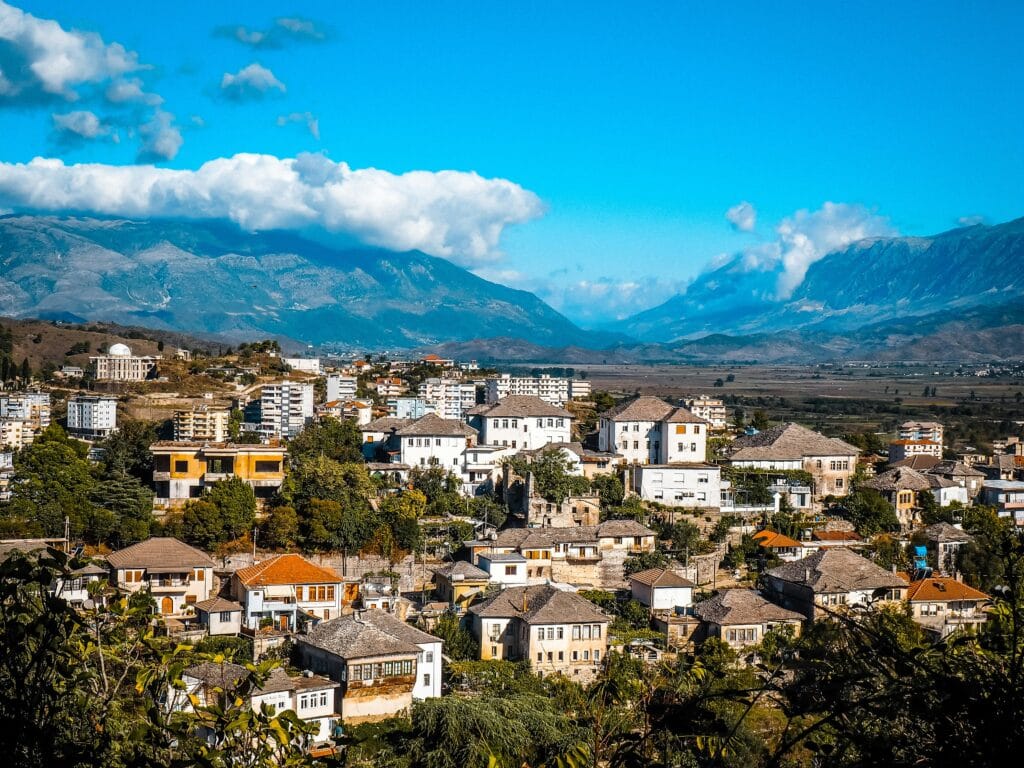
- Gjirokastër Castle – largest fortress in Albania, impressively rising above city on 336-meter high hill. Fortress begun to be built in 13th century and later expanded during Ottoman times occupies almost 6 hectares. Inside installed Arms Museum with exhibits from antiquity to Cold War times, including American spy plane. From castle panoramic view opens to Drino valley and Gjirokastër Old Town with characteristic gray stone roofs.
- Ethnographic Museum – established in house where in 1908 communist Albanian leader Enver Hoxha was born. This three-story Ottoman-style building presents rich regional cultural heritage. Museum exhibits traditional furniture, clothing, household items and craft examples, reflecting 19th-early 20th century wealthy Gjirokastër families’ lifestyle.
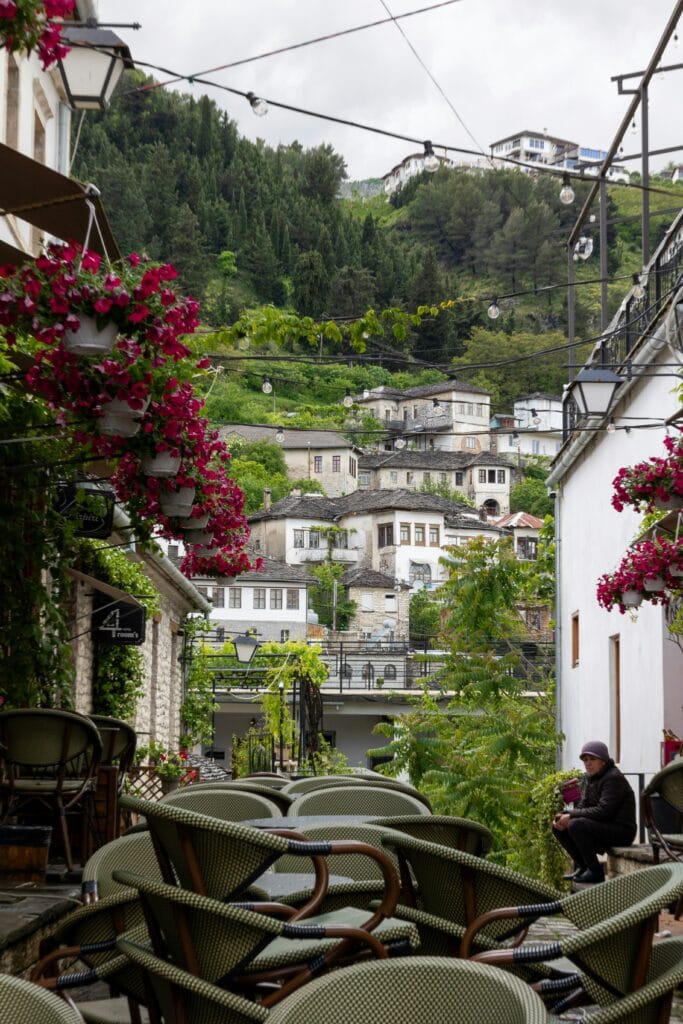
- Old Town Houses – unique architectural monuments, why city is also called “stone roofs city”. These houses are distinguished by massive flat stone roofs, often weighing up to 50 tons. Two or three-story houses were built as small fortresses with thick walls and small windows, adapted both for defense and comfortable living.
- Skenduli House – one of best preserved traditional Ottoman period houses, built in 1823 and belonging to same family until today. House architecture reflects that time’s social hierarchy – it has separate rooms for men and women, guest rooms, servant quarters. House’s distinctive feature – original wooden carvings, wall painting and authentic furniture.
- Old Bazaars – historic city marketplace, where authentic life boils even today. Here you can find local artisans’ workshops, where traditional metal works, fabrics, wood carvings are made. Market trades local products: olive oil, honey, herbs, cheeses. Bazaar architecture preserved original Ottoman times features – stone arches, pavement and characteristic trading pavilions.
What Does Albania Offer Gourmets?
Traditional Dishes:
- Tavë kosi – national Albanian dish, originating from Elbasan city. It’s made by layering rice and young lamb, pouring special yogurt, eggs and flour mixture. During baking golden, soufflé-like crust forms, and inside remains creamy texture. Dish traditionally baked in clay forms, giving special taste.
- Byrek – everyday Albanian cuisine dish, made from thin layered dough sheets. Most popular fillings – spinach with feta cheese (byrek me spinaq), ground meat (byrek me mish), or cottage cheese (byrek me djathë). Dough buttered between layers, to be crispy when baked. Byrek often eaten for breakfast with ayran (buttermilk).
- Qofte – meatballs, made from ground beef or lamb with onions, garlic, mint and spices. In different regions qofte made differently – they can be grilled, fried in pan or stewed in sauce. Often served with fresh vegetables, potatoes and chili pepper sauce.
- Pasterma – salted and dried beef, traditionally made from loin part. Meat marinated with garlic and spices, then air-dried for several weeks. Result – intense flavor meat, sliced very thin and often used in sandwiches or as snack with raki.
- Baklava – although originating from Ottoman Empire, became inseparable part of Albanian cuisine. Albanian version often made with walnuts, layering thin phyllo dough sheets. After baking poured with syrup with honey and lemon juice. Traditionally made during holidays and special occasions.
- Raki – traditional alcoholic beverage, made by distilling grapes or other fruits. It’s similar to Greek ouzo or Turkish rakı. Beverage is clear, but mixed with water becomes whitish. Raki traditionally drunk with meze (appetizers) and is important part of social life.
- Fergese – traditional Tirana region dish, made from roasted red peppers, tomatoes and gjize (sour cottage cheese). All ingredients chopped and baked together, until thick, creamy consistency forms. Served hot with bread or as side dish with meat dishes.
Travel Route Ideas
Weekend Trip:
- Day 1: Tirana – city overview and museums
- Day 2: Kruja – historic capital and traditional market
Two-week Trip:
- Days 1–3: Tirana and Kruja
- Days 4–6: Durrës and coast
- Days 7–9: Sarandë and Butrint Archaeological Park
- Days 10–11: Gjirokastër
- Days 12–14: Berat and Alps region
Albania’s Nature
- Theth National Park – one of most impressive Albanian nature corners, located in Albanian Alps (also called Accursed Mountains). In park you can see dramatic mountain landscapes, waterfalls and traditional mountain village Theth with unique architecture. Famous Theth waterfall falls from 30 meters height, and Blue Eye – crystal water spring – is one of most photographed places. Park also has preserved historic “blood feud towers” (kulla), testifying old Albanian Kanun tradition code.
- Karaburun-Sazan Marine Park – includes Karaburun Peninsula and Sazan Island. This park is famous for its underwater world – here you can find Mediterranean monk seals, dolphins and various coral species. Coast is carved with many grottos and caves, which can be explored by kayak. Park is also important archaeologically – ancient ship remains found here.
- Llogara Pass – one of most impressive mountain roads in Europe, connecting Albanian southern coast with country’s interior. Road installed at 1027 meters height winds between steep rocks, opening breathtaking views to Ionian Sea and surrounding mountains. Pass is also known for its serpentines – here are 25 sharp turns.
- Prespa Lake – unique natural wonder, because this is only lake in Europe, whose shores are shared by three states. Great Prespa Lake is famous for its biological diversity – more than 260 bird species live here, including great white pelicans. On lake shores you can find ancient Byzantine churches and hermit caves with frescoes.
- Valbona Valley – located in Valbona National Park, offers some of best hiking routes in Albania. Valley is surrounded by steep mountain peaks, and crystal water Valbona River flows through it. Here you can find rare plant species and observe wild animals – brown bears, wolves and lynxes. Valbona village preserves traditional Albanian mountain lifestyle, and in summer you can stay with local residents and taste traditional dishes.
Practical Tips
- Transport: city connections by buses, between cities – by vans (furgon)
- Internet: WiFi accessible in most places, cheap mobile internet
- Payment: in larger cities cards work, but need to have cash
- Electricity: European sockets (230V, 50Hz)
- Insurance: travel insurance essential
- Water: recommended to drink only bottled water
Main Events
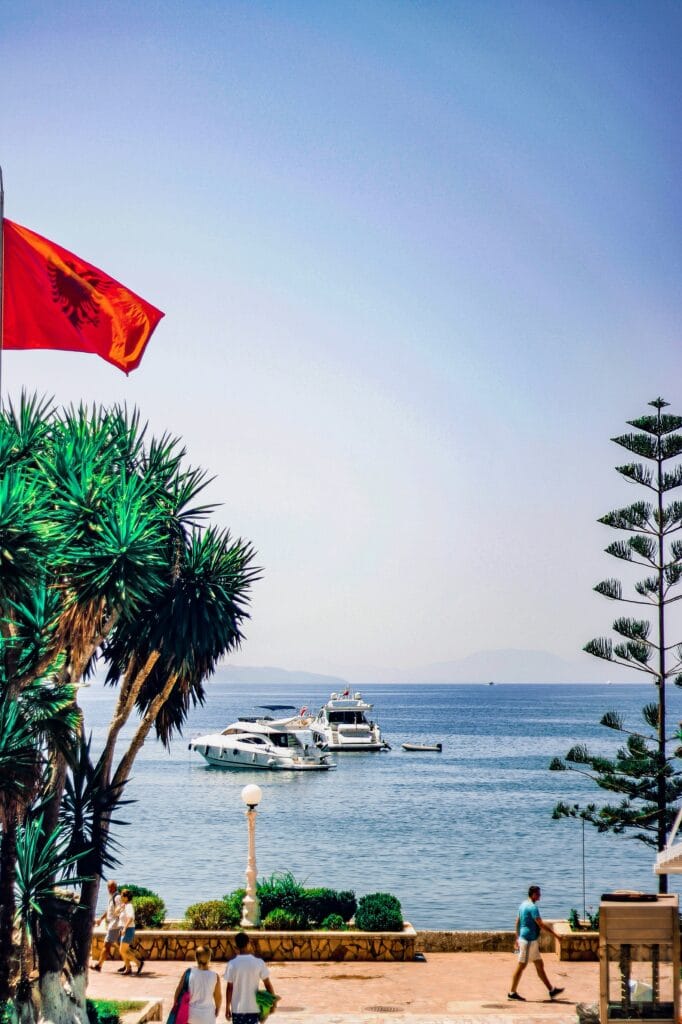
- Independence Day: November 28. Most important Albanian state holiday, commemorating 1912 independence declaration from Ottoman Empire. That day in Vlorë Albanian flag with double-headed eagle was raised. During celebration military parades, concerts and public ceremonies take place throughout country. In Tirana official ceremonies at Independence Monument take place, and in evening large fireworks are organized.
- Tirana Film Festival: October. International cinema event in Albania. Festival focuses on Balkan region and European cinema art, presenting both feature and documentary films. During festival meetings with directors, discussions about cinema and special outdoor film screenings take place.
- Berat Summer Festival: July–August. Takes place in UNESCO World Heritage city Berat. Festival combines traditional dances, music and craft demonstrations. Events take place in historic Berat Castle and Old Town. Visitors can see traditional Albanian costumes, hear polyphonic singing and participate in traditional craft workshops.
- Gjirokastër Folklore Festival: biggest traditional culture event in Albania, taking place in UNESCO-protected Gjirokastër city. Festival attracts folklore groups not only from Albania, but from entire Balkan region. Main focus given to iso-polyphony – unique polyphonic singing style, included in UNESCO intangible heritage list.
- Korçë Beer Festival: August. Became one of most popular summer events in Albania. Korçë is famous for its brewery, established in 1928. Festival lasts five days, during which live concerts, traditional dish tastings and, of course, local beer tasting take place. Event attracts thousands of visitors from all Albania and neighboring countries.
Albania – country that charms with its authenticity and hospitality. From Adriatic Sea beaches to Albanian Alps peaks, from UNESCO-protected cities to untouched nature corners – here every traveler will find something special!