 Estonia
Estonia: Junction of Northern European Medieval and Digital Innovation
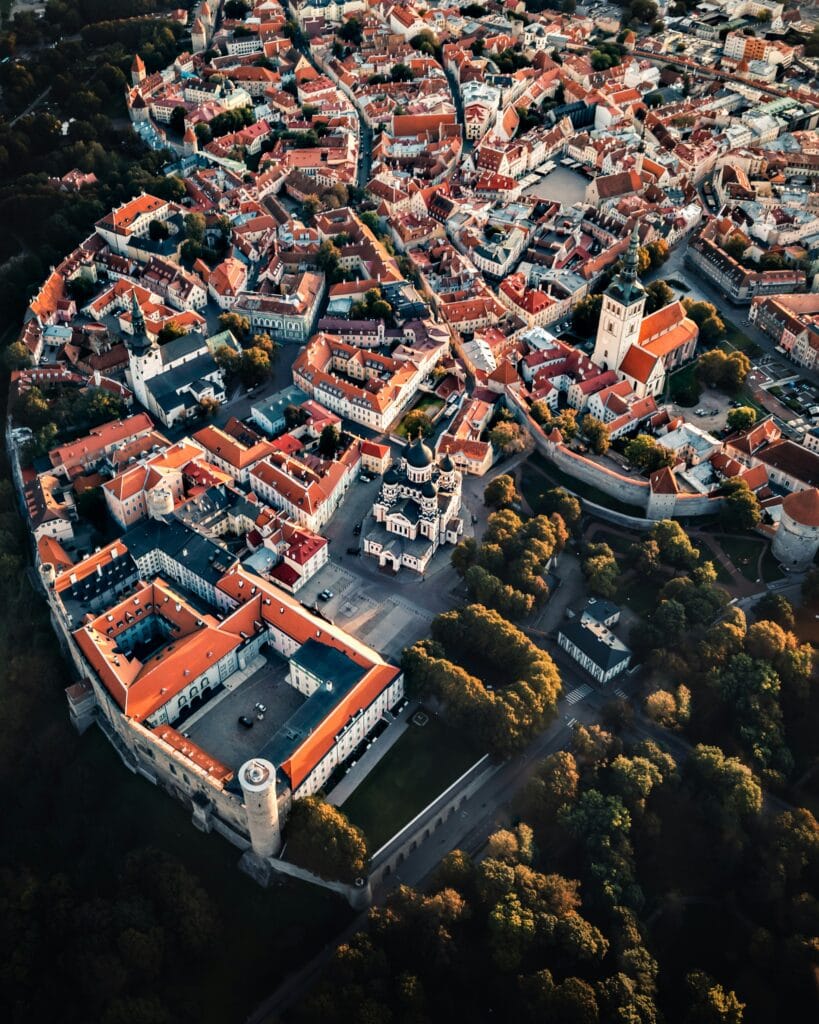
Estonia – a country where ancient stones tell medieval stories, and modern technologies open doors to digital future. This is a unique place where UNESCO-protected Tallinn Old Town meets startups, and green forests and coastal tranquility intertwine with modern city spirit.
Basic Information About Estonia
- Capital: Tallinn
- Area: 45,227 km²
- Population: ~1.3 million (2024)
- Currency: Euro (EUR)
- Language: Estonian
- Time Zone: Eastern European Time (EET, GMT+2), summer – EEST (GMT+3)
When to Travel to Estonia?
Spring (March-May)
Nature awakens, weather becomes mild (5–15 °C), and cities – less crowded. This is excellent time for city walks or nature observation.
Summer (June-August)
White nights and pleasant temperature (15–22 °C) make summer ideal time for festivals, seaside relaxation or nature exploration.
Autumn (September-November)
Colorful nature beauty, tranquility and SPA pleasures together with cooler weather (5–15 °C).
Winter (December-February)
Winter cold (-5 to +2 °C) provides special charm with Christmas markets, possibility to see northern lights and various winter activities.
Main Cities and Regions
Tallinn
Estonia’s capital is not only political, but also cultural center of country, captivating with medieval architecture and modern atmosphere.
Places to Visit:
- Old Town Square with Town Hall – Tallinn Old Town Square (“Raekoja plats”) has been city’s heart since 13th century. It’s dominated by Gothic-style Town Hall – oldest surviving town hall building in Baltic countries. Town Hall tower has observation platform, and on spire stands legendary “Vana Toomas” – city guardian. Square is surrounded by medieval merchant houses, restaurants and cafés. Traditional Christmas markets and summer concerts take place here.
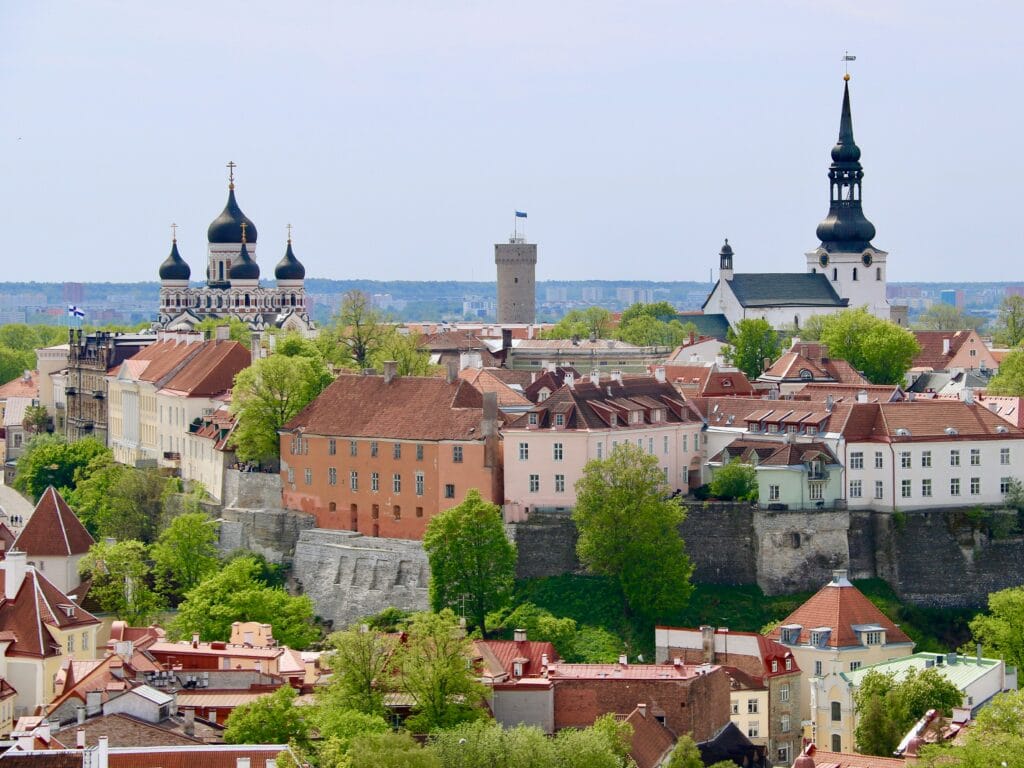
- Toompea Castle and Hill – Toompea Hill and castle standing on it – this is historic Estonian power center. 13th-century castle today houses Estonian Parliament (“Riigikogu”). Castle complex is adorned by “Tall Hermann” – 45-meter high tower, becoming symbol of Estonian independence. From Toompea observation platforms impressive views of old town and Baltic Sea open up.
- Alexander Nevsky Cathedral – Orthodox cathedral, built at end of 19th century, is brightest example of Russian architecture in Tallinn. Its five dome “onions” and rich interior decoration reflect traditional Russian church architecture. Cathedral stands in strategic location on Toompea Hill, opposite Estonian Parliament, and symbolizes complex Estonian and Russian historical relations heritage.
- TV Tower – 314-meter high Tallinn TV tower is tallest building in Estonia. Tower, opened in 1980 for Moscow Olympics, became symbol of Estonian independence struggles – in 1991 Soviet paratroopers attempted to seize it. Today visitors are offered interactive exhibition about telecommunications history, restaurant and observation platform at 170 meters height.
- Kadriorg Palace and Park – baroque palace and park ensemble, which Tsar Peter I began building at beginning of 18th century as summer residence. Palace houses Estonian Art Museum, exhibiting foreign art from 16th to 20th century. Park, designed following Versailles example, is popular recreation spot with Japanese gardens, flower beds and fountains.
- Rotermann Quarter – former industrial district between old town and port today transformed into modern urban complex. 19th-century industrial buildings – grain warehouses, mills and factories – were creatively adapted to contemporary needs. Design shops, restaurants, offices and cultural spaces are located here. Quarter’s architecture combines historic industrial heritage with bold contemporary solutions, creating unique urban atmosphere.
Tartu
Second largest city, often called Estonia’s education and cultural center.
Worth Visiting:
- University of Tartu – founded in 1632, University of Tartu is oldest and most prestigious university in Estonia. Main university building, built at beginning of 19th century in classicism style, is city’s architectural pride. Especially impressive is historic “Aula” hall, where ceremonial events take place. University building is decorated with Doric columns, and in its approaches famous student fountain is installed – popular meeting place. University not only educated many famous scientists, but also played important role in Estonian national awakening movement.
- Old Town Square – Tartu Old Town Square (“Raekoja plats”) is city center with characteristic “Leaning House” building and Town Hall. 18th-century Town Hall with elegant tower is example of classicism architecture. On square stands famous “Kissing Students” fountain sculpture, becoming city symbol. In summer square turns into culture and entertainment center, festivals, concerts and traditional Hanseatic Days take place here.
- Estonian National Museum– museum located in modern building opened in 2016 presents Estonian culture and history development from Ice Age to present day. Impressive building architecture – it’s like “runway”, symbolizing Estonian history continuity. Museum uses modern technologies, interactive exhibitions, presenting Finno-Ugric peoples’ culture, Estonian traditions and contemporary society.
- Toomemägi Park – historic park on hill is green oasis of city, where medieval castle once stood. Today two old castle towers remain in park, connected by “Angels'” and “Devils'” bridges. Park houses several university faculties, old observatory and anatomicum. This is popular recreation place among students and city residents, offering romantic walking paths and excellent city views.
- AHHAA Science Centre – modern interactive science center invites visitors to experience science through practical experiments and demonstrations. Center operates planetarium, laboratories and various exhibitions dedicated to physics, biology and technologies. Visitors can participate in science shows, experiment with robotics, try virtual reality technologies. Center is especially popular among families with children, because science is presented in playful form. Educational programs for schools are also organized and science popularization projects are implemented.
Pärnu
Summer capital, famous for resort traditions and beaches.
Don’t Miss:
- White Sand Beach – Pärnu is famous for its wide, white sand beaches, which are among most beautiful in Estonia. Beach stretches more than 2 kilometers, characterized by shallow shore, therefore especially suitable for families with children. In summer water here is warmer than on other Estonian coasts, and sand dunes provide protection from wind. Beach is deservedly called symbol of “Estonia’s summer capital”.
- Promenade and Spa Building – historic beach promenade with famous “Beach Park” is popular walking spot. Here stands elegant spa building built in 1930s – traditional resort building with restaurant and concert hall. On promenade you can find cafés, benches for rest and excellent sunset observation points. On summer evenings concerts and other cultural events take place here.
- Old Town – Pärnu Old Town is distinguished by well-preserved 17th-19th century architecture. Red tile roofs, ancient wooden houses and narrow streets create cozy atmosphere. Here you can see baroque-style “St. Elizabeth’s” Church, Red Tower – only surviving fragment of old city wall, and classicist Town Hall. In Old Town many cozy restaurants and artisan workshops operate.
- SPA Centers – Pärnu, as traditional resort, is famous for its SPA centers and wellness services. City operates several dozen modern SPA centers, offering mud baths, massages and various healing procedures. Many centers use local healing materials and traditional Estonian procedures. Here you can find both luxurious SPA complexes and cozy smaller wellness centers.
- Rannametsa – Tolkuse Nature Trail – near Pärnu “Rannametsa-Tolkuse” nature trail allows to get acquainted with unique coastal nature. 2.2 km long wooden boardwalk leads through swamp and dunes, offering opportunity to see rare plants and birds. In middle of route observation tower is installed, from which impressive view opens to Pärnu Bay and surrounding forests. This is excellent place for nature photography and peaceful relaxation in nature.
What Can Estonia Offer Gourmets to Try?
Estonian culinary – it’s simplicity, traditions and Nordic subtlety.
Traditional Dishes:
- Verivorst – traditional Estonian Christmas table star. This blood sausage is made from pork, barley groats, bacon, onions and spices, mixed with pig blood. Served hot with cranberry sauce and often eaten with sauerkraut.
- Kiluvõileib – popular Estonian cuisine sandwich. It’s made on black rye bread, spreading butter and placing Baltic sprats. Usually decorated with hard-boiled egg, onions and herbs. This is especially popular snack in cafés and homes.
- Mulgipuder – hearty traditional dish from southern Estonia’s Mulgi region. It consists of mashed potatoes, mixed with boiled barley groats. Served with cracklings and often eaten as main dish in winter.
- Rosolje – traditional Estonian beet salad, especially popular during holidays. It contains boiled beets, carrots, potatoes, apples, pickled cucumbers and herring, all mixed with mayonnaise. Each family has its own recipe.
- Must leib – dark rye bread, which is inseparable part of Estonian cuisine. It’s baked from fermented rye dough, often adding caraway. This bread is not just food, but also cultural symbol, traditionally considered sacred food.
- Kohuke – popular sweet snack, made from curd cheese, covered with chocolate. Available in various flavors – vanilla, cocoa, berries. This is especially loved by children, but popular among all age groups.
- Kama – unique Estonian grain mixture, made from roasted rye, wheat, barley and peas. Traditionally mixed with buttermilk or yogurt, sugar. In modern cuisine also used in dessert making, to give ice cream flavor.
Route Ideas to Make Traveling Around Estonia Easier
Weekend Trip:
-
Day 1: Tallinn Old Town and Kadriorg District
- Morning: Start with real classic Tallinn – Old Town! At Raekoja Square feel like medieval merchant’s client (or at least tourist with camera). Climb Town Hall tower – from there you can see everything, even where you’ll go for coffee later.
- Lunch: Find cozy café, taste Estonian cake (kohupiimatort – hard to pronounce, but delicious!).
- Day: Climb to Toompea Hill – no, mountain boots not needed, but prepare camera. Visit Toompea Castle, Alexander Nevsky Cathedral and admire Tallinn panorama from observation platforms.
- Afternoon: After rest and lunch travel to Kadriorg Park – Estonian president has good taste, because lives right here. Visit Kadriorg Palace (here not only beautiful, but also art museum) and modern KUMU.
- Evening: Finish day – in Rotermann Quarter. Historic architecture + modern restaurants = delicious and Instagram-worthy evening.
Day 2: Nature and Culture
- Morning: Lahemaa National Park – fresh air and aristocratic atmosphere, because you’ll visit at least one of excellent manors: Palmse, Sagadi or Vihula.
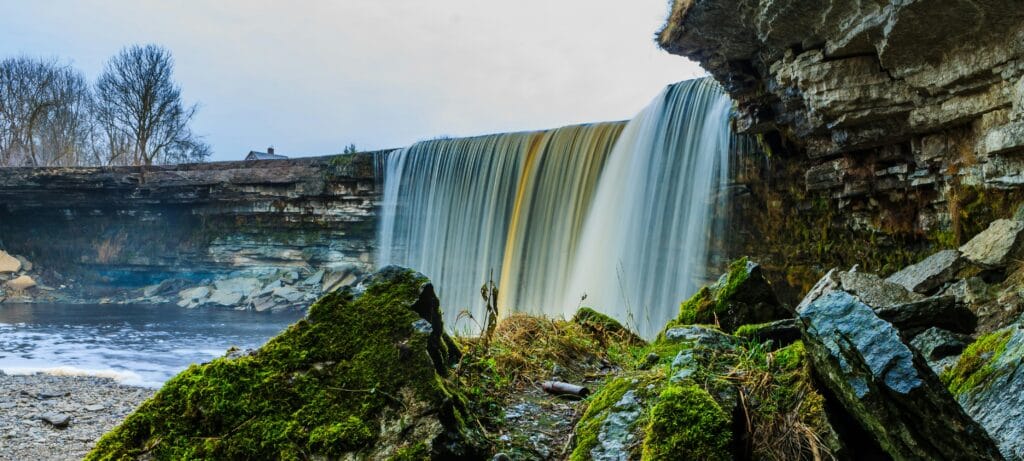
- Day: Go walk on Viru Bog trail – very aesthetic, even if wet. Then stop by Jägala waterfall – like mini Niagara, just Estonian style.
- Afternoon: Returning to Tallinn you can choose – modern entertainment at TV Tower or dark history at Patarei Prison.
- Evening: For trip’s end – dinner by sea. Fresh seafood, sound of waves, cozy evening.
Week-long Trip:
-
Days 1-2: Tallinn
- First day – Old Town, Kadriorg Park, Rotermann Quarter.
- Second day – museums: Estonian Maritime Museum, Photography Museum, TV Tower.
Days 3-4: Tartu
- Day 3: Estonia’s student heart. Walk around university courtyard, visit Old Town Square and Estonian National Museum.
- Day 4: Spend morning in Toomemägi Park – excellent place for slow walk. Then time to experiment at AHHAA Science Centre!
Day 5: Pärnu – Seaside Resort
- place where simply must walk barefoot on beach, enjoy SPA and taste local seafood.
Days 6-7: Saaremaa Island
- Day 6: Travel to Saaremaa – visit Kuressaare Castle (medieval vibes) and legendary windmills.
- Day 7: Walk along Panga Cliff, see Kaali meteorite crater. Evening – trip back to Tallinn.
Estonia Amazes With Its Nature
- Lahemaa National Park – oldest national park in Estonia, founded in 1971. It’s distinguished by contrasting nature – here you can find both stony peninsulas, and sandy beaches, and dense forests. Park has many historic manors, such as Palmse, Sagadi and Vihula. Visitors are especially charmed by boulder-strewn Käsmu Peninsula and authentic fishing villages.
- Saaremaa and Hiiumaa Islands – two largest Estonian islands, where authentic island lifestyle remains. Saaremaa is famous for its medieval Kuressaare Castle and traditional windmills. Hiiumaa is calmer, charming with its lighthouses and untouched nature. Both islands are perfect for bicycle tourism and peaceful relaxation.
- Soomaa National Park – unique because here annually occurs so-called “fifth season” – when in spring melting snow floods huge territories. Then local residents switch to canoes and boats. In park you can find huge swamps, primeval forests and river valleys.
- Matsalu National Park – one of most important bird migration stops in Europe. Here you can observe thousands of migrating birds, especially in spring and autumn. Park has special bird watching towers and trails installed.
- Jägala Waterfall – although not very high (only 8 meters), is widest natural waterfall in Estonia. In winter it often freezes forming impressive ice formations. In summer you can walk on trail behind waterfall and enjoy coolness.
Practical Tips for Travelers
- Estonia – one of digital progress leaders in world, many services provided online
- Public transport convenient and punctual, in Tallinn residents use free transport
- WiFi accessible almost everywhere, from cafés to parks
- Estonians speak English excellently, especially youth
- Card payment accepted everywhere, even in small shops
- Bike and scooter sharing system very popular
Main Events
- Tallinn Old Town Days: June. Colorful celebration dedicated to commemorating city’s history and culture. During festival various concerts, theatrical performances, tours of historic places, craft fairs and street artists’ performances take place.
- Midsummer (Jaanipäev): June 23–24. One of most important traditional celebrations. On this day people gather around bonfires, sing folk songs, dance and enjoy summer solstice celebration. Popular activities – jumping over fire, tasting traditional dishes and various folk customs. Especially many events take place in rural areas and islands, where authentic traditions are preserved.
- Tartu Music Weeks: July. Tartu – culture and science center, and in summer many musical events take place here. During Tartu Music Weeks various genre performers appear in city – from classical music to alternative rock and jazz.
- Tallinn Music Week: autumn. Music festival in Baltic region, attracting performers and visitors from all over world. Festival includes not only musical performances, but also various discussions, creative workshops and conferences on music and creative industries themes.
- Black Nights Film Festival: November. One of largest and most prestigious cinema events in Northern Europe. During festival Tallinn becomes attraction center for film lovers, where various international and local films are shown – from art house works to big budget premieres.
- Christmas Market in Tallinn: December. Tallinn Christmas Market is considered one of most beautiful in Europe. It takes place at Town Hall Square, where impressive Christmas tree is erected, decorated with thousands of lights. Here you can find various handmade items, traditional Estonian delicacies, warming mulled wine and enjoy festive atmosphere. Christmas market is accompanied by concerts, performances and various festive entertainments for children and adults.
Estonia – place where modernity merges with traditions, and each journey opens new impressions. Whether you’re interested in history, digital innovations, or simply seeking nature’s tranquility – this country will definitely leave indelible impressions.