 Greenland
Greenland: The World’s Largest Island Where Glaciers Meet Inuit Culture
Welcome to Greenland – a place where glaciers occupy more of the land than people keep ice in their refrigerators. Here almost 80% of the territory is under a thick layer of ice, but this doesn’t stop locals from living according to ancient Inuit traditions while enjoying the conveniences of the modern world. If you like impressive icebergs, magical northern lights and truly authentic Arctic culture – congratulations, you’ve found your dream destination!
Basic Information about Greenland
- Capital: Nuuk
- Area: 2,166,086 km²
- Population: ~56,000 (2024)
- Currency: Danish Krone (DKK)
- Language: Greenlandic (Kalaallisut) and Danish
- Time Zone: Different time zones (from GMT-4 to GMT-1)
- Status: Autonomous territory of Denmark
When is the Best Time to Travel to Greenland?
Spring (March-May)
if you want to experience a winter fairy tale with longer days. Snow still holds firmly, so it’s a great time for dog sled safaris – when else will you have the chance to race across white expanses with dogs pulling sleds faster than you drink your morning coffee? Temperature ranges from -10 to +5 °C, so prepare both a down jacket and sunglasses. By the way, this is also the last chance to see the northern lights before it hides until autumn.
Summer (June-August)
If you imagined Greenland only as a kingdom of eternal ice, summer will surprise you – here the sun shines around the clock, plants bloom like crazy, and temperature pleasantly ranges between +5 and +15 °C. This is the golden time for hiking when you can explore mountains without fear of sinking into snow with every step. Moreover, it’s the best time for boat tours where you can watch icebergs floating like giant ice cubes in your favorite drink. And if you like culture – various festivals and events will let you better know local people and their traditions.
Autumn (September-November)
Days get shorter, but that means only one thing – the northern lights show begins. If you want to see the sky painted with green and violet lights, autumn is your time. Temperature ranges from -5 to +5 °C, so you can still enjoy walks and even travel by boat, although ice is slowly starting to claim its territory. By the way, there are fewer tourists at this time, so you can peacefully admire nature without feeling like you’re in line at the most popular Instagram spot.
Winter (December-February)
If you want to see real winter – Greenland will offer that, snow crunches under your feet, and darkness envelops everything like a mystery – here it is, Greenland’s polar night. The sun here misses vacation and doesn’t appear for several weeks, but that only means the northern lights can appear at any moment. Temperature can drop to -20 °C, but if you dress warmly, there will be no problems.
Main Cities and Regions
Nuuk
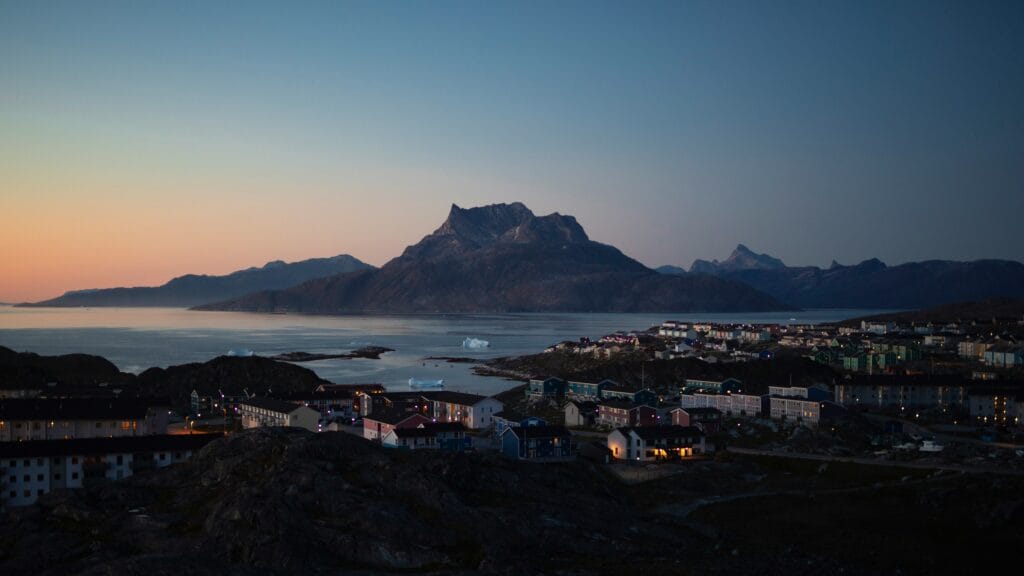
Nuuk – not only Greenland’s capital, but also a place where ancient Inuit traditions live alongside modern city rhythm. Here you’ll find colorful houses hiding among mountains and fjords, modern restaurants where you can taste the freshest fish, and museums telling about Greenland’s centuries-old history.
Although the city is not large (about 19,000 inhabitants), there’s no shortage of action – cultural events, art galleries, even bars and cafes where locals share stories about life in the Arctic. If you want to feel the real spirit of Greenland and see how Inuit culture merges with the 21st century world – Nuuk is your must-stop
Places to Visit:
- Greenland National Museum – a particularly valuable cultural center located on former seminary grounds. Besides the famous Qilakitsoq mummies (15th century woman and child mummies found perfectly preserved in permafrost), the museum displays a collection of traditional Inuit tools, clothing, boat models and artworks. The exhibition covers the period from the first inhabitants to the present day.
- Katuaq Cultural Center – this is not only an architectural masterpiece, but also the city’s most important cultural center. Its undulating wooden facade was inspired by the northern lights and traditional Inuit fur clothing. The center houses a cinema, concert hall, art gallery and restaurant offering traditional Greenlandic food.
- Nuuk Fjord System – the second largest fjord complex in the world. Here you can see giant icebergs, watch humpback and gray whales (best time – from June to September), as well as see seals. Local travel agencies offer various duration boat trips – from a few hours to full-day expeditions.
- Kolonihavnen – brightly colored houses represent Greenland’s colonial period. Each building is painted a different color according to its purpose: yellow – hospitals, red – trading houses, black – police stations. Today there are cafes, souvenir shops and museums here.
- Godthåb Cathedral – also known as Nuuk Cathedral, is a bright red building that has become one of the city’s symbols. This Evangelical Lutheran church was built in neo-romantic style and can accommodate about 450 people. Inside you can see traditional Inuit art combined with Christian symbolism – a great example of the fusion of two cultures. The church still operates today, with services regularly held in both Greenlandic and Danish.
- Hans Egede Monument – stands on a hill with impressive panoramic views of Nuuk Fjord. This bronze sculpture depicts Norwegian-Danish missionary Hans Egede, who in 1721 founded Nuuk (then called Godthåb) and began spreading Christianity in Greenland. For his activities he was nicknamed “Apostle of Greenland”. The monument not only commemorates an important historical figure, but has also become popular among tourists due to its excellent viewpoint – from here breathtaking views of the city and fjord open up. The monument is best visited at sunset when the bronze is painted golden colors.
- Nuuk Art Museum (Nuuk Kunstmuseum) – a modern museum exhibiting local artists’ work. Here you can see traditional Greenlandic art, including bone and stone carvings, as well as contemporary paintings and sculptures. The museum regularly holds changing exhibitions presenting new Greenlandic artists.
- Nuuk Center – the largest shopping center in Greenland, where you can not only shop but also get acquainted with local production. Here you’ll find traditional craft workshops, local designer shops and restaurants offering Greenlandic cuisine.
- Maligiaq Fjord – a popular place among local fishermen and tourists. Here you can rent a kayak and try the traditional Inuit way of sailing. The fjord is rich in fish, making it a great place for fishing. In summer, night kayak excursions are organized when the sun almost doesn’t set.
- Inuit Cafe – an authentic cafe located in a historic building. Here you can taste traditional Greenlandic dishes such as seal and whale meat, Arctic cod, reindeer. The cafe also offers traditional food cooking lessons.
- Nuuk Botanical Garden – although small, it’s unique as it’s the world’s northernmost botanical garden. Here grow local Arctic plants and flowers adapted to extreme climate conditions.
- Malik Sports Center – a modern sports complex with a swimming pool overlooking the fjord. Here you can not only swim but also watch local athletes training, including traditional Greenlandic sports.
Ilulissat
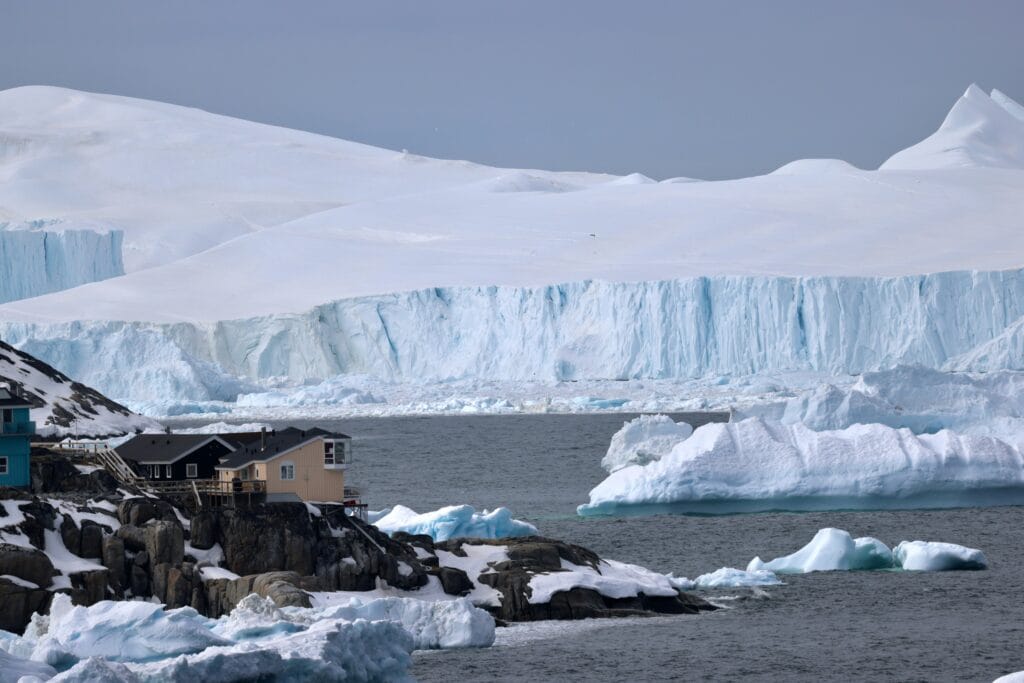
Imagine standing on the edge of a cliff, and in front – giant, snow-white and blue-shaded icebergs slowly drifting through the water. Welcome to Ilulissat – a place where nature really put in effort!
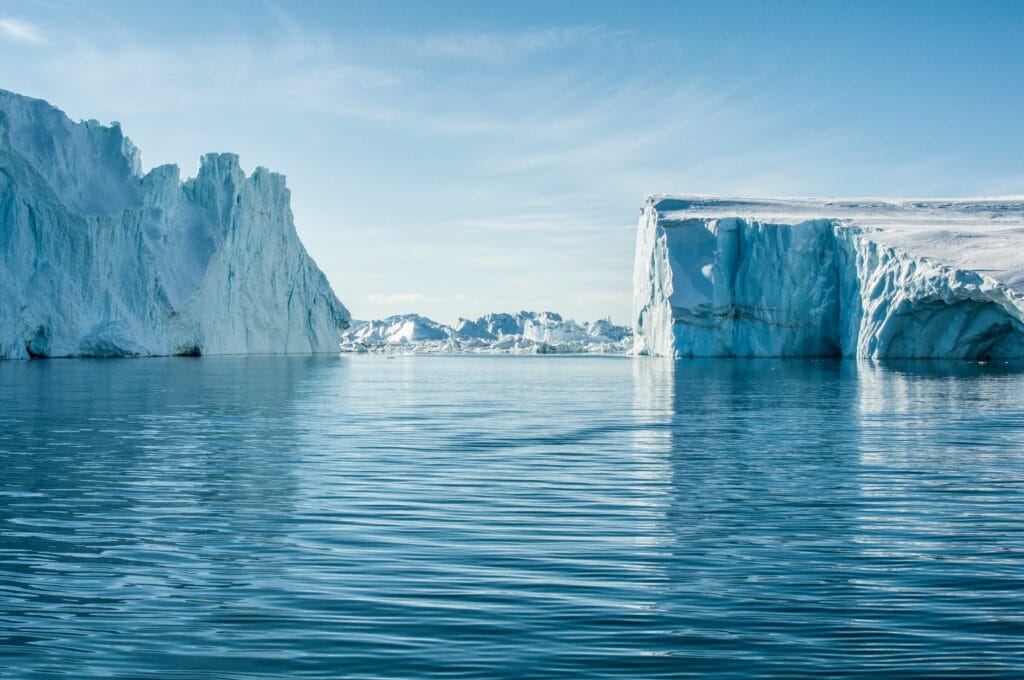
This Greenlandic town is a UNESCO World Heritage Site, and for good reason. Here lies the Ilulissat Glacier, which daily “produces” numerous new icebergs, larger than apartment buildings. Some of them are so impressive they could be called true works of natural art.
Locals here are quite relaxed – after all, when you live next to one of the world’s most active glaciers, there’s no point marveling at every “ice cube”. But for you, visitor, this place guarantees one thing: here nature is the boss, and it plays by its own rules.
Places to Visit:
- Ilulissat Glacier (Sermeq Kujalleq) – UNESCO World Heritage Site and one of the most impressive natural wonders in Greenland. This glacier moves at an incredible speed of 40 meters per day and is the most productive glacier in the northern hemisphere. Daily it “births” about 46 cubic kilometers of ice into the fjord. The best place to observe the glacier – specially arranged observation trails and platforms in Sermeq Kujalleq fjord.
- Sermeq Kujalleq Fjord – one of the most impressive natural wonders in Greenland and a UNESCO World Heritage Site. This fjord is unique in that you can observe the constant “birthing” process of icebergs: The fjord extends 40 kilometers and is the “birthplace” of the Ilulissat Glacier. When the glacier reaches the fjord, huge pieces of ice break off and become icebergs – this process is called “calving”. These newly “born” icebergs can reach up to 1 kilometer in height and weigh millions of tons.
- Knud Rasmussen Museum – the museum is set up in the famous explorer’s birthplace. The exhibition tells about his expeditions and discoveries, especially about his travels through Greenland and North America, where he documented Inuit culture and traditions. The museum displays original expedition tools, photographs and diaries.
- Zion Church – built in 1779, is one of the oldest churches in Greenland. Its bright red color and traditional architecture have become one of Ilulissat’s most recognizable symbols. Inside the church you can see traditional Inuit artistic details combined with Christian symbolism.
- Kalaaliaraq Market – the living pulse of the city, where local fishermen and hunters sell fresh catch. Here you can find various seafood, seal and whale meat, reindeer and traditional Greenlandic dishes. The market is a great place to get acquainted with local cuisine and communicate with locals.
- Ilulissat Isfjordscenter – a modern visitor center opened in 2021, designed by famous Danish architect Dorte Mandrup. The building is impressively integrated into the landscape and offers interactive exhibitions about glaciers, climate change and local culture. Breathtaking views of the fjord open from the building’s roof.
- Sermermiut Settlement Remains – an ancient Inuit settlement located 1.5 km from Ilulissat. Here you can see 4000-year-old archaeological remains and learn about three different Inuit cultures that lived here. The site has a wooden walkway with information boards.
- Disko Bay – one of the most productive whale watching areas in the world. From May to September you can see humpback whales, gray whales, minke whales and sometimes even orcas. Local agencies organize boat tours dedicated to whale watching.
- Ilimanaq Settlement – a small, authentic village 15 km south of Ilulissat. Here time seems to have stopped – colorful houses, dog sleds and traditional way of life. The village is famous for its excellent views of icebergs and peaceful atmosphere.
- Eqi Glacier – one of the most active glaciers in the area, accessible by boat. Here you can hear and see how huge ice pieces break off and fall into the water with tremendous noise – an unforgettable natural show.
Tasiilaq
Tasiilaq is a town on Greenland’s east coast, surrounded by dramatic mountains and fjords. This is one of the most isolated places in Greenland – there are no roads connecting it to other cities, so you can only get here by plane or boat. But this very isolation makes Tasiilaq unique – here you can experience true Arctic remoteness and pristine nature.
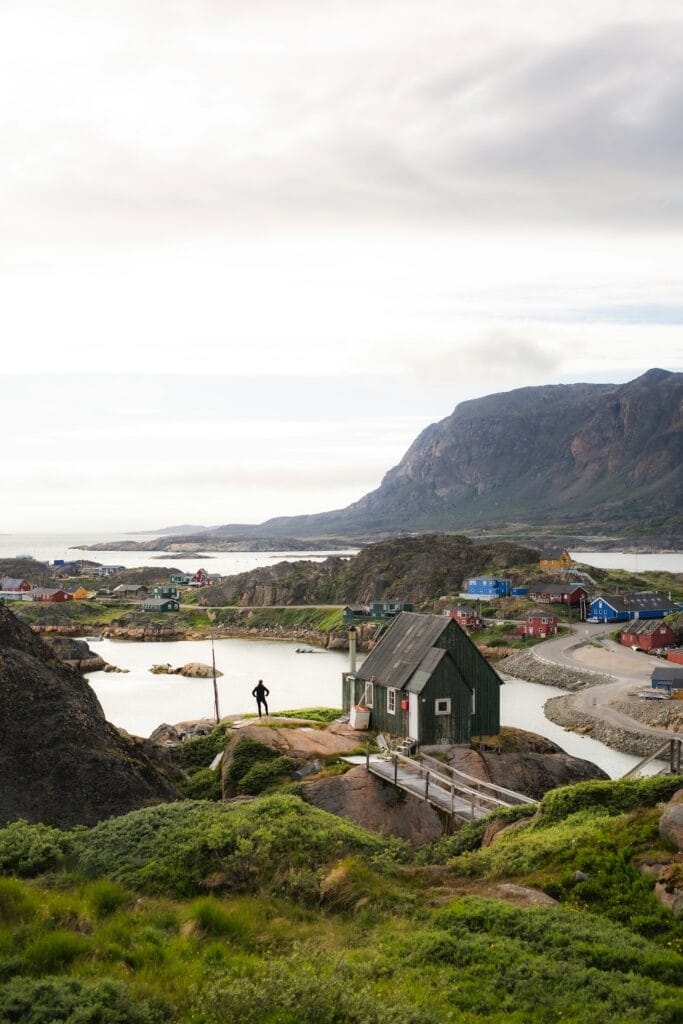
The town is famous for its colorful wooden houses standing on rocky shores, traditional Inuit culture and impressive landscapes. Winter here is especially magical – polar night, northern lights and snow-covered mountains create an atmosphere as if from another world.
Places to Visit:
- Valley of Flowers – during short summer this valley transforms into a colorful carpet of wildflowers. This is one of the most beautiful places in East Greenland, perfect for hiking and photography.
- Kulusuk Island – small island near Tasiilaq, famous for its dramatic landscapes and traditional Inuit villages. Here you can see how locals live according to ancient traditions – hunting, fishing and preserving their culture.
- Sermilik Fjord – one of the most impressive fjords in Greenland, filled with huge icebergs. Boat tours here offer unforgettable views and opportunities to see whales and seals.
- Tiniteqilaaq Village – remote traditional village accessible only by boat. Here you can see authentic Greenlandic way of life unchanged for centuries.
Qaqortoq
Qaqortoq is the largest town in South Greenland and one of the most picturesque in the country. The town is famous for its open-air art museum – around the city you can find about 40 stone and wooden sculptures created by both local and international artists. These sculptures blend perfectly with Greenlandic nature and colorful houses.
Qaqortoq is also known as Greenland’s cultural center – here are numerous art galleries, craft workshops and cultural events. The town has a milder climate than in the north, so summer here is particularly pleasant.
Places to Visit:
- Stone and Man Open Air Museum – unique art project where sculptures are integrated into urban space. Walking around the city, you can discover these artworks in the most unexpected places.
- Hvalsey Church Ruins – best-preserved Norse ruins in Greenland, dating from the 14th century. This place is testimony that Vikings once lived here.
- Qaqortoq Museum – tells about the city and region’s history, from first inhabitants to present day. Museum is located in historic buildings and has rich archaeological and ethnographic collections.
- Greenlandic Tannery – only commercial seal skin tannery in Greenland. Here you can see how traditional materials are processed and purchase authentic Greenlandic products.
- Great Greenlandic Fountain – colorful fountain in the city center that has become one of Qaqortoq’s symbols. Especially beautiful in summer when surrounded by blooming flowers.
Greenlandic Cuisine: Traditional Tastes of the Arctic
Greenlandic cuisine is based on what nature provides – fish, marine mammals, game. This is one of the most unique cuisines in the world because many ingredients are available only here.
Traditional Dishes Worth Trying:
- Suaasat – traditional soup made from seal, whale or reindeer meat with onions and potatoes. This is Greenland’s national dish, served at all special occasions.
- Mattak – whale skin with blubber, usually eaten raw. This is a traditional delicacy rich in vitamins, especially C.
- Kiviak – probably the most exotic Greenlandic dish. Small seabirds are fermented in seal skin for several months. Smells strong but is considered a delicacy.
- Ammassат – small Arctic fish similar to capelin, usually eaten dried. This is a popular snack.
- Greenlandic Halibut – local halibut is especially tasty, both fresh and smoked.
- Reindeer Meat – wild reindeer meat is tender and has unique taste. Usually prepared as steak or in soup.
- Crowberries – wild berries growing across Greenland. Used for jams, juices and desserts.
- Akutaq – traditional dessert called “Eskimo ice cream”, made from whipped fat with berries and sometimes fish.
Where to Eat in Greenland:
- Local Restaurants – in larger cities like Nuuk and Ilulissat you’ll find restaurants offering both traditional and modern Greenlandic cuisine. Many use local ingredients and create innovative dishes.
- Markets – best place to try authentic Greenlandic products. Here locals sell fresh catch and traditional foods.
- Home Visits – many tourists get opportunities to visit local families and try homemade food. This is the most authentic way to experience Greenlandic cuisine.
- Hotels – most hotels offer buffet breakfast with local products like smoked fish, local cheeses and breads.
Practical Tips for Greenland Trip
Weather: Preparing for Arctic Conditions
Greenland has Arctic climate meaning long cold winters and short cool summers. Temperature can vary greatly depending on region and season.
Winter (November-March) is particularly harsh – in northern parts temperature can drop to -30 °C or even lower. But this is also the best time to see northern lights and experience true Arctic winter.
Summer (June-August) is relatively mild – in southern parts temperature can reach +10 to +15 °C, while in the north it stays around +5 °C. This is the best time for hiking and exploring nature.
Always dress in layers and have quality windproof and waterproof clothing. Even in summer weather can change quickly, so preparation is key.
Transportation: Getting Around Greenland
Greenland has no road network connecting cities, so transportation here is unique:
- Airplane – main way to travel between cities. Air Greenland operates domestic flights connecting major towns.
- Boat – in summer boats and ferries sail along the coast. This is slower but more scenic way to travel.
- Dog Sleds – traditional transportation method still used, especially in northern parts. Many tour operators offer dog sled tours.
- Snowmobiles – popular winter transportation, especially for longer distances.
- Helicopter – used to reach remote places not accessible otherwise.
Budget Planning: Trip Costs
Greenland is one of the more expensive destinations in the world, but proper planning can help manage costs:
- Accommodation – hotels are expensive, but you can find hostels, guesthouses or rent apartments through Airbnb. Camping is also popular in summer.
- Food – restaurants are expensive, so buying groceries at supermarkets and self-catering can save significantly. Local markets offer fresh products at better prices.
- Transportation – flights are major expense. Book in advance for better prices. Boat travel is cheaper but slower.
- Activities – many natural attractions are free, but organized tours can be expensive. Consider independent exploration where possible.
- Equipment – if planning active recreation, consider renting equipment locally rather than bringing everything.
Communicating with Locals: Cultural Nuances
Greenlanders are known for hospitality and friendliness, but there are some cultural aspects to know:
- Language – official language is Greenlandic (Kalaallisut), but most people also speak Danish and many speak English, especially in tourist areas.
- Respect for Nature – nature is sacred to Greenlanders. Always follow “leave no trace” principles and respect wildlife.
- Hunting and Fishing – these are not just livelihood but part of cultural identity. Respect traditional practices even if they seem unusual.
- Privacy – Greenlanders value personal space. Always ask permission before photographing people.
- Punctuality – in small communities rhythm is slower. Don’t be surprised if things don’t happen exactly on time.
- Alcohol – there are strict alcohol regulations. Some towns have restrictions or bans.
A Few Useful Greenlandic Phrases:
- “Aluu” (Hello)
- “Qujanaq” (Thank you)
- “Ajunngitsoq” (You’re welcome)
- “Inuugujoq” (Bon appetit)
- “Baaj” (Goodbye)
Traditional Greenlandic Holidays and Events
National Holidays
- June 21 – National Day (Greenland’s longest day and autonomy celebration)
- January 1 – New Year’s Day
- January 6 – Epiphany
- Easter – major holiday celebrated across Greenland
- May 1 – Labor Day
- Ascension Day
- Whit Monday
- December 24-26 – Christmas
Main Cultural Events and Festivals
- National Day (June 21): Greenland’s biggest celebration, taking place across the country. Main events in Nuuk include:
- Official ceremonies with raising the Greenlandic flag
- Traditional costume parades through city streets
- Concerts featuring both traditional and modern music
- Sports competitions including kayaking, tug-of-war and traditional games
- Traditional food tastings
- Evening festivities with dancing and singing
- Aasivik (Summer Festival): July – held in Sisimiut, one of the most important summer events. Festival program includes:
- Traditional games and competitions
- Kayaking championships
- Music concerts from local and international artists
- Kaffemik tradition – when families invite guests home for coffee and traditional snacks
- Sports competitions including traditional disciplines like rope pulling or seal skin pulling
- Night concerts under the midnight sun
- Arctic Sounds: April – in Sisimiut has become an important cultural dialogue point. Festival program includes:
- Traditional throat singing performances
- Contemporary music concerts where traditional instruments are combined with modern ones
- Music creation workshops
- Cultural exchanges between local and international musicians
- Youth music programs
- Nuuk Nordisk Kulturfestival: October – stands out for its scale and diversity:
- Theater performances in multiple languages
- Contemporary dance performances
- Literature readings and author meetings
- Visual art exhibitions
- Street art events
- Culinary workshops with Nordic chefs
- Nuuk Snow Festival: March – art event where nature becomes a creative tool:
- International snow sculptor teams
- Night sculpture lighting creating magical atmosphere
- Interactive snow installations for children
- Ice sculpture creation lessons
- Photography competitions