 Hungary
Hungary: Danube Cruise, History and Culinary Traditions
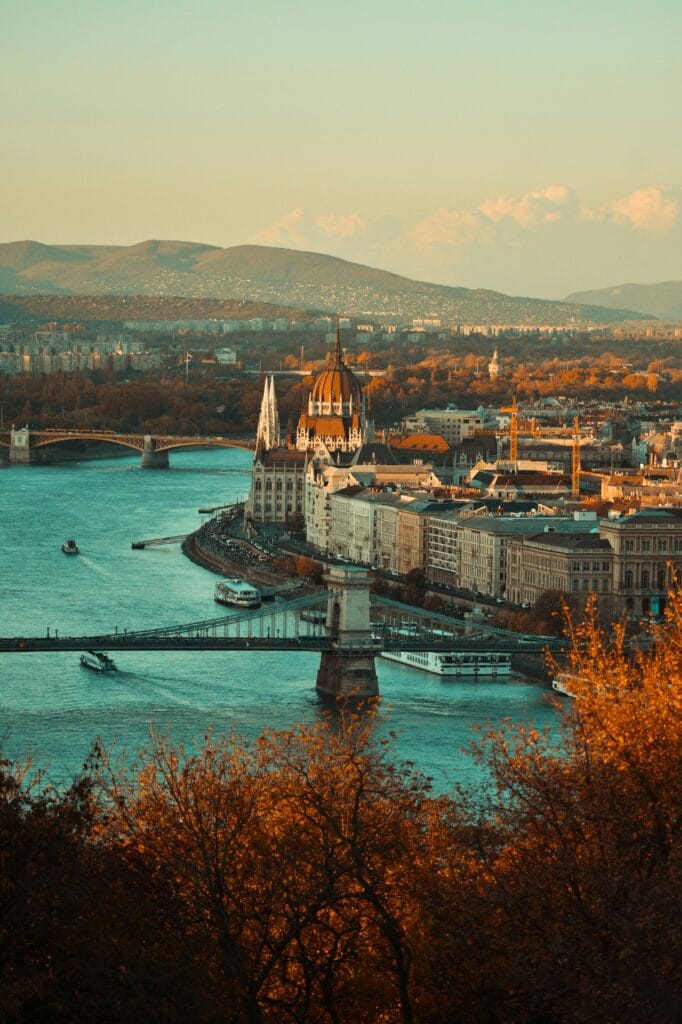
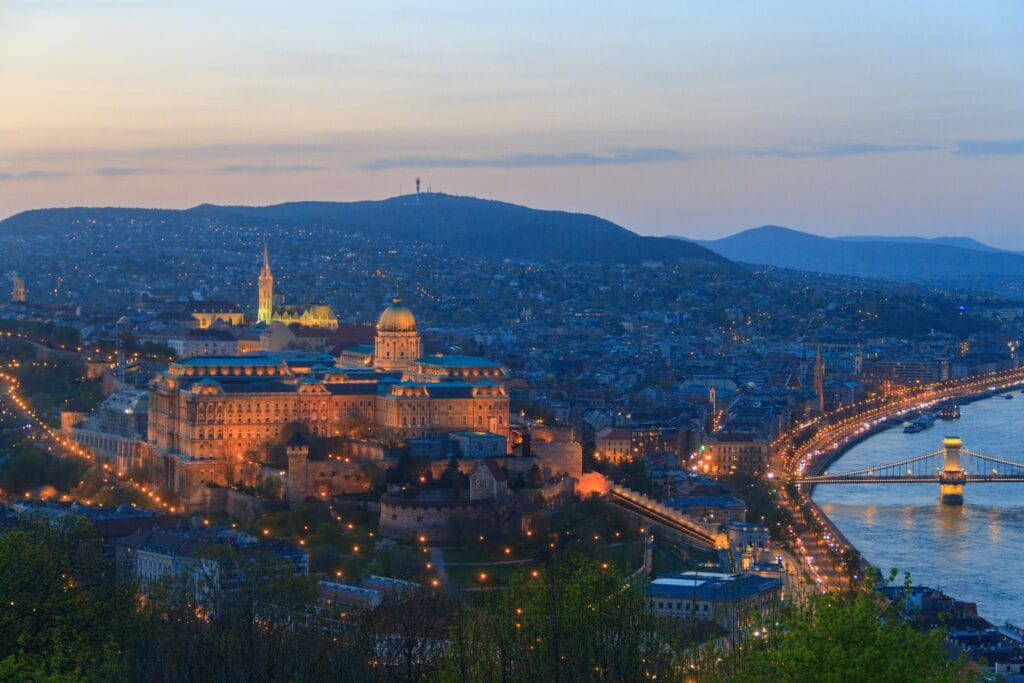
Hungary wasn’t at the top of my travel list, but as soon as I arrived, I realized – this country hides more than can be seen online. Photos cannot convey that feeling when you stand at Fisherman’s Bastion and see Budapest’s panorama unfolding before your eyes. The Danube flows between Buda and Pest, as if reminding us that here – millennia of history, architectural grandeur and the pulse of culture.
Basic Information about Hungary
- Capital: Budapest
- Area: 93,030 km²
- Population: ~9,700,000 (2024)
- Currency: Hungarian Forint (HUF)
- Language: Hungarian
- Time Zone: CET (GMT+1) / CEST (GMT+2) in summer
When to Travel to Hungary?
| Season | Temperature | Number of Tourists | Nature and Entertainment | Prices |
|---|---|---|---|---|
| Spring (March-May) | 10–20°C | Moderate | Blooming gardens, festivals, Easter celebrations | Moderate |
| Summer (June-August) | 25–35°C | Many | Lake Balaton pleasures, music festivals, outdoor cafés | Highest |
| Autumn (September-November) | 10–25°C | Few | Grape harvest, colorful forests, wine festivals | Lower |
| Winter (December-February) | -5–5°C | Moderate (except holidays) | Christmas markets, thermal pools, skiing in Matra mountains | Lowest (except holidays) |
During my March trip, the weather was just perfect – about 15 degrees, neither too hot nor too cold. A light spring jacket and off you go wandering the streets of Budapest without any trouble. Spring advantages? Blooming trees, fewer tourists and no queues at the most interesting places – as if the city had opened just for you.
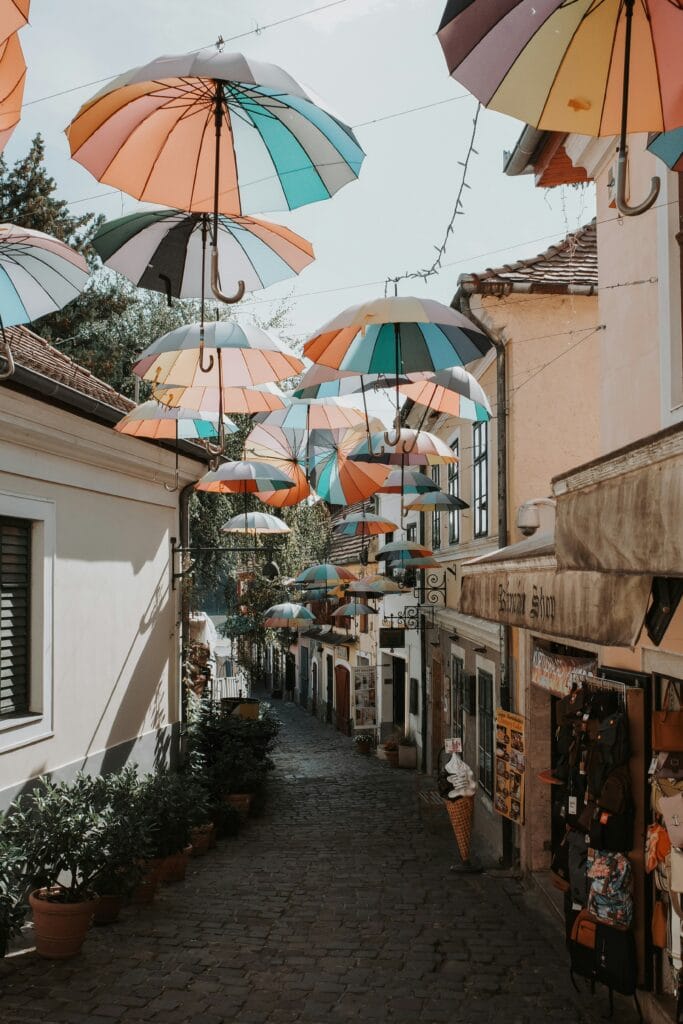
The morning in Szentendre was especially memorable. I wake up, look out the window – and there thousands of tree blossoms and the bends of the Danube, like from a postcard. A local guy joked: “In spring, our streets turn into a sea of flowers.” And you know, he wasn’t exaggerating – even Wikipedia says it’s one of the most beautiful towns in Hungary in spring. And I completely agree.
If you want to see Hungary in full vitality, then of course summer is the time. The temperature often rises above +30 degrees, but Lake Balaton and thermal pools provide excellent opportunities to cool off.
In autumn, the weather cools to 10–25 °C, the wine harvest season begins, especially in the Tokaj region.
If you like the Christmas period and festive atmosphere, then fly in winter. Budapest’s Christmas markets are famous throughout Europe. The temperature usually stays around 0 degrees, but the biggest advantage – thermal pools under the open sky, which become especially magical in winter.
Main Cities and Regions
Budapest: Capital and Cultural Center
Budapest – one of the most beautiful cities in Europe, consisting of two historic parts – the hilly Buda and the flat Pest, separated by the majestic Danube River.
My morning ritual in Budapest was to start the day at the “New York Café”, where I not only had great coffee but also felt like I had returned to Habsburg Empire times. Sitting here, the barista shared local favorite spots that you won’t find in tourist guides.
Places to Visit in Budapest:
- Fisherman’s Bastion – in my opinion, the best way to start getting to know the city. Climb this white stone structure and see all of Pest and the bends of the Danube. The architecture resembles a fairy-tale castle, and the panorama takes your breath away!
- Parliament – one of the most impressive neo-Gothic buildings in the world. Illuminated in the evenings above the Danube, it looks simply magical. Inside are kept the Hungarian crown and royal regalia – for history lovers this is an absolute treasure.
- Old Town and Váci Street – spending an afternoon walking the historic streets, stopping at authentic restaurants, tasting Hungarian goulash – it’s a great way to feel the pulse of the city. My discoveries: “Central Market Hall” – a huge marketplace where you can find everything from traditional souvenirs to fresh local products.
- Széchenyi Thermal Baths – where else in the world can you bathe in a 100-year-old neo-baroque building, in mineralized water, play chess right in the water? The contrast between the hot bath and cool air is simply divine.
Szentendre: Artists’ Town by the Danube
This was my unexpected discovery that I recommend to everyone who wants to see authentic Hungary. Szentendre – a colorful town located just 20 km from Budapest, which even many tourists don’t know about.
The train journey from Budapest Batthyány Square takes only 40 minutes, but when you arrive you feel like you’ve entered another world. The town is famous for its Serbian and Dalmatian architecture, art galleries and cozy streets!
The journey from Budapest to Szentendre is simple and cheap. You can go by HÉV suburban train, which runs regularly.
| From | To | Price | Ticket Purchase | Journey Time |
|---|---|---|---|---|
| Budapest (Batthyány tér) | Szentendre | ~2 EUR | Train stations, mobile app | ~40 min |
What to see in Szentendre:
- Main Square (Fő tér) – the heart of the town, where you’ll find the Plague Cross and Blagovestenska Church
- Margit Kovács Museum – the works of the famous Hungarian ceramist will blow your mind!
- Open-Air Ethnographic Museum (Skanzen) – a real village with authentic houses, workshops and demonstrations of folk crafts
- Danube Promenade – perfect for walking and photographing, especially at sunset
Traditional Hungarian Cuisine
Hungarian cuisine is one of the most flavorful in Europe. Paprika – this is not just a spice, but a national symbol that you’ll find in almost every dish. However, Hungarian cuisine is much more than goulash!
Traditional dishes I tried:
- Gulyás (Goulash) – actually it’s not a stew but a thick soup with meat, potatoes and, of course, paprika. I especially liked the way it’s served in a clay pot – it stays hot longer and tastes more intense.
- Lángos – deep-fried bread covered with sour cream and cheese. Some would call it “Hungarian pizza.” I ate it at a market stall and was surprised how simple ingredients can create such incredible taste.
- Halászlé – spicy fish soup made from freshwater fish, especially popular in towns along the Danube and Tisza. Color – bright red from paprika, taste – unforgettable!
- Pörkölt – what most foreigners imagine as goulash – a stew with meat and paprika. Enjoying it with traditional “nokedli” (small dumplings) is a real pleasure.
- Kürtőskalács – “chimney cake”, baked on a rotating spit, then rolled in sugar and cinnamon. Watching it being made at the market was as pleasurable as eating it.
- Túrós csusza – pasta with cottage cheese, cracklings and sour cream. At first it sounded weird, but it became my favorite dish! Simple, but incredibly delicious.
- Tokaji Aszú – one of the best dessert wines in the world. Its production process is unique – grapes are infected with “noble rot”, which creates a special taste. Tasting in the Tokaj region was one of my most memorable wine experiences.
Practical Travel Tips
Weather: Four Distinct Seasons
Hungary has a continental climate with four distinct seasons. Summers can be hot (up to +35°C), and winters quite cold (down to -10°C). In autumn and spring seasons the weather constantly changes, so you need to be prepared for various conditions.
Always have an umbrella and layer your clothes, even if the weather forecast looks perfect. In my travel backpack I always had a thin sweater even in summer – it came in handy on cooler evenings.
Transportation: Traveling Around Hungary
Public transportation in Hungary is reliable and relatively inexpensive. Trains connect major cities, and in Budapest the metro, trams and buses form an excellent network.
If you plan to travel to rural areas or smaller towns, it’s best to rent a car. Roads are in good condition, and navigation is simple.
Always check schedules before departure. The website MAVINFORM provides the latest information about train schedules and delays.
Budget Planning: Expense Optimization
Hungary is one of the cheapest EU countries for tourists, but there are ways to save even more:
- Accommodation: In Budapest prices are higher than in the provinces. I used “Airbnb” and hostels, which allowed me to save money for food. Look for accommodation outside the Great Ring (Nagykörút), where prices are lower.
- Food: Lunch at a traditional Hungarian restaurant (“étterem”) will cost about 10-15 euros. My strategy was to eat the main meal of the day at lunch, when many restaurants offer cheaper “daily menus,” and snack lighter in the evening.
- Water: Hungary’s tap water is safe to drink, but mineral water is very popular because of its taste. Try “Szentkirályi” or “Theodora” – the most popular local brands.
Communicating with Locals: Cultural Nuances
Hungarians are proud of their history and culture. They may seem serious at first meeting, but quickly reveal themselves as warm and hospitable people. The Hungarian language is unique and difficult – it doesn’t belong to either Slavic or Germanic language groups, but to the Finno-Ugric family.
A few useful Hungarian phrases:
- “Jó napot” (Good day)
- “Köszönöm” (Thank you)
- “Egészségedre” (Cheers!)
- “Beszél angolul?” (Do you speak English?)
Unforgettable Hungarian Experiences
1. Night Cruise on the Danube in Budapest
I remember sitting on the deck of a boat sailing on the dark Danube River, while illuminated historical buildings shone around me. The Parliament, Buda Castle, Fisherman’s Bastion – they all looked even more impressive in the darkness of night. It’s hard to describe that feeling in words – as if a time machine transported you to the past century.
The best time to sail – an hour before sunset, so you can see the city both in light and darkness. Many cruises offer dinner and traditional Hungarian wine.
2. Bathing in Széchenyi Thermal Baths in Winter
After a long day of walking around the city, I plunged into a +38°C hot pool under the open sky, while it was snowing around. +38°C water, steam rising around me, and on the horizon you can see the neo-baroque building and Városliget park.
Tip: Bring slippers and a swim cap – you might need them in some pool areas.
3. Wine Tasting in the Tokaj Region
I visited centuries-old wine cellars where “noble rot” grows on the walls. The tasting took place by candlelight, and the local winemaker told about wine-making traditions dating back to the 16th century.
Caution: Tokaji Aszú is stronger than it seems – taste in small sips!
Traditional Hungarian Holidays
National Holidays
- January 1 – New Year’s Day (Újév)
- March 15 – National Holiday (Nemzeti ünnep) – commemoration of the 1848 revolution
- August 20 – St. Stephen’s Day (Szent István ünnepe) – Hungarian State Foundation Day
- October 23 – National Holiday (Nemzeti ünnep) – anniversary of the 1956 revolution
Main Religious and Seasonal Holidays
- Farsangas (Carnival season between January 6 and Lent) – Shrovetide period
- Easter (March-April) – Celebrated throughout the country with unique regional traditions
- Pünkösd (Pentecost, May-June) – Religious holiday with folk traditions
- Szüreti Fesztivál (Harvest festivals, September-October) – Especially important in wine-growing regions
- Christmas (December 24-26) – Family holiday with traditional customs
Significant Regional Holidays
- Busójárás (February, Mohács) – UNESCO recognized carnival with wooden masks
- Budapest Spring Festival (March-April) – Most important cultural event in the capital
- Debrecen Flower Carnival (August) – Colorful parade with flower sculptures
- Sziget Festival (August, Budapest) – One of the largest music festivals in Europe
- Savaria Historical Carnival (August, Szombathely) – Roman era reconstruction
- Hortobágy Bridge Fair (August) – Famous folk crafts and traditions event
Folk Calendar Days
- St. Blaise’s Day (February 3) – Traditional ceremony in schools
- St. Martin’s Day (November 11) – Marked by goose dinner and new wine tasting
- St. Nicholas Day (December 6) – Mikulás (St. Nicholas) brings small gifts to children
- St. Lucy’s Day (December 13) – Folk customs related to marriage fortune-telling
Final Thoughts
In this country I felt the breath of history, the strength of traditions and the vitality of modern culture all at once.
I always suggest looking into how to save money when buying tickets.