 India
India 

India: Land of Colors, Flavors, and Spiritual Experiences
India is a place where every day looks like a colorful festival, and the air is saturated with the scents of spices, jasmine, and the joy of life. Here more than a billion people peacefully share space with hundreds of gods, while centuries-old traditions shake hands with the most modern technologies from Silicon Valley.
Basic Information About India
- Capital: New Delhi
- Area: 3,287,263 km²
- Population: ~1.4 billion (2025)
- Currency: Indian Rupee (INR)
- Languages: Hindi and English (official), 22 recognized regional languages
- Time Zone: IST (GMT+5:30)
- Status: Federal parliamentary democratic republic
When is the Best Time to Travel to India?
Winter (November-February)
This is the golden time for a trip to India – temperature ranges between pleasant +15 and +30°C, and rain rarely disrupts plans. Most festivals take place during this time: Diwali illuminates the sky with fireworks, while Holi turns streets into a color war. The Taj Mahal looks especially impressive in the morning when fog gradually disperses, revealing marble beauty. The only downside – plenty of tourists, especially in popular places like Rajasthan or Kerala.
Summer (March-June)
If you don’t fear heat that reaches +45°C in some regions, summer can be a great time to travel to the mountains. The Himalayas, Ladakh, and northeastern states reveal their beauty – blooming rhododendron forests, snow leopard tracks, and Buddhist monasteries in the clouds. Meanwhile, in the plains, it’s better to choose early morning or late evening for activities. Prices are lower and fewer tourists.
Monsoons (July-September)
Rain here doesn’t just fall – it floods streets, turns rivers into rushing streams, and refreshes all nature. Kerala and Goa become green like emeralds, while Ayurveda centers offer the best detoxification programs. Rajasthan’s deserts come alive, and the Taj Mahal, surrounded by raindrops, looks even more romantic. True, travel can be difficult due to floods, but if you’re flexible – you’ll experience the true magic of India’s monsoons.
Autumn (October-November)
After monsoons, India is reborn – the air is clean, nature is green, and the temperature is perfect for travel. Festival season begins – Navratri dances continue all night long, and Dussehra celebrates good’s victory over evil. This is the ideal time to explore the Golden Triangle (Delhi-Agra-Jaipur), cruise Kerala’s backwaters, or meditate in Rishikesh.
Main Cities and Regions
New Delhi
India’s capital is a city where Mughal Empire grandeur meets British colonial architecture, while modern shopping centers stand beside millennia-old monuments. Here rickshaw drivers virtuously navigate between Mercedes cars, and street vendors sell everything – from golden jewelry to steaming samosas. Old Delhi is chaotic, noisy, and absolutely charming with its narrow alleys, while New Delhi demonstrates modern India with wide boulevards and government buildings.
Places to Visit:
- Red Fort (Lal Qila) – UNESCO World Heritage Site, former residence of Mughal emperors. This massive red sandstone complex extends 2 km and hides magnificent palaces, mosques, and gardens. Every Independence Day, a flag-raising ceremony takes place here.
- India Gate – a 42-meter-high triumphal arch built during British times. Around the gate extends Rajpath Boulevard, where locals gather for evening walks, and street vendors offer various souvenirs and snacks.
- Qutub Minar – the world’s tallest brick minaret (73 m), built in the 12th century. The complex also has an iron pillar that hasn’t rusted for 1,600 years – scientists still can’t explain this phenomenon.
- Humayun’s Tomb – the first example of Mughal garden-tombs, inspiring the Taj Mahal’s construction. The combination of red sandstone and white marble, surrounded by geometric gardens, creates perfect symmetry.
- Lotus Temple – a modern Bahai faith shrine designed in the shape of a lotus flower. 27 marble “petals” form unique architecture, and inside holds 2,500 people. Entry is free for everyone, regardless of faith.
- Chandni Chowk – one of Old Delhi’s oldest and noisiest markets. Narrow alleys full of shops trading spices, jewelry, textiles, and traditional food. Here you must try street food – paratha, chaat, and lassi.
- Akshardham Temple – the world’s largest Hindu temple complex, opened in 2005. Pink sandstone and marble structures are adorned with thousands of sculptures. In the evenings, an impressive musical fountain show takes place.
- National Museum – India’s largest museum with a collection of 200,000 exhibits covering 5,000 years of history. Particularly valuable is the Harappan civilization collection and Buddhist art collection.
- Raj Ghat – Mahatma Gandhi’s cremation site on the Yamuna River. A simple black marble memorial with an eternal flame – an important pilgrimage site.
- Connaught Place – a colonial-era shopping center with circular architecture. Today it’s full of restaurants, cafes, shops, and nightclubs.
Mumbai
Bollywood’s capital, city of dreams, financial center – Mumbai has many names and even more faces. Here movie stars live in skyscrapers next to Asia’s largest slums, and street food competes with Michelin-level restaurants. The Arabian Sea washes the Marine Drive coast where Mumbaikars gather to watch sunsets, while Victorian-era architecture reminds of British colonial legacy. This is a city that never sleeps and always has something to offer.
Places to Visit:
- Gateway of India Mumbai – an iconic triumphal arch-style monument on the Arabian Sea. Built in 1924 as a greeting to British King George V. From here, boats depart to the famous Elephanta Island.
- Chhatrapati Shivaji Terminus – UNESCO-protected railway station building, a Victorian-era Gothic masterpiece. Serves 3 million passengers daily and is one of Mumbai’s most photographed places.
- Marine Drive – a 3.6 km coastal promenade called the “Queen’s Necklace” due to night lighting. Ideal for walks, especially at sunset.
- Elephanta Caves – UNESCO World Heritage Site on an island, reached by boat. 6th-8th century caves with Hindu sculptures, especially impressive is the three-faced Shiva sculpture.
- Haji Ali Dargah – Muslim shrine and mosque built on an island 500 meters from shore. Reachable only via a narrow path that opens during low tide.
- Siddhivinayak Temple – one of India’s most popular Ganesha temples. On Tuesdays, thousands of believers gather here, including Bollywood stars.
- Crawford Market – historic market operating since 1869. Here you can find everything – from fresh fruits and vegetables to household items and souvenirs.
- Dharavi – one of Asia’s largest slums, but also a thriving community with its own economy. Ethical tours are organized showing real life and entrepreneurship.
- Bollywood Studio Tours – opportunity to see how Indian films are made. Film City covers 520 acres and is one of the world’s largest film studios.
- Dhobi Ghat – the world’s largest open-air laundry where hundreds of washermen (dhobis) daily wash thousands of kilograms of clothes from hotels and hospitals using traditional methods.
Jaipur (Pink City)
Rajasthan’s capital, called the Pink City due to the color of old town buildings. Here forts, palaces, and bazaars create a fairy-tale oriental atmosphere.
Must-See:
- Amber Fort – magnificent 16th-century fort on a hilltop. Amber and mirror-decorated halls, geometric gardens, Sheesh Mahal (Mirror Palace). Can be reached on elephant back or by jeep.
- Hawa Mahal (Palace of Winds) – iconic pink sandstone building with 953 small windows. Built for royal women to observe street life without being seen. Five-story structure resembling a honeycomb.
- City Palace – still partly inhabited by Jaipur’s royal family. Museum with royal costumes, weapons, miniature paintings. Impressive architecture combining Rajput, Mughal, and European styles.
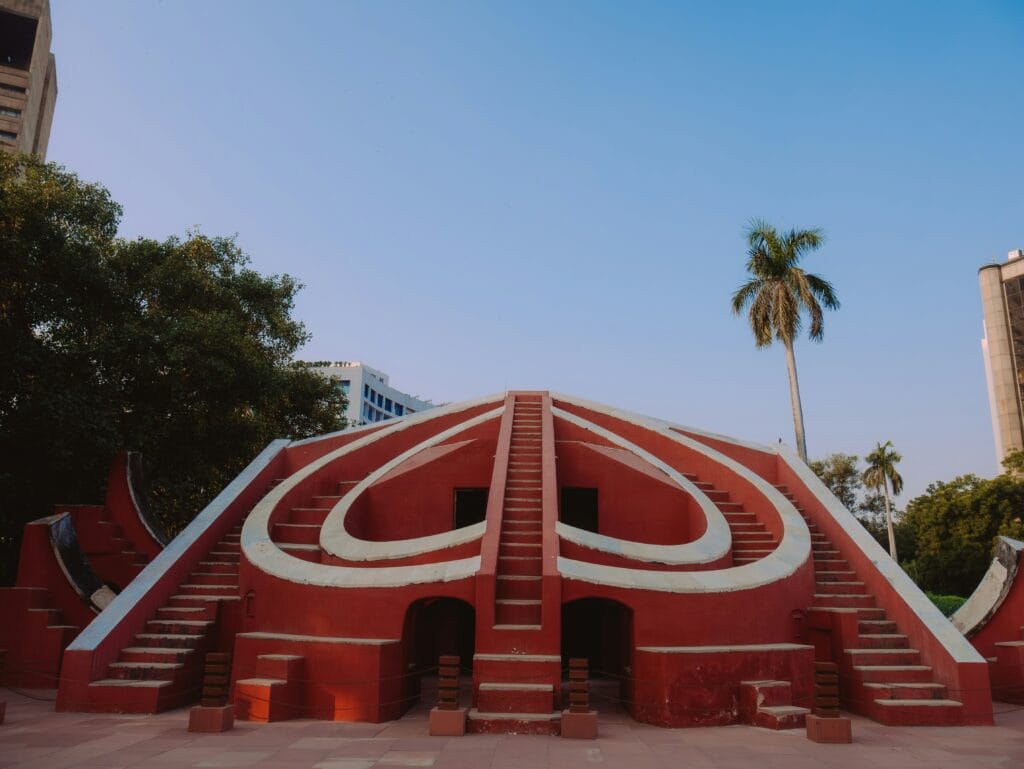
- Jantar Mantar – UNESCO-protected 18th-century astronomical observatory. 19 architectural astronomical instruments still accurately determining time, celestial positions. The largest sundial in the world.
- Jal Mahal – romantic “Water Palace” in the middle of Man Sagar Lake. Five-story building, four floors under water. Especially beautiful at sunset. Can only be viewed from shore.
- Nahargarh Fort – hilltop fort offering best views of entire Jaipur. Especially impressive at sunset when the pink city glows in the sun’s rays. Has well-preserved palaces and gardens.
- Albert Hall Museum – Rajasthan’s oldest museum with Indo-Saracenic architecture. Rich collection of artifacts – from miniature paintings to carpets, metal works, jewelry.
- Bapu Bazaar and Johari Bazaar – traditional markets where you can buy everything from textiles, jewelry, spices to handicrafts. Perfect place for bargaining and buying souvenirs.
Agra and Taj Mahal
Agra is inseparable from the Taj Mahal – one of the New Seven Wonders of the World and the world’s most famous love monument.
Worth Visiting:
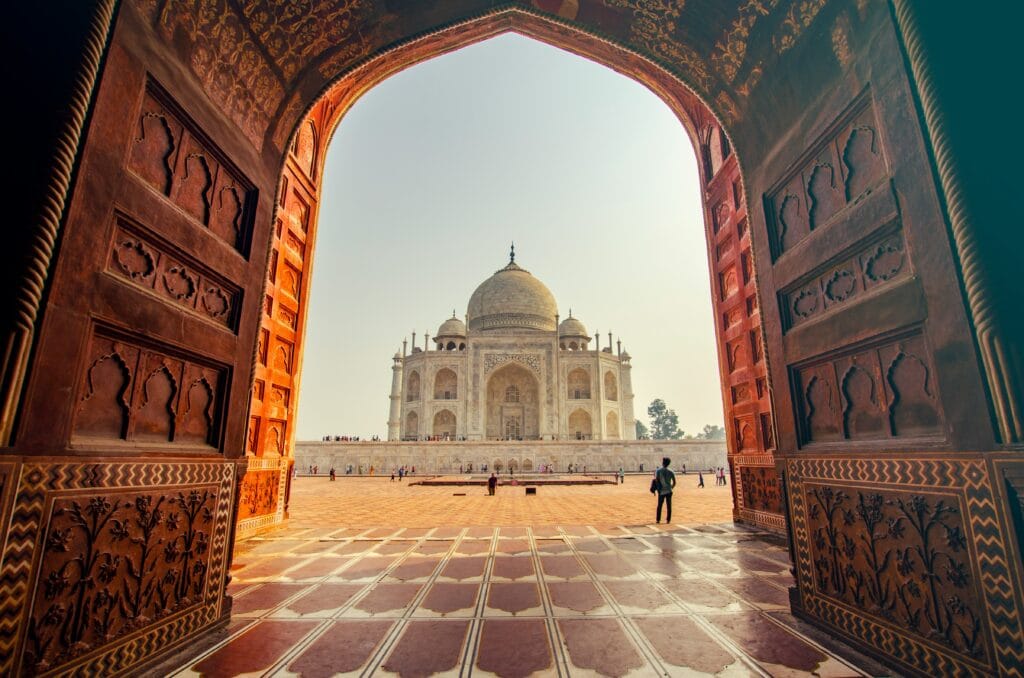
- Taj Mahal – Emperor Shah Jahan built this white marble mausoleum in memory of his beloved wife Mumtaz Mahal. Construction took 22 years (1632-1653) and involved 20,000 workers. The entire structure changes color depending on light – pink at dawn, white during the day, golden at sunset, pearly at night. UNESCO World Heritage Site and one of the world’s most photographed buildings.
- Agra Fort – massive red sandstone fortress, UNESCO site. Functioned as Mughal emperors’ residence before Delhi. Impressive palaces, mosques, audience halls. Best view of Taj Mahal from the fort.
- Fatehpur Sikri – 16th-century abandoned city, Mughal Emperor Akbar’s capital for 14 years. Perfectly preserved palaces, mosques, courtyards. Buland Darwaza – the world’s tallest gateway. UNESCO World Heritage Site.
- Mehtab Bagh – “Moonlight Garden” on the opposite bank of Yamuna River. Best place for Taj Mahal sunset photos without crowds. Perfectly aligned with Taj Mahal.
- Itmad-ud-Daulah (Baby Taj) – smaller mausoleum called “Taj Mahal’s draft.” First Mughal structure entirely from white marble, decorated with precious stone inlays. More intimate and less crowded than Taj Mahal.
Goa
India’s smallest state, but most popular beach resort. Portuguese colonial heritage, laid-back atmosphere, nightlife.
Places to Visit:
- North Goa beaches – Anjuna, Vagator, Arambol – famous for beach parties, trance music, hippie culture. Flea markets, beach shacks, yoga centers. More youthful and active atmosphere.
- South Goa beaches – Palolem, Agonda, Benaulim – quieter, cleaner beaches. Luxury resorts, romantic atmosphere. Perfect for families and quiet relaxation.
- Old Goa – former Portuguese capital, UNESCO site. Impressive Baroque churches – Bom Jesus Basilica (St. Francis Xavier’s body), Se Cathedral. Portuguese architecture and colonial atmosphere.
- Spice Plantations – tours through spice plantations where you can see and learn about growing black pepper, cardamom, vanilla, cinnamon. Traditional Goan lunch included.
- Dudhsagar Falls – one of India’s tallest waterfalls (310 m), translates as “Sea of Milk.” Especially impressive during monsoon season. Reachable by jeep through jungle.
- Fort Aguada – 17th-century Portuguese fort with well-preserved lighthouse. Excellent views of Arabian Sea. Popular sunset watching spot.
- Saturday Night Market – Arpora’s famous market with hippie atmosphere. Handmade goods, clothes, jewelry, street food, live music. Open only on Saturdays from November to April.
Kerala (God’s Own Country)
Southern state famous for backwaters, Ayurveda, tea plantations, unique culture.
Must Experience:
- Backwaters cruise – traditional houseboat (kettuvallam) trip through Alappuzha or Kumarakom canals. One-night cruises with traditional Kerala food, observing daily life along canals. Especially beautiful during sunset.
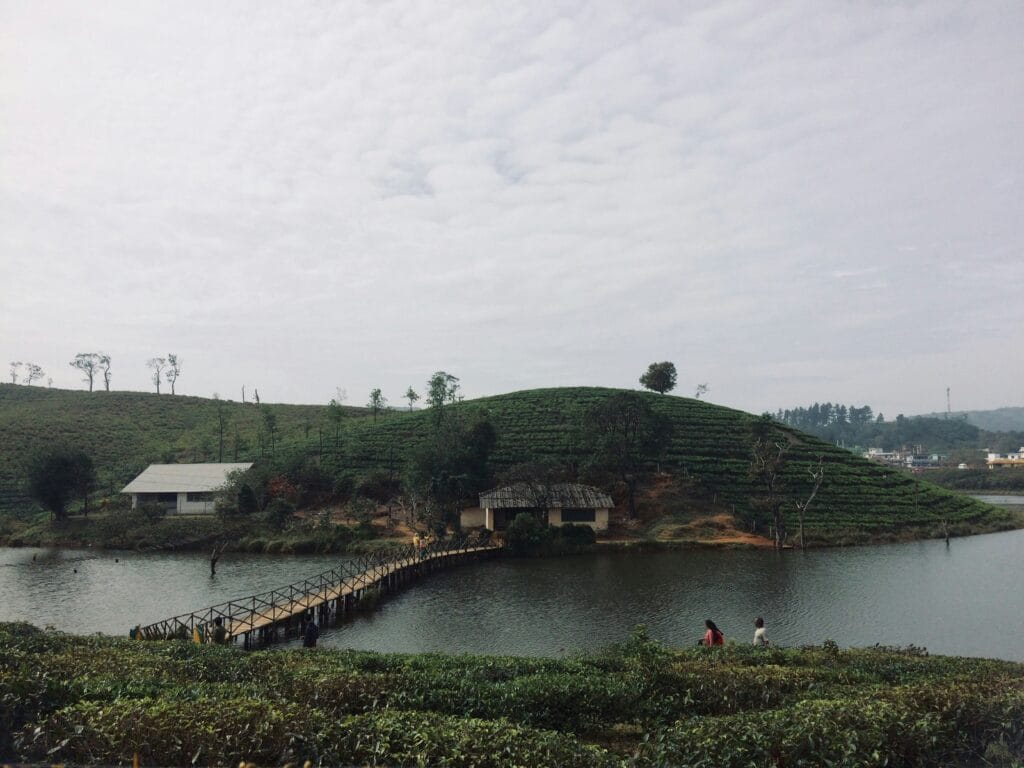
- Munnar tea plantations – hill station 1,600 m above sea level. Endless tea plantation fields, Eravikulam National Park with Nilgiri tahrs, Mattupetty Dam. Cool climate, waterfalls, trekking opportunities.
- Kathakali performances – traditional Kerala classical dance-drama. Performers in elaborate costumes and makeup, expressive facial expressions, hand gestures. Often based on Hindu epics.
- Kalaripayattu – ancient Indian martial art, originated in Kerala. Demonstrations can be seen in specialized centers. The martial art that influenced many Asian fighting styles.
- Periyar Wildlife Sanctuary – national park in Western Ghats. Elephants, tigers, Indian bison, various bird species. Boat safaris on Periyar Lake, bamboo rafting, jungle treks.
- Fort Kochi – historic district with colonial heritage. Chinese fishing nets (installed by Chinese merchants in 14th century), St. Francis Church (Vasco da Gama’s burial place), Dutch Palace, Jewish Synagogue. Art galleries, antique shops, seafood restaurants.
- Varkala Beach – unique beach with cliffs, natural springs. Quieter alternative to Kovalam. Yoga centers, Ayurveda massage centers, cliff-top restaurants with ocean views.
- Ayurveda treatments – Kerala is the Ayurveda center. Authentic massage centers, detox programs, yoga retreats. From short massages to week-long Panchakarma treatments.
Varanasi (Benares)
Holiest Hindu city, one of the world’s oldest continuously inhabited cities (3,000+ years). Spiritual center where life and death meet.
Unique Experiences:
- Ganges Ghats – over 80 stone steps (ghats) leading to sacred Ganges River. Most famous – Dashashwamedh Ghat (evening Ganga Aarti ceremony with fire, bells, chants), Manikarnika Ghat (cremation ghat where bodies burn 24/7). Early morning boat ride on Ganges offers unique perspective on city life.
- Sarnath – where Buddha gave his first sermon after enlightenment. Important Buddhist pilgrimage site. Dhamek Stupa, Ashoka Pillar, Archaeological Museum with Buddha sculptures.
- Kashi Vishwanath Temple – one of twelve Jyotirlingas (Shiva temples). Gold-covered dome, constant flow of pilgrims. Non-Hindus cannot enter, but can observe from distance.
- Morning rituals – wake up before sunrise and observe yoga practitioners, priests performing pujas, pilgrims bathing in Ganges. City wakes up with temple bells and chants.
- Banarasi silk weaving – visit workshops where world-famous Banarasi saris are made. Intricate gold and silver thread designs. Can buy authentic silk products.
- Street food tour – Varanasi is famous for chaat, kachori, jalebi, lassi. Kashi Chaat Bhandar, Blue Lassi Shop – legendary places. Golgappa (pani puri) on streets.
- Music and culture – Varanasi is classical music center. Evening concerts at ghats, music schools. City has unique spiritual and artistic atmosphere.
Ladakh (Little Tibet)
High-altitude mountain region, “Land of High Passes.” Buddhist culture, dramatic landscapes, adventure.
Not to Miss:
- Leh – Ladakh’s capital at 3,500 m altitude. Leh Palace (mini Potala Palace), Shanti Stupa with panoramic views, vibrant bazaar. Base for all Ladakh travels.
- Pangong Lake – famous after “3 Idiots” movie. 134 km long lake, 60% in Tibet. Incredible color changing water – from blue to green and turquoise. Can camp on shore overnight.
- Nubra Valley – accessible via world’s highest motorable pass Khardung La (5,359 m). Sand dunes in Hunder with double-humped Bactrian camels. Diskit Monastery with 32 m Maitreya Buddha statue.
- Monasteries – Thiksey (mini Potala), Hemis (largest and wealthiest), Lamayuru (oldest, moon landscape). Morning prayers with monks, butter lamps, thankas, prayer wheels.
- Tso Moriri Lake – higher and more remote than Pangong. Part of wetland reserve. Few tourists, pristine nature, nomadic camps.
- Magnetic Hill – optical illusion where vehicles appear to defy gravity and roll uphill. Popular photo spot on Leh-Kargil route.
- Zanskar Valley – most remote part of Ladakh. Frozen river trek (Chadar Trek) in winter. Dramatic gorges, isolated villages, authentic culture. For adventurous travelers.
- Best time to visit – June to September (roads open). July-August warmest. Winter (January-February) – Chadar Trek, but extremely cold (-20 to -30°C).
What Does India Offer Food Lovers?
Indian cuisine is one of the world’s most diverse – each state has unique dishes, spices, and cooking methods.
Popular Dishes:
- Butter Chicken – Delhi’s most famous dish. Tender chicken pieces in creamy tomato-butter sauce with aromatic spices. Served with naan or rice.
- Biryani – layered rice dish with meat (chicken, lamb, goat) or vegetables. Each region has its version – Hyderabadi, Lucknowi, Kolkata. Rice cooked with saffron, spices, sometimes garnished with boiled eggs, fried onions.
- Masala Dosa – South Indian specialty. Thin crispy crepe from fermented rice and lentil batter, stuffed with spiced potato filling. Served with sambar (lentil soup) and chutneys.
- Tandoori – dishes cooked in clay oven (tandoor). Tandoori chicken marinated in yogurt and spices, naan bread, paneer tikka. High temperature gives unique smoky flavor.
- Dal – lentil dishes, Indian cuisine base. Different varieties – dal makhani (black lentils with cream), dal tadka (yellow lentils with spices), sambar (South Indian lentil soup with vegetables).
- Paneer dishes – fresh cheese used in many North Indian dishes. Palak paneer (spinach with cheese), paneer tikka masala, paneer butter masala.
- Chaat – category of Indian street snacks. Pani puri (crispy balls with spicy water), bhel puri (puffed rice salad), samosa chaat, papdi chaat. Sweet, sour, spicy, crunchy flavors.
- Thali – traditional meal on metal tray. Includes several curries, dal, rice, roti, raita (yogurt), pickles, dessert. Portion sizes vary, some restaurants offer unlimited thali.
- Sweets (Mithai) – Indian desserts very sweet, milk-based. Gulab jamun (sweet balls in syrup), jalebi (syrup-soaked spirals), rasgulla (cheese balls in syrup), barfi (milk fudge).
- Chai – Indian tea with milk, sugar, and spices (ginger, cardamom, cloves). Sold at every corner by chaiwalas. Best for 10-20 rupees from street vendors.
Regional Specialties:
- North India – rich, creamy curries, wheat bread (roti, naan, paratha), tandoori dishes. Mughlai cuisine influence.
- South India – rice-based, coconut, curry leaves, tamarind. Dosas, idlis, vadas, sambar, rasam. Lighter and spicier than north.
- Goa – seafood, Portuguese influence. Vindaloo, fish curry, prawn balchao, bebinca (layered dessert).
- Kerala – coconut, seafood, spices. Appam with stew, fish moilee, Kerala parotta, beef fry (in Christian/Muslim areas).
- Rajasthan – spicy vegetarian food. Dal baati churma, laal maas (spicy mutton), ker sangri, ghevar (dessert).
- Bengal – fish, rice, sweets. Machher jhol (fish curry), kosha mangsho (mutton), sandesh, rosogolla.
Travel Itinerary Ideas
Weekend Trip (3-4 days):
- Golden Triangle Express: Delhi (1 day) → Agra (1 day, Taj Mahal) → Jaipur (1-2 days)
- Goa Getaway: Beaches, parties, Portuguese heritage
- Kerala Weekend: Kochi + Munnar or backwaters cruise
One Week Trip:
- Classic North India: Delhi (2 days) → Agra (1 day) → Jaipur (2 days) → Pushkar or Udaipur (2 days)
- Kerala Tour: Kochi (2 days) → Munnar (2 days) → Backwaters (1 day) → Beach resort (2 days)
- Spiritual Journey: Rishikesh (3 days, yoga/meditation) → Haridwar (1 day) → Varanasi (3 days)
Two Weeks Trip:
- Best of North India: Delhi (2-3 days) → Agra (1 day) → Jaipur (2 days) → Udaipur (2 days) → Varanasi (2-3 days) → Khajuraho (1 day) → Delhi (1 day)
- South India Circuit: Mumbai (2 days) → Goa (3 days) → Hampi (2 days) → Mysore (1 day) → Kochi (2 days) → Munnar (2 days) → Backwaters (1 day) → Beach (2 days)
- Himalayan Adventure: Delhi (1 day) → Rishikesh (3 days) → Shimla (2 days) → Manali (3 days) → Dharamsala/McLeod Ganj (3 days) → Amritsar (2 days)
Three Weeks+ (Full Experience):
- Golden Triangle + Rajasthan: Delhi → Agra → Jaipur → Pushkar → Udaipur → Jodhpur → Jaisalmer (desert safari)
- Spiritual + Mountains: Varanasi → Bodhgaya → Kolkata → Darjeeling → Sikkim → Ladakh
- Complete South: Mumbai → Goa → Karnataka (Hampi, Mysore, Coorg) → Kerala (Kochi, Munnar, backwaters, beaches) → Tamil Nadu (Madurai, Pondicherry)
Practical Travel Tips
- Visa: Most tourists need e-visa (apply online 4-7 days before travel). Tourist visa valid 30-90 days. Double-check requirements as they change.
- Vaccinations: Recommended but not mandatory – hepatitis A/B, typhoid, tetanus. Malaria prophylaxis if traveling to rural/jungle areas.
- Best travel period: October-March (most regions). April-June hot. July-September monsoons (can be difficult but has charm).
- Clothing: Conservative – cover shoulders and knees, especially in temples. Bring light, breathable fabrics. Shawl/scarf useful. Comfortable walking shoes.
- Transportation:
- Domestic flights – fastest, relatively cheap (IndiGo, SpiceJet, Air India)
- Trains – experience Indian railways. Book in advance (1-2 months) on IRCTC.co.in. Sleeper AC recommended for long journeys
- Private drivers – comfortable, flexible. Can negotiate for multi-day trips
- Tuk-tuks (auto-rickshaws) – cities, always negotiate price before
- Uber/Ola – available in major cities, easiest option
- Buses – economical but not always comfortable alternative
- Money: Indian Rupee (INR). ATMs widely available in cities. Credit cards accepted at larger hotels and restaurants, but cash necessary at smaller places and markets. Exchange money only at official places.
- Safety and health:
- Drink only bottled water, avoid ice cubes
- Be careful with street food – choose popular places
- Use mosquito repellents
- Have diarrhea medicine
- Beware of pickpockets in tourist places
- Cultural tips:
- Remove shoes before entering temples and homes
- Use right hand for eating and greeting
- Public physical contact between opposite sexes unusual
- Photograph people only with permission
- Head wobble side to side means “yes”
- Internet and connectivity: Local SIM cards cheap and widely available (Airtel, Vodafone, Jio). Will need passport copy and photo.
- Electricity: 230V, 50Hz. C, D, and M type plugs used. Universal adapter recommended. Power outages common, especially in smaller towns.
- Language barrier: English widely spoken in tourist regions and cities. Hindi understood by most in northern India, but southern regions dominated by regional languages. Learn a few basic phrases – “Namaste” (greeting), “Dhanyavaad” (thank you), “Kitna?” (how much?).
India is Famous for Its Festivals and Celebrations
- Diwali (Festival of Lights): October-November – Hinduism’s most important festival celebrating good’s victory over evil. Five-day celebration when homes are decorated with thousands of lamps (diyas), sky illuminated with fireworks, and families exchange gifts and sweets. Streets turn into a sea of lights, and rangoli (colorful powder drawings) adorn doorsteps. Traditionally homes are cleaned, new clothes purchased, and special dishes prepared.
- Holi (Festival of Colors): March – spring festival when all of India is painted in brightest colors. People on streets throw colored powder (gulal) and water at each other, dance, sing, and celebrate. Boundaries between castes and social classes temporarily disappear. Traditional dishes – gujiya (sweet pastries), thandai (spiced milk drink), and bhang (drink with cannabis). Festival symbolizes spring’s arrival and victory over evil forces.
- Ganesh Chaturthi: August-September – elephant-headed god Ganesha’s birthday celebration, especially grand in Mumbai. 11-day festival when clay Ganesha statues of various sizes (from few centimeters to 20 meters) are installed in homes and public places. At the end, statues are ceremonially carried to water bodies and immersed, symbolizing Ganesha’s return to Mount Kailash to his parents Shiva and Parvati.
- Durga Puja: September-October – goddess Durga worship festival, biggest in West Bengal and especially Kolkata. Nine nights (Navratri) of dance, music, and prayers. Temporary temples (pandals) with impressive Durga statues erected throughout the city. Tenth day (Dussehra) celebrates good’s victory over evil. Women wear traditional saris, cultural performances take place.
- Pushkar Camel Fair: November – one of the world’s largest cattle fairs in Rajasthan. Five-day event where camels, horses, cattle are traded. Camel races, beauty contests, traditional dances and music take place. Pilgrims bathe in sacred Pushkar Lake during full moon. Colorful traditional clothing of Rajasthan residents creates unique atmosphere.
- Kumbh Mela: every 12 years – world’s largest religious gathering attracting millions of pilgrims. Takes place in four locations on rotation principle: Haridwar, Allahabad, Nashik, and Ujjain. Main ritual – bathing in sacred rivers believing it cleanses from sins. 2019 Kumbh Mela attracted over 150 million people. Sadhus (holy men) with their rituals and unusual lifestyle are festival’s center.
- Onam: August-September – Kerala’s harvest festival celebrating mythical King Mahabali’s return. Ten-day celebration with boat races, elephant processions, traditional dances (Kathakali). Homes decorated with flower carpets (Pookalam), traditional Onam Sadhya feast prepared – 26 dishes served on banana leaf.
- Pongal: January – Tamil Nadu harvest festival, sun thanksgiving ceremony. Four-day festival when traditional pongal (sweet rice with milk) is cooked. Cattle decorated with flowers and colors, Jallikattu (traditional bull races) take place. Homes cleaned and decorated with kolam (rice flour drawings).
- Eid-ul-Fitr: Ramadan’s end – one of India’s most important Muslim celebrations. Prayers in mosques, family gatherings, gifts for children. Traditional dishes – seviyan (vermicelli dessert), biryani, kebabs. Especially grandly celebrated in Delhi, Hyderabad, Lucknow.
- Baisakhi: April – Sikh New Year and harvest festival in Punjab. Celebrates Khalsa (Sikh brotherhood) founding. Bhangra and Gidda dances, traditional music, colorful clothing. Special ceremonies at Golden Temple in Amritsar.
Conclusions and Personal Recommendations What to Experience in India
- Ayurveda and yoga in Kerala – authentic healing centers offer week or month programs. Panchakarma detoxification procedures, massages with healing oils, yoga and meditation. Varkala and Kovalam – popular resorts with ayurveda centers by the sea.
- Tiger safari in national parks – Ranthambore, Bandhavgarh, Kanha parks offer opportunity to see Bengal tiger in natural environment. Early morning and late afternoon jeep safaris. Also possible to see leopards, bears, deer, numerous bird species.
- Life in ashram – spiritual experience living according to ashram schedule. Morning meditation, yoga, karma yoga (community work), vegetarian food. Popular ashrams in Rishikesh, Dharamshala, Auroville.
- Himalayan treks – from easy walks to difficult expeditions. Valley of Flowers, Markha Valley in Ladakh, Triund Hill near Dharamshala. Everest base camp trek through Sikkim region.
- Train journeys – Palace on Wheels and Maharaja Express luxury trains offer royal experience. Plain sleeper class – authentic experience with locals. Most famous – Darjeeling Himalayan Railway (Toy Train), UNESCO heritage.
- Local weddings – if invited, it will be unforgettable experience. Hundreds of guests, multi-day ceremonies, traditional clothing, music, dances. Sangeet (music evening), Mehendi (henna ceremony), Baraat (groom’s procession).
- Vipassana meditation – 10-day silence courses, free (basically mandatory donation) throughout India. Strict discipline, meditation 10+ hours per day, complete isolation from outside world.