 Ireland
Ireland: The Emerald Isle Where Legends Intertwine with Reality
Ireland – magical land, where green hills meet dramatic Atlantic cliffs, and legends and stories become part of life. In this country traditional pubs resonate with folk music, and hospitality and warm smiles greet every traveler. From medieval castles and monasteries to modern cultural centers, Ireland charms with its contrasts and living culture.
Basic Information About Ireland
- Capital: Dublin
- Area: 70,273 km²
- Population: ~5.1 million (2024)
- Currency: Euro (EUR)
- Language: Irish and English
- Time Zone: GMT (winter) / GMT+1 (summer)
When is Best Time to Travel to Ireland?
Spring (March-May)
Weather softens (8-15°C), landscape adorns with blooming flowers. In March famous St. Patrick’s Day celebration takes place. Tourist flows still small, and nature recovers from winter.
Summer (June-August)
Most pleasant time of year (15-20°C) with longest days. Best time to visit beaches, participate in festivals and explore nature. Biggest tourist influx and highest prices.
Autumn (September-November)
Pleasantly cool weather (10-15°C) and wonderful autumn landscapes. Great time for cultural events, city tourism and nature hikes. Fewer tourists than summer.
Winter (December-February)
Damp and cool (4-8°C), but charming Christmas atmosphere in cities. Fewest tourists, lower prices and cozy evenings in traditional pubs by fireplace.
Urban Ireland: Main Cities and Regions
Dublin
Lively, literary, musical and – let’s be honest – Dublin is beer capital.
Places to Visit:
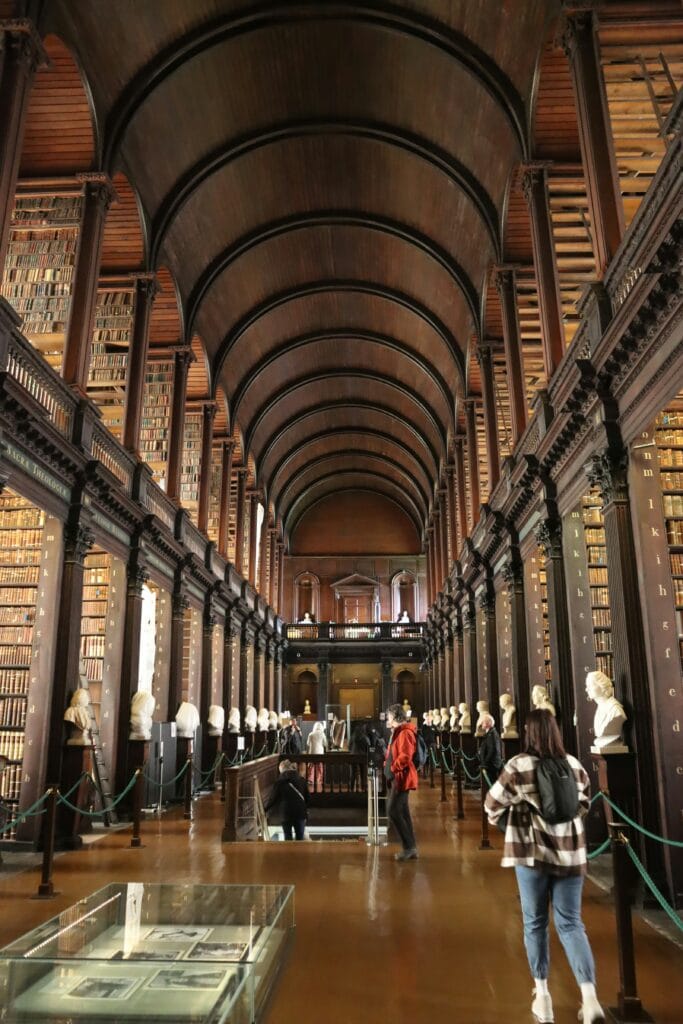
- Trinity College and famous Book of Kells – not only oldest higher education institution in Ireland, founded in 1592, but also true sanctuary of knowledge and history. In university’s heart lies Old Library, which houses famous Book of Kells – 8th-century manuscript, considered one of most ornate medieval works. It contains not only Gospel texts, but also miraculous Celtic ornaments. And Long Room – 65-meter long beauty masterpiece with wooden ceiling and giant shelves – will make you feel like in kingdom of book world.
- Guinness Brewery with panoramic bar – not only beer production sanctuary, but also Dublin’s cultural heart. Founded in 1759, this place invites through seven museum floors to immerse in beer brewing world. Here you’ll learn about legendary “black beer” history, and visit will be crowned by tasting at Gravity bar, from where breathtaking Dublin panorama opens. Curious fact: brewery lease agreement was made for 9000 years
- Temple Bar district with traditional pubs – Dublin’s cultural soul center, where history and modern energy merge into one whole. During day here you can visit art galleries and craft workshops, and in evening immerse in lively traditional Irish music atmosphere in pubs. Medieval street network and playful cultural events, such as famous Temple Bar TradFest, turn this place into unforgettable adventure
- Dublin Castle – built in 13th century, is like historical journey through various architectural styles. Here you’ll see both medieval towers and splendid Georgian period palaces. Castle underground reveals Viking and early Dublin world, and its modern purpose as museum and state events center allows to know Ireland’s complex history
- St. Patrick’s Cathedral – most magnificent church in Ireland, whose roots reach 1191. This Gothic masterpiece’s walls hide stories about St. Patrick and famous writer Jonathan Swift, who served here as dean and is buried. Cathedral choir is one of oldest in world, and its hymns have been sounding for centuries
- National Museum of Ireland – true treasure for archaeology lovers. Tara Brooch and Ardagh Chalice – Celtic art masterpieces, distinguished by masterful goldsmith work. Moreover, Viking period exhibition invites to discover how these northern conquerors shaped Dublin’s history.
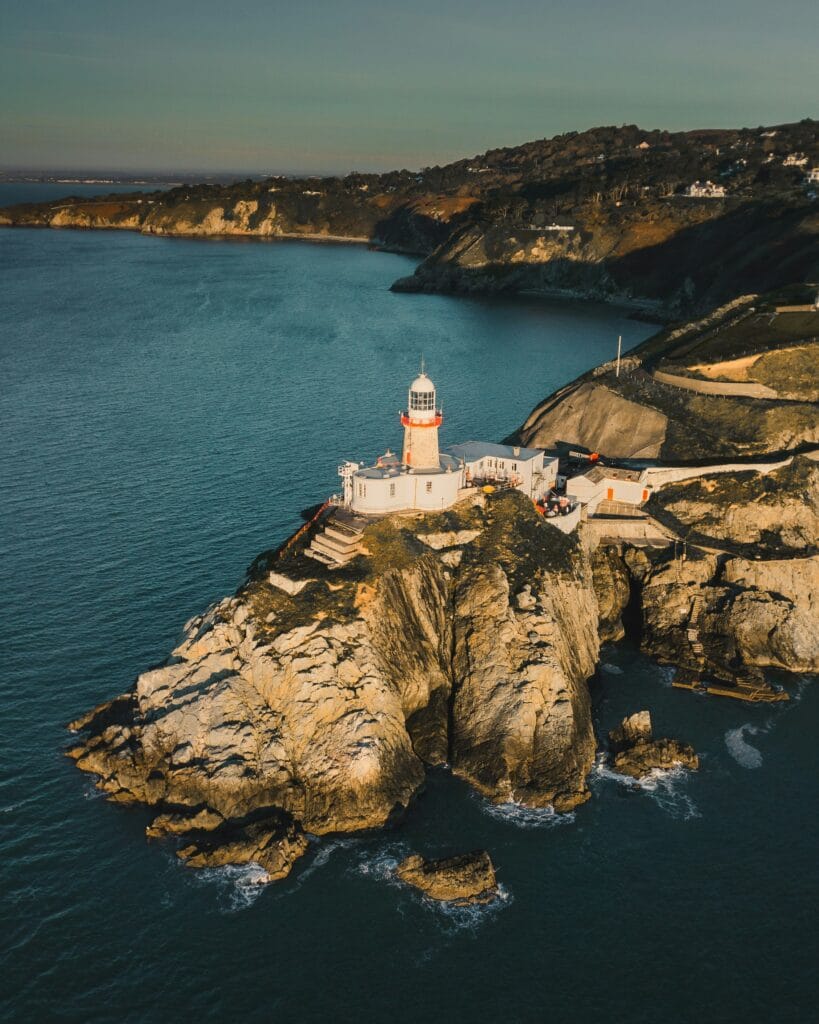
- Baily Lighthouse – standing on Howth Peninsula, is romantic Dublin Bay symbol. Scenic trails around lighthouse invite to walk, observe birds or even see seals, resting on coastal stones. Built in 1814, lighthouse still shines for sailors and delights travelers’ hearts.
Galway
Western Ireland’s cultural center, famous for music traditions.
Don’t Miss:
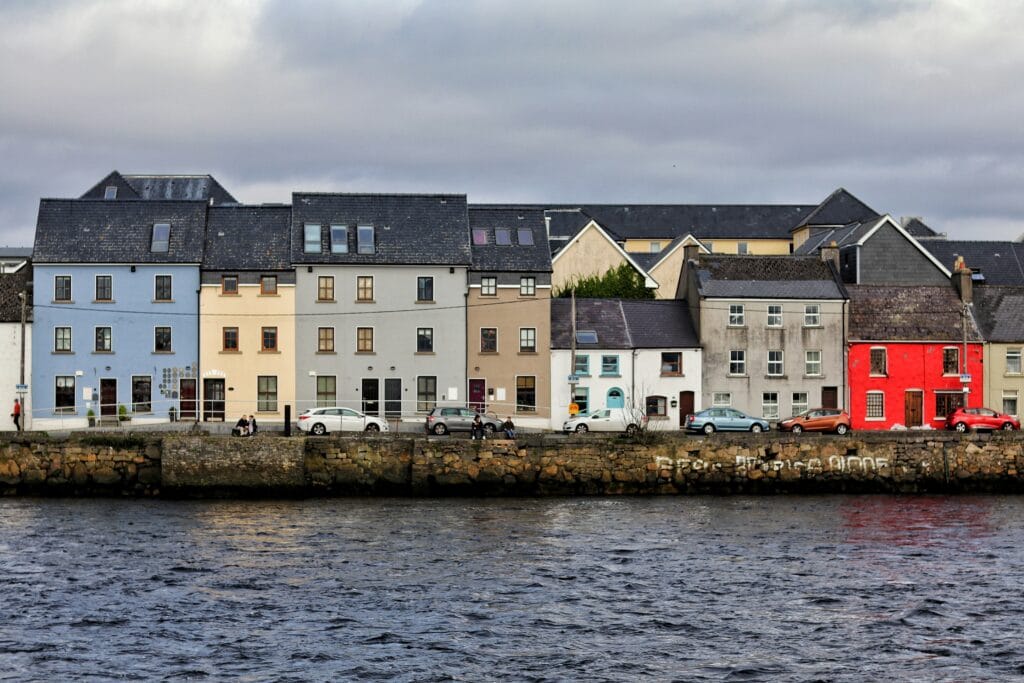
- Latin Quarter with traditional pubs – place where past meets present. This historic Galway district’s heart beats in medieval streets, where 14th-17th century architecture remains alive and unchanged. Norman arches, Gothic churches and Tudor-style houses create special atmosphere, complemented by famous Irish pubs, such as “The Quays” or “The King’s Head”. These pubs recall 15th century and are not only place to drink, but also cultural tradition centers, where live Irish music sounds and storytelling evenings take place. Legends, myths and stories here revive as if sitting by fireplace listening to old times residents
- Shop Street and street musicians – main Galway pedestrian street – true city mirror, where tradition intertwines with modernity. Among historic buildings you’ll find both traditional craft shops and modern stores. But street’s essence lies in music: from morning till evening street musicians – “buskers” play here. From traditional bodhran drum rhythms and Uilleann bagpipe melodies to modern interpretations – each performance is unique and unrepeatable. Moreover, Galway busking tradition has unwritten rules, ensuring each performer has their time and place to shine
- Spanish Arch – built in 1584, – historic fragment, telling about Galway as important trading city. This arch, being part of city wall, once protected port and ships, bringing goods from Spain – from wine to spices. This is not only historic monument, but also place that survived natural disasters, for example, 1755 Lisbon earthquake tsunami. Today Spanish Arch – popular meeting place, from which view opens to Corrib River and Galway Bay
- Salthill promenade – stretching along Galway Bay, invites to walk 2 kilometers and admire wonderful sunsets. Tradition of “kicking last wall”, or kicking Blackrock swimming baths wall at promenade’s end, is considered luck-bringing ritual – it’s not only fun activity, but also way to feel local spirit. Promenade was popular in Victorian times, when Salthill became favorite summer cottage district. Today it’s peace and relaxation oasis with breathtaking views to Aran Islands
- Galway City Museum – modern cultural center, inviting to immerse in city’s history from Middle Ages to modernity. Museum collection includes Viking and Norman influence, “Galway Hooker” traditional sailing boats history and city’s social and cultural changes. Archaeological finds, old photographs and interactive exhibitions allow better understanding of Galway as living culture and history center.
Cork
Southern Ireland’s pearl with unique atmosphere and food culture.
Places to Visit:
- English Market – not only trading place, but also living part of Cork city history. Founded in 1788, this market with its Gothic arches and decorative details attracts not only buyers, but also curious tourists. Under glass roof you’ll find authentic Irish delicacies – from famous “drisheen” sausage to fresh Atlantic fish. Extraordinary fact – even 1980 fire didn’t destroy market’s essence, and its reconstruction further strengthened historic character. In this place even Queen Elizabeth II couldn’t resist – during her 2011 visit specially came here
- Blarney Castle and legendary stone – Ireland’s fairy tales and legends queen. Castle built in 15th century is famous for Eloquence Stone, which, according to legend, gives ability to speak persuasively to everyone who kisses it. But this “ritual” requires courage – to reach stone, you have to lie down and hang over abyss. Besides stone, castle gardens are true magic and beauty oasis. “Witch’s Garden” with mysterious plants and mystical paths looks like from fantasy book.
- Crawford Art Gallery – place where art lovers can immerse in creativity world. Gallery, located in former 18th-century customs house, holds more than 4000 artworks, starting with ancient sculpture copies, designed for student training, and ending with modernism pearls, such as Jack B. Yeats or Dorothy Cross works. This is not only art collection, but also aesthetic experience – even gallery café allows to enjoy tea, surrounded by classical sculptures
- St. Fin Barre’s Cathedral – architectural wonder, rising where once in 6th century St. Fin Barre established his school. This neo-Gothic sanctuary with 1260 sculptures, 32 gargoyles and huge stained glass windows tells stories not only about religion, but also about art. Golden angel, adorning cathedral’s top, is not only architectural symbol – legend says that for its creation architect used his wife’s wedding ring
- Cork City Gaol – place where history is not just text, but living experience. This Gothic-style building resembles castle, but once not only criminals, but also political activists were imprisoned here. Authentic cells, wax figures and sound effects provide opportunity to feel what life was like behind bars. Interesting that this building had another life – from 1927 to 1957 radio station operated here, and part of broadcasting equipment survived to this day.
Irish Cuisine
Culinary Ireland is famous not only for traditional dishes, but also for simplicity and quality, using fresh products.
Traditional Dishes:
- Irish Stew: national Irish dish – slow-cooked lamb and vegetable dish. Traditionally made from lamb neck or shoulder, potatoes, carrots and onions, stewed over slow fire for several hours. Dish’s strength – simplicity and rich taste, given by slow cooking process and lamb fat.
- Boxty: traditional Irish potato pancake, made from grated raw and cooked potato mixture. Name derived from Irish word “bacstaí”. Can be fried in pan, oven or on griddle. Often served for breakfast or as side dish with meat. Old Irish saying states: “Boxty on the griddle, boxty in the pan, if you can’t make boxty, you’ll never get your man.”
- Colcannon: traditional Irish dish of mashed potatoes, mixed with cabbage or kale. Often mixed with onions and butter, sometimes milk or cream. During Halloween ring is traditionally put in dish – whoever finds it will soon marry. Dish especially popular during cold season.
- Soda Bread: traditional Irish bread, baked without yeast, using baking soda as leavening agent. It’s distinguished by its square shape and cross cut on top, which traditionally was made “to let devil out”. Bread has characteristic sour taste and dense texture. Often eaten with butter alongside soups or traditional Irish breakfast.
- Irish Breakfast: hearty breakfast, including Irish black and white pudding, bacon slices, sausages, fried eggs, mushrooms, tomatoes and beans. Served with soda bread and strong Irish tea. Differs from English breakfast in that specific Irish products are used.
- Fish and Chips: in Ireland has its own unique style – fish (usually cod) rolled in special beer batter and fried until golden. Chips cut thick and double-fried to be crispy outside and soft inside. Traditionally served with malt vinegar and salt.
- Dublin Coddle: traditional Dublin working-class dish, made from sausages, bacon, potatoes and onions. All ingredients placed in pot in layers and slowly stewed. Dish was popular on Thursdays – day before Friday fast, when remaining meat needed to be used.
Travel Route Ideas
Weekend Trip:
- Day 1: Dublin Old Town and Trinity College
- Day 2: Wicklow Mountains and Glendalough Monastery
Week-long Trip:
- Days 1-2: Dublin and surroundings
- Days 3-4: Galway and Connemara
- Day 5: Cliffs of Moher
- Days 6-7: Cork and Killarney
Green Ireland Stands Out..
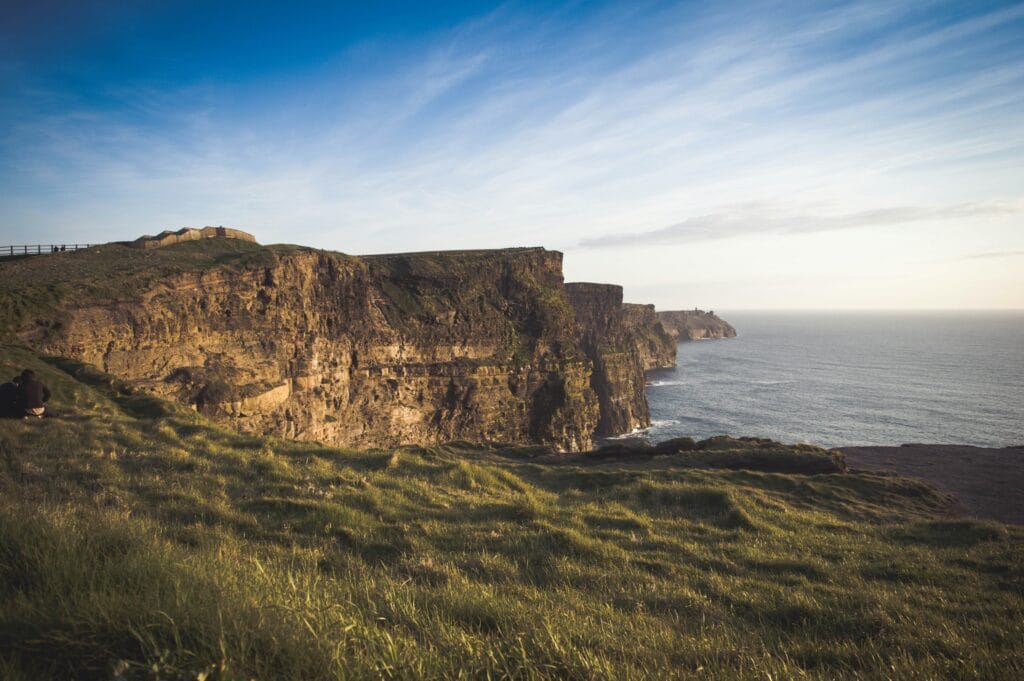
- Cliffs of Moher – one of most impressive natural wonders in Ireland. These majestic cliffs rise straight from Atlantic Ocean and stretch 14 kilometers along coast. Their height – from 120 to 214 meters, and from top breathtaking views open to Atlantic Ocean, Aran Islands and Galway Bay. Cliffs are nesting place for many seabirds, including Atlantic puffin colonies. O’Brien’s Tower – 19th-century tower – offers best observation point.
- Ring of Kerry – winding around Iveragh Peninsula in Kerry County. Road leads past impressive Atlantic Ocean views, mountains, lakes and historic sites. Along way you can visit charming villages like Kenmare and Sneem, see ancient forts, medieval monasteries and stone circles. Journey on this route reveals true Ireland’s nature and history diversity.
- Connemara National Park – covers 2,957 hectares of breathtaking landscape with mountains, heaths, bogs and forests. Park’s symbol – Twelve Bens mountain range. Here you can see wild Connemara ponies, rare plants and birds. Park has many walking trails, including path to Diamond Hill summit, from which panoramic views open to entire region.
- Burren – unique karst landscape in Clare County, whose name in Irish means “stony place”. This is largest limestone region in Ireland, famous for its “lunar” appearance and unusual ecosystem. Despite stony surface, rare Arctic, Alpine and Mediterranean plant species grow here. Region also has many archaeological monuments – dolmens, ring forts and ancient tombs.
- Killarney National Park – first and one of most popular national parks in Ireland. Park is adorned by three large lakes – Lough Leane, Muckross Lake and Upper Lake, surrounded by Macgillycuddy’s Reeks mountain range. Park houses historic Muckross House manor with traditional gardens, you can see ancient Ross Castle ruins. Ancient oak and yew forests thrive here, and park territory is home to only wild deer herd in Ireland.
Practical Tips
- Public Transport: Traveling around Ireland becomes more convenient due to well-developed bus and train network
- Language: English – main, Irish – part of culture
- Payment: cards widely accepted
- Weather: often changes, raincoat essential
- Driving: on left side of road
- Pubs: center of social life and music
Main Events in Ireland
- St. Patrick’s Day: biggest Irish national holiday, celebrated March 17 worldwide. Hundreds of thousands of people participate in Dublin parade, city lights up in green, street festivals, concerts and dances take place. Traditionally people adorn with shamrock leaves, symbolizing Holy Trinity, which St. Patrick used to explain Christianity. Holiday not only honors Ireland’s patron, but also celebrates Irish culture and heritage.
- Galway Arts Festival: biggest arts festival in Ireland, taking place in July in Galway city. Two-week event includes theater performances, music concerts, visual arts, street performances and literary events. Festival is famous for its bold artistic decisions and international premieres. City streets turn into large art gallery with impressive installations and street theater performances.
- Dublin Theatre Festival: oldest specialized theater festival in Europe, taking place end of September – beginning of October. Festival presents best Irish and international theater performances, from classical to experimental. Performances take place in various city locations, including historic theaters and non-traditional spaces. Festival also organizes creative workshops and discussions.
- Cork Jazz Festival: one of most famous jazz festivals in Europe, taking place in October in Cork city. During Halloween weekend city fills with jazz sounds – concerts take place not only in concert halls, but also in bars, streets, hotels. Festival attracts world-class jazz musicians and thousands of music lovers from all over world.
- TradFest: biggest traditional Irish music festival, taking place in January in Dublin. Festival is distinguished by concerts taking place in unique historic locations – castles, churches and ancient buildings. Here you can hear traditional Irish music, songs and dances, performed by both recognized masters and young talents. Festival also offers music workshops and sessions, where visitors can learn to play traditional instruments.
Ireland – country where everyone finds their miracle: whether it be ancient castles and monasteries, or breathtaking nature views, or simply cozy evening in traditional pub. Here hospitality is not just word – it’s way of life, and each journey becomes special adventure, full of warm meetings and unexpected discoveries.