 Italy
Italy 


Italy: Cradle of History, Art and Culinary Excellence
Italy – a jewel of Southern Europe, where each region tells its own story. A country famous for art masterpieces, architectural wonders, exceptional cuisine and vibrant culture, invites travelers to discover a millennia-old civilization, enjoy Mediterranean flavors and immerse themselves in the “dolce vita” way of life.
Basic Information about Italy
- Capital: Rome
- Area: 301,340 km²
- Population: ~60 million (2024)
- Currency: Euro (EUR)
- Language: Italian
- Time Zone: CET (GMT+1) / CEST (GMT+2)
When to Travel to Italy?
Spring (March-May)
A great time to visit Italy, when the weather is pleasant (15–20°C), and landscapes are adorned with blooming flowers. During this period there are fewer tourists, making it easier to enjoy cities and countryside.
Summer (June-August)
The hottest season (25–35°C), however ideal for beaches and mountain resorts. Cities can be overcrowded, so it’s important to book attractions and accommodation in advance.
Autumn (September-November)
A pleasant time for trips through wine regions and cultural excursions. Weather remains warm (15–25°C), and local events and festivals provide opportunities to immerse yourself in authentic Italian life.
Winter (December-February)
Mild winter in the south (8–15°C), while in the north this period is ideal for skiing in the Alps. Christmas markets and festive atmosphere also attract visitors.
Main Cities and Regions
Rome
The Eternal City amazes with impressive ancient monuments, magnificent architecture and art treasures.
Places to Visit:
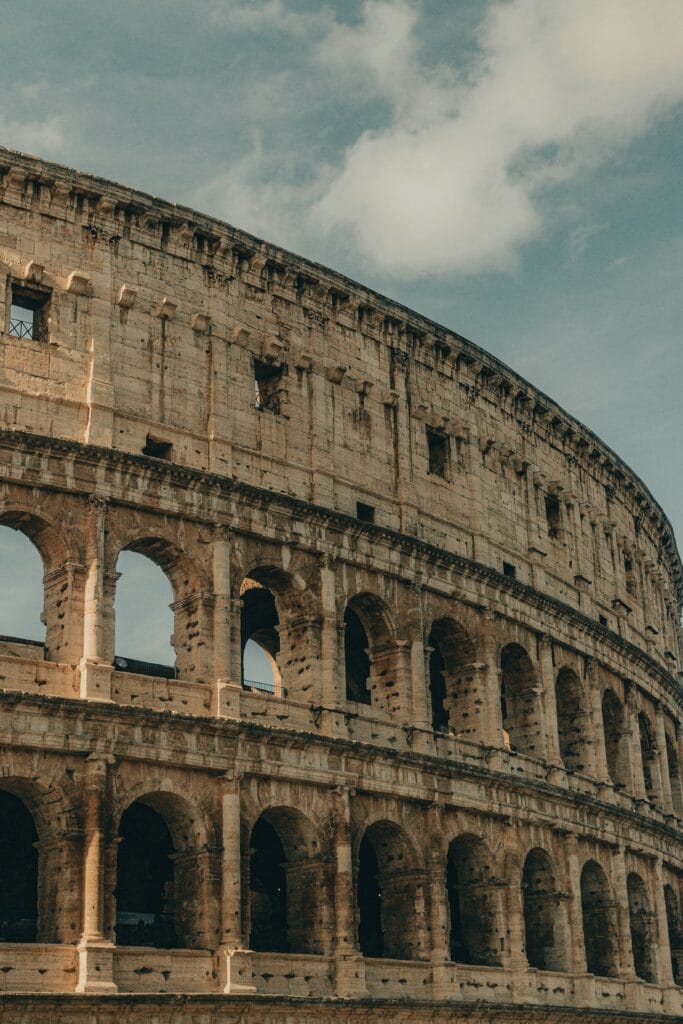
- Colosseum – symbol of the Roman Empire, built between 70–80 AD. Not just any stadium, but the largest amphitheater created at that time! Inside could squeeze 50–80 thousand spectators – almost like the biggest concert today. It reeked of sweat (lots of sweat), blood and adrenaline – after all, gladiator fights and wild animal hunts took place here. By the way, built with such engineering mastery that architects today still scratch their heads: how did they manage it? Arched constructions, concrete and ingeniously designed spectator system made the Colosseum a true technical marvel.
- Vatican Museums and Sistine Chapel – if you’re an art fan, the Vatican Museums are a true dream. They’re full of treasures accumulated over centuries, because popes, as it turns out, had not only good taste but also deep pockets. But the star here is the Sistine Chapel. You know those famous Michelangelo frescoes? They look as if God himself dictated to Michelangelo: “Paint like this!” The ceiling, and especially the “Last Judgment” scene, is simply Renaissance art at “this is too good to be true” level. And more – papal elections take place here. So yes, if you visit at the right time, you might even hear how the world’s spiritual destiny is being decided.
- St. Peter’s Basilica – the largest Catholic church. Built over the tomb of the Apostle Peter himself, this building still looks like a monument to ambition and creativity. Such geniuses as Michelangelo (who created the iconic dome) and Bernini worked here. Inside? Treasures! From Michelangelo’s “Pietà” to decorations you’d want to dust yourself (but better not touch). The dome is so magnificent that even other churches envy it.
- Pantheon – built in 126 AD (yes, the numbers make you dizzy), it still boasts the largest unreinforced dome in history. Such an engineering pearl that you can only look and guess: “How did they do it?” In the dome’s center is an oculus, a hole that allows sunlight (and sometimes rain) to illuminate the interior. This place was so good that in the Middle Ages they decided not to destroy it, but simply make it a church. Smart decision.
- Trevi Fountain – not only the largest, but also, let’s admit, one of the most beautiful fountains in the world. Created in 1762, it depicts Neptune commanding sea horses and waves. The fountain’s drama and details are a true Baroque art masterpiece. And the tradition? If you throw a coin over your shoulder, you’ll not only return to Rome but also be happy. Well, at least that’s what legends say – try it yourself.
- Roman Forum – a real time machine ticket. Once all life happened here: political debates, trade, even religious ceremonies. Now they’re ruins, but what ruins! Temples, basilicas, triumphal arches – all this stands (or at least partially stands), reminding how powerful the Roman Empire was. Here you’ll feel what it means to walk in history’s footsteps.
Florence
Capital of the Tuscany region, birthplace of the Renaissance.
Worth Visiting:
- Uffizi Gallery – an art collection founded in the 16th century by the Medici family (yes, they were wealthy and certainly didn’t lack good taste), the gallery still houses one of the world’s best Renaissance art collections. Botticelli’s “Birth of Venus” and “Spring”? Here you go. Leonardo da Vinci’s “Annunciation”? Yes. Michelangelo’s “Holy Family Tondo”? Of course. And all this fits into a building whose architecture was created by Giorgio Vasari – U-shaped beauty connecting Palazzo Vecchio with the Arno River. If you’re looking for a place where the Renaissance truly breathes, it’s here.
- Duomo Cathedral – Santa Maria del Fiore, better known as Duomo, is more than a cathedral – it’s Florence’s symbol, shining among the city’s roofs with its red dome. And that dome, designed by Filippo Brunelleschi? It was the 15th century’s “how did you do that?” moment – the first masonry dome of such size built without scaffolding. As if that weren’t enough, the facade, covered with a combination of white, green and pink marble, enchants even more. You come, see, and… think that Gothic and Renaissance here dance a wonderful duet.
- Ponte Vecchio Bridge – Florence’s oldest bridge, standing since 1345. What makes it distinctive? Well, it’s full of little shops! And not just any – jewelers with their workshops reign here, so you can browse shiny things even while crossing the river. Above is the Vasari Corridor, the Medici family’s secret connection between palaces and Palazzo Vecchio. Most interesting is that this bridge survived even World War II bombings, when all other Florence bridges were destroyed. A miracle? Perhaps.
- Michelangelo’s David Statue – if the Renaissance had its “poster boy”, it would be David. Created by Michelangelo in 1501–1504, this 5.17-meter-tall marble beauty immediately became a symbol of Renaissance triumph. The sculpture depicts biblical David, prepared to face Goliath. You’ll find the original at Galleria dell’Accademia, while a copy stands at Palazzo Vecchio square. Either way, David became the embodiment of freedom and strength – such a hero he is.
- Palazzo Vecchio – a building constructed in the early 14th century is an excellent example of medieval architecture and the city’s most important government building. Its 94-meter-high tower dominates Piazza della Signoria square. Inside remain impressive Renaissance fresco cycles, especially in the Salone dei Cinquecento hall, where Vasari and other famous artists worked. The palace combines defensive architecture with luxurious interior decor, reflecting Florence’s power and wealth.
Venice
A unique city built on canals, famous for its romance and history.
Places to Visit:
- St. Mark’s Square and Basilica – Venice’s heart and one of Europe’s most beautiful squares. The basilica, built in the 9th century and rebuilt in the 11th century, is an excellent example of Byzantine architecture in the West. Its facade is decorated with five arches, golden mosaics and the famous four bronze horses. Inside amaze gold-glittering mosaics, precious marbles and St. Mark’s relics. The square is surrounded by an elegant ring of arcades, the historic Campanile bell tower and an astronomical clock.
- Doge’s Palace – a Gothic architecture masterpiece, former residence of Venice’s rulers (doges) and government institutions. The building’s facade stands out with lightness and decorativeness – the lower part consists of an arcade of arches, while the upper part is decorated with diamond pattern and white and pink marble ornaments. Inside remain impressive Renaissance fresco cycles, the Great Council Hall and the famous Bridge of Sighs, connecting the palace with the prison.
- Rialto Bridge – built in 1591, this stone bridge is the oldest across the Grand Canal and one of Venice’s most famous symbols. Its architecture – one arch with two rows of shops on the sides – became a model for many bridges in Europe. Historically the bridge was an important trade center, and today remains a popular tourist attraction and part of the city panorama.
- Murano and Burano Islands – Murano island has been famous for glass-making traditions since the 13th century. Here you can watch glass-blowing demonstrations and visit the Glass Museum. Burano island is known for its lace-making tradition and brightly colored houses, painted in different colors so fishermen could recognize their homes in fog. Both islands have preserved the authentic atmosphere of Venice lagoon life.
- Grand Canal – Venice’s main water artery, crossing the city in an S-shaped canal. The 3.8 km long canal is like a living history book of the city – its banks are adorned with impressive Gothic, Renaissance and Baroque palaces belonging to Venice’s wealthiest families. A journey by water bus (vaporetto) along the Grand Canal allows you to see the best-preserved medieval city view in Europe and understand why Venice is called a “floating city”.
What Does Italy Offer Gourmets?
Italy is a culinary paradise, where each region can boast its own flavor masterpieces.
Traditional Dishes:
- Pizza Napoletana: authentic Neapolitan pizza, whose preparation is protected by UNESCO intangible heritage. Dough is prepared only from highest quality flour, water, salt and yeast, kneaded by hand and aged for at least 24 hours. Traditional Margherita pizza is topped with San Marzano tomatoes, fresh mozzarella and basil. It’s baked in a special wood-fired oven at 460-480°C for just 60-90 seconds.
- Pasta Carbonara: classic Roman cuisine dish. It’s made from long pasta (usually spaghetti or rigatoni), mixed with beaten egg, grated Pecorino Romano cheese and fried guanciale (pork cheek bacon). The dish is finished by mixing hot pasta into the egg-cheese mixture to create a creamy sauce. Important – authentic recipe contains no cream!
- Risotto alla Milanese: elegant Lombardy region dish. Its golden color and subtle aroma are provided by saffron. Arborio or Carnaroli rice is cooked slowly by gradually adding broth and constantly stirring until it becomes creamy consistency. At the end butter and parmesan cheese are added. Often served as a side dish with Osso Buco.
- Osso Buco: also originating from Milan – it’s slowly braised veal shank with vegetables, white wine and tomato sauce. The dish’s name means “bone with hole”, because the bone marrow provides special flavor. Traditionally served with “gremolata” – a sauce of parsley, lemon zest and garlic.
- Gelato: Italian ice cream, made with less fat than regular ice cream and kept at slightly higher temperature, making it creamy texture. It’s made from fresh, seasonal ingredients, often without artificial additives. Most popular flavors are pistachio, hazelnut (nocciola), chocolate and vanilla, but each gelateria offers its own unique combinations.
- Tiramisu: relatively new Italian cuisine dessert, originating from Veneto region. Its name means “lift me up”. The dessert is prepared by layering coffee-soaked Savoiardi biscuits with cream made from mascarpone cheese, eggs and sugar. The top is dusted with cocoa powder. Although there are many modern variations, the classic recipe remains most popular.
Itinerary Ideas
Weekend Trip:
- Day 1: Rome – Colosseum, Trevi Fountain, Pantheon
- Day 2: Vatican and Rome’s Baroque squares
Week Trip:
- Days 1–2: Rome and Vatican
- Days 3–4: Florence and Tuscan towns
- Day 5: Venice
- Days 6–7: Amalfi Coast or Cinque Terre
Nature and Culture
- Pompeii Ruins: one of the best-preserved ancient Roman cities, which was buried under ash and lava in 79 AD when Mount Vesuvius erupted. Excavations revealed an incredibly well-preserved city with streets, houses, frescoes and even human body forms. Visitors are amazed by detailed mosaic work, public squares, amphitheater and daily life artifacts that provide a unique glimpse into ancient Roman life.
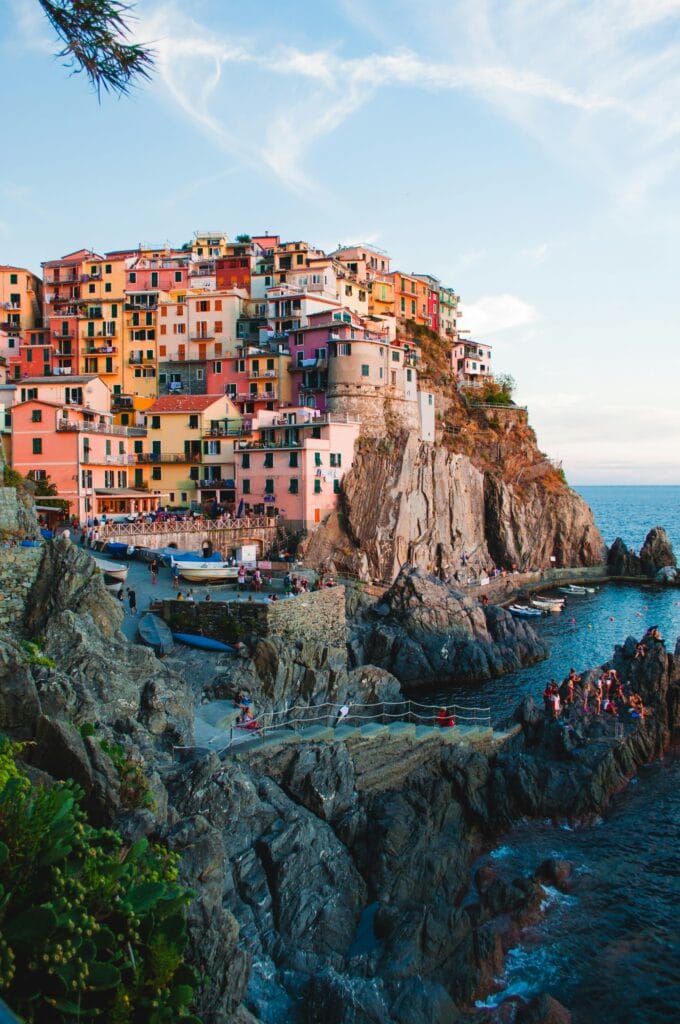
- Cinque Terre: consists of five charming towns – Monterosso al Mare, Vernazza, Corniglia, Manarola and Riomaggiore – located on steep Ligurian coast cliffs. Each town features brightly colored houses, winding streets and charming harbors. Between the towns stretches the famous hiking trail “Sentiero Azzurro”, revealing breathtaking Mediterranean Sea views.
- Tuscan Hills: like a living painting with rolling vineyards, silver olive groves and cypress avenues. This landscape is adorned by medieval castles, historic towns like San Gimignano or Montepulciano, and traditional “agriturismo” farms. The region produces world-famous wines like Chianti and Brunello di Montalcino.
- Amalfi Coast: one of Italy’s most beautiful places, where steep cliffs dramatically descend into the azure Tyrrhenian Sea. The coast road connects charming towns like Positano, Amalfi and Ravello, each famous for colorful architecture, historical heritage and stunning views. Here you can find luxury hotels, lemon groves and cozy beaches.
- Dolomite Alps: stand out with unusual mountain relief with steep rock walls and sharp peak towers. In winter popular ski resorts operate here, while in summer the region attracts hikers and climbers. Traditional villages are located in mountain valleys, where unique Ladin culture and cuisine are alive.
- Etna: Europe’s highest and most active volcano, rising in eastern Sicily. On its slopes black lava fields blend with lush vegetation, vineyards and historic towns. Visitors can ascend to the top by funicular or off-road vehicles, view craters and lava caves. The volcano’s activity is constantly monitored, and small eruptions are a common phenomenon.
Practical Tips
- Transport: trains are fast and convenient between major cities
- Tickets: book museums in advance to avoid queues
- Lunch Break: many shops and restaurants close from 13:00 to 16:00
- Dress Code: when visiting churches, covering shoulders and knees is mandatory
- Coffee: espresso is usually drunk standing at the bar
- Accommodation: during season book in advance, especially in popular cities
Main Events
- Venice Carnival: February. One of the world’s most famous, taking place before Lent in February. The city comes alive with traditional masks, historic costumes and luxurious balls in historic palaces. Visitors are charmed by street artists’ performances, gondola parade and especially impressive “Flight of the Angel” at St. Mark’s Square. The carnival lasts about two weeks and attracts hundreds of thousands of visitors from around the world.
- Palio Horse Race in Siena: historic horse race held twice a year – July 2 and August 16 in Siena’s central Piazza del Campo square. Each city contrada (neighborhood) fields its rider, the race lasts just three laps around the square, but is extremely intense and emotional. The festival includes not only the race but also historic processions, flag throwers’ performances.
- Verona Opera Festival: takes place in the impressive Roman amphitheater Arena di Verona. From June to August the most famous operas are staged here under the open sky. The amphitheater, which can hold 15,000 spectators, creates a special atmosphere, while sunset light and starry sky complement the scenography magic.
- Grape Harvest Festivals: called “Vendemmia”, take place in September-October in all Italian winemaking regions. Tuscany, Piedmont and other regions organize wine tastings, traditional food fairs and grape stomping ceremonies. It’s a great opportunity to taste new harvest wine and get acquainted with local traditions.
- Christmas Markets: in Italy begin in early December and continue until Epiphany. Especially impressive markets take place in Bolzano and Merano cities in South Tyrol, where strong German influence is felt. Here you can find traditional crafts, Christmas decorations and local delicacies.
- Sant’Ambrogio Festival in Milan: December 7, in honor of the city’s patron saint. During the festival the traditional “Oh Bej! Oh Bej!” market takes place around Sforza Castle, where food, crafts and antiques are sold. It’s an important city festival marking the beginning of Christmas season in Milan, and the next day the Immaculate Conception is celebrated.
Italy is a place where history, art and life’s joy come together. Whether you’re drawn to ancient monuments, Renaissance masterpieces, Mediterranean cuisine, or simply want to enjoy the peaceful beauty of Italian countryside – this country has everything needed for an unforgettable journey.