 New Zealand
New Zealand: A Natural Wonder in the Pacific Ocean
New Zealand is a country where mountain landscapes meet peaceful fjords, ancient Māori culture harmonizes with modern life, and hills reminiscent of hobbit lands stand beside active volcanoes. It’s a place that invites you to discover pristine natural beauty, experience adrenaline-filled adventures, and immerse yourself in rich cultural heritage.
Basic Information About New Zealand
- Capital: Wellington
- Area: 268,021 km²
- Population: ~5.1 million (2024)
- Currency: New Zealand Dollar (NZD)
- Languages: English, Māori
- Time Zone: NZST (GMT+12), summer – NZDT (GMT+13)
When is the Best Time to Travel to New Zealand?
Summer (December–February)
The warmest time of year (20–25°C) with long days. Ideal for enjoying beaches and outdoor activities. However, peak tourism season means higher prices.
Autumn (March–May)
Pleasantly warm weather (15–20°C), nature is painted with impressive autumn colors. Fewer tourists mean more attractive prices. Great time for travel and photography.
Winter (June–August)
Ski season in the Southern Alps, where temperatures range from –3°C to +15°C. Winters on the North Island are milder – great time to visit geothermal springs.
Spring (September–November)
Nature comes alive, cherry blossoms and plums bloom, and temperatures reach 12–18°C. This is the ideal time for hiking and nature photography.
Main Cities and Regions
Auckland
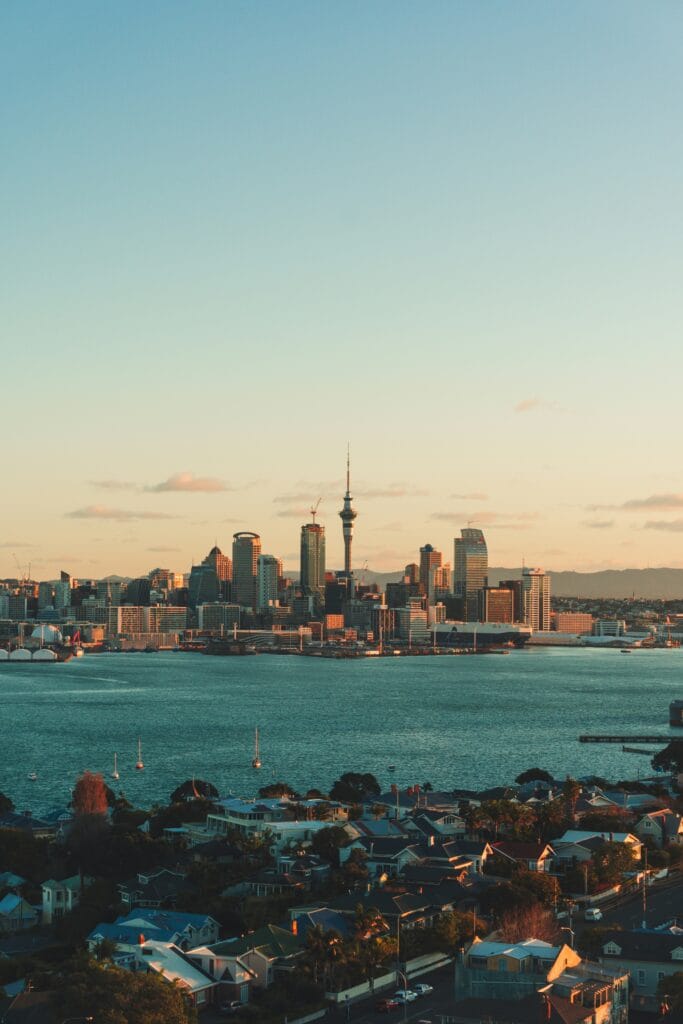
The country’s largest city, also called the “City of Sails” due to numerous yachts in the harbor.
Places to Visit:
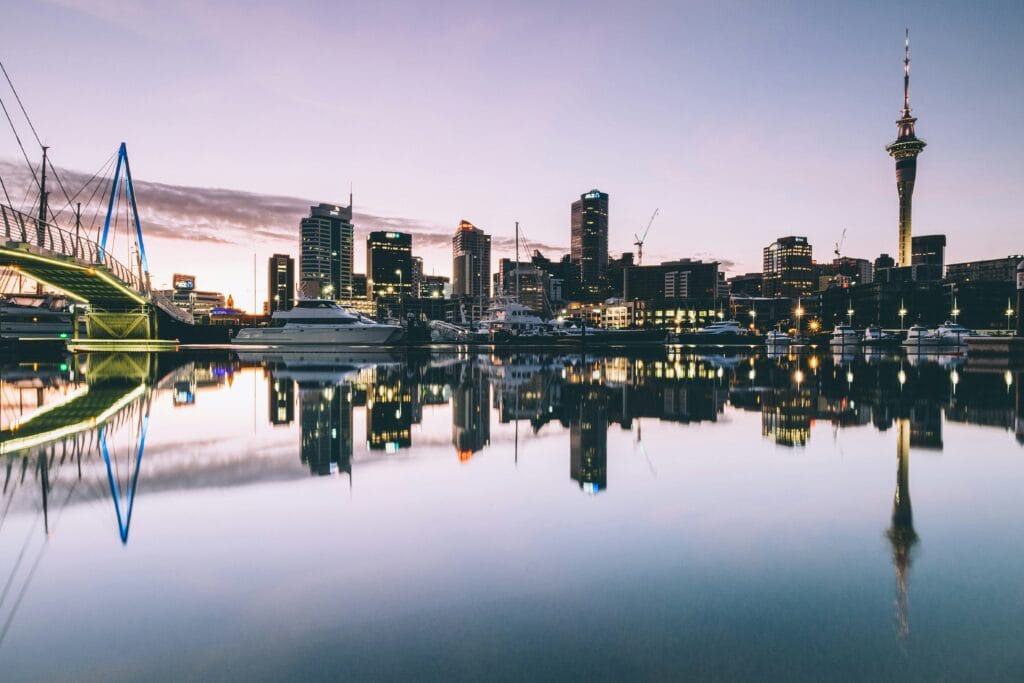
- Sky Tower – Auckland’s city symbol – this 328-meter tall structure is actually the tallest building in the southern hemisphere. The tower features observation decks, restaurants, and even an extreme activities zone.
- Viaduct Harbour – a modernized port area that has become an elegant leisure center. Here you’ll find luxury yachts, gourmet restaurants, stylish bars, and cafes. Especially lively on weekends when locals and tourists enjoy water activities and views of the bay.
- One Tree Hill – is not just a volcanic hill but also an important cultural site for Māori. Although the one tree is no longer there, the hill remains a significant Māori heritage symbol and an excellent spot for city panoramas.
- Auckland Domain – the city’s green oasis, established in 1840. This largest city park is famous for its winter gardens, sculptures, and peaceful walking trails among old trees.
- Auckland War Memorial Museum – not just a war memorial but also home to the world’s largest collection of Māori artifacts. The building impressively stands on a hill in Auckland Domain park and offers a comprehensive exhibition about New Zealand’s history and culture.
- Mission Bay – Auckland’s most popular beach, located just 15 minutes from the city center. Here you can not only enjoy the sun and sea but also discover numerous restaurants, cafes, and ice cream parlors in the historic Art Deco style building on the promenade.
Wellington
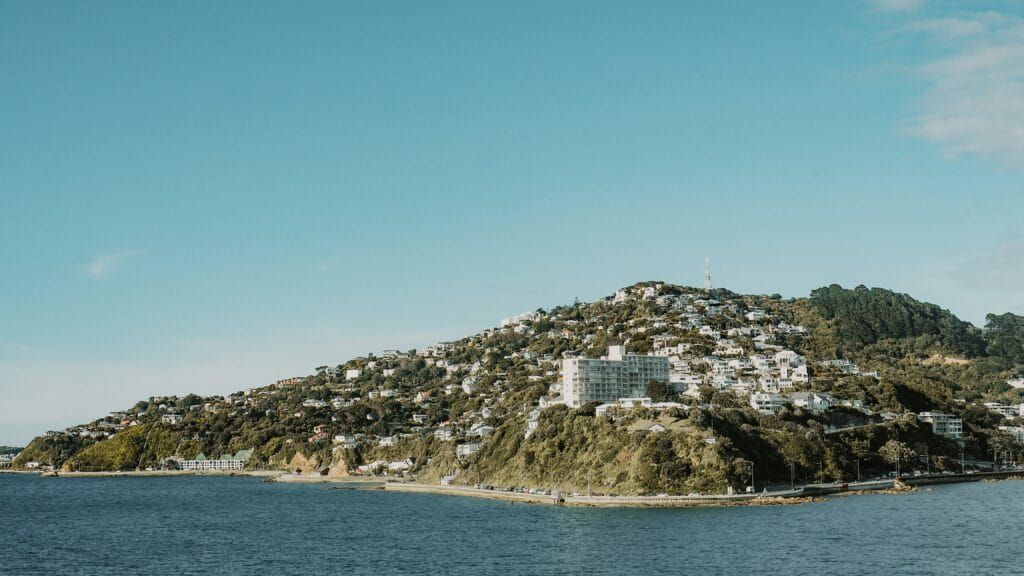
The nation’s capital, famous for its culture and excellent coffee.
Don’t Miss:
- Te Papa – New Zealand’s national museum, located in a modern building by the water. It’s one of the most impressive museums in the Southern Hemisphere, interactively presenting the country’s nature, history, and culture. Entry is free, and exhibitions are constantly updated.
- Cable Car – a historic funicular that has become a city symbol. Since 1902, it has carried passengers from Lambton Quay to Kelburn. The journey takes just 5 minutes but provides unforgettable views of the city and harbor.
- Cuba Street – Wellington’s cultural heart – where artists, musicians, and hipsters meet. The street is famous for vintage shops, independent cafes, restaurants, and the famous “Bucket Fountain.”
- Parliament Buildings – the complex consists of several historic buildings, including the impressive “Beehive” – a uniquely designed modernist building that serves as the government headquarters. Parliamentary sessions are held here, and tours are available for visitors.
- Mount Victoria Lookout – a 196-meter high hill offering breathtaking 360-degree views of Wellington, its harbor, and surroundings. Especially popular spot for watching sunsets and taking panoramic city photos.
Queenstown
The adventure capital, situated beside Lake Wakatipu.
Places to Visit:
- Skyline Gondola – takes visitors to Bob’s Peak, offering unparalleled views of Queenstown, Lake Wakatipu, and The Remarkables mountains. The gondola ride is the steepest in the Southern Hemisphere, and at the top, you can not only admire the views but also enjoy food at the panoramic restaurant.
- Bungy jumping – the historic site where commercial bungy jumping began in 1988. AJ Hackett established the world’s first commercial jumping site here, where people can jump from a 43-meter high bridge. This location became a global symbol of extreme sports.
- Lake Wakatipu – one of New Zealand’s deepest lakes, distinguished by its “S” shape and crystal-clear water. The lake has a unique “tidal” rhythm, which Māori legends associate with a giant’s heartbeat.
- The Remarkables – a popular ski resort. In winter, modern lifts and slopes for skiers of all levels operate here, while in summer the mountains become a popular hiking destination.
- Arrowtown – a well-preserved 19th-century gold mining town, located just 20 minutes from Queenstown. The historic Buckingham Street retains original buildings from the gold rush era, and the remains of the Chinese quarter remind visitors of early Chinese immigrants who came seeking gold.
Rotorua
Center of geothermal wonders and Māori culture.
Main Attractions:
- Te Puia – one of New Zealand’s most impressive geothermal and cultural sites. Its territory features the Pohutu geyser – the largest active geyser in the Southern Hemisphere, erupting up to 30 meters high. It also houses the New Zealand Māori Arts and Crafts Institute, where young Māori learn traditional crafts.
- Wai-O-Tapu – the most colorful geothermal park, famous for its “Artist’s Palette” – multi-colored mineral pools. Particularly impressive is the “Champagne Pool” – a bubbling hot spring with bright orange edges and the “Lady Knox” geyser, which erupts at a set time daily.
- Māori Village – (“Mitai Maori Village” or “Tamaki Maori Village”) where visitors become acquainted with authentic Māori culture. Traditional performances featuring the famous “haka” dance are held here, and dinner is prepared as a traditional “hangi” – food cooked in underground ovens.
- Redwoods – or Whakarewarewa Forest – an impressive 5,600-hectare California redwood forest. It features suspended walkways among treetops and numerous trails for walkers and cyclists. In the evening, the forest lights up with thousands of lights, creating a magical atmosphere.
- Hell’s Gate – the most intense geothermal park in the Rotorua region. Here you can see the hottest mud pools in New Zealand, bubbling geysers, and the largest hot waterfall in the Southern Hemisphere. Visitors can try therapeutic mud baths and thermal pools.
What Does New Zealand Offer for Food Lovers?
Traditional Dishes:
- Hangi: food cooked in the ground, Māori style
- Green-lipped mussels: green-lipped shellfish
- Lamb: famous New Zealand lamb
- Pavlova: traditional dessert
- Fish and chips: British legacy with a local accent
- Hokey pokey ice cream: honeycomb-flavored ice cream
- Whitebait fritters: small fish fritters
Travel Itinerary Ideas
Weekend Trip:
- Day 1: Auckland – city tour and harbor area
- Day 2: Rotorua – geysers and Māori culture
Two-Week Trip:
- Days 1–3: Auckland and surroundings
- Days 4–5: Rotorua and Taupo region
- Days 6–8: Wellington
- Days 9–11: South Island, Queenstown
- Days 12–14: Fiordland and Milford Sound
New Zealand’s Nature
- Milford Sound – world-famous fjord
- Tongariro National Park – active volcanoes
- Abel Tasman National Park – golden beaches
- Fox and Franz Josef Glaciers – unique glaciers
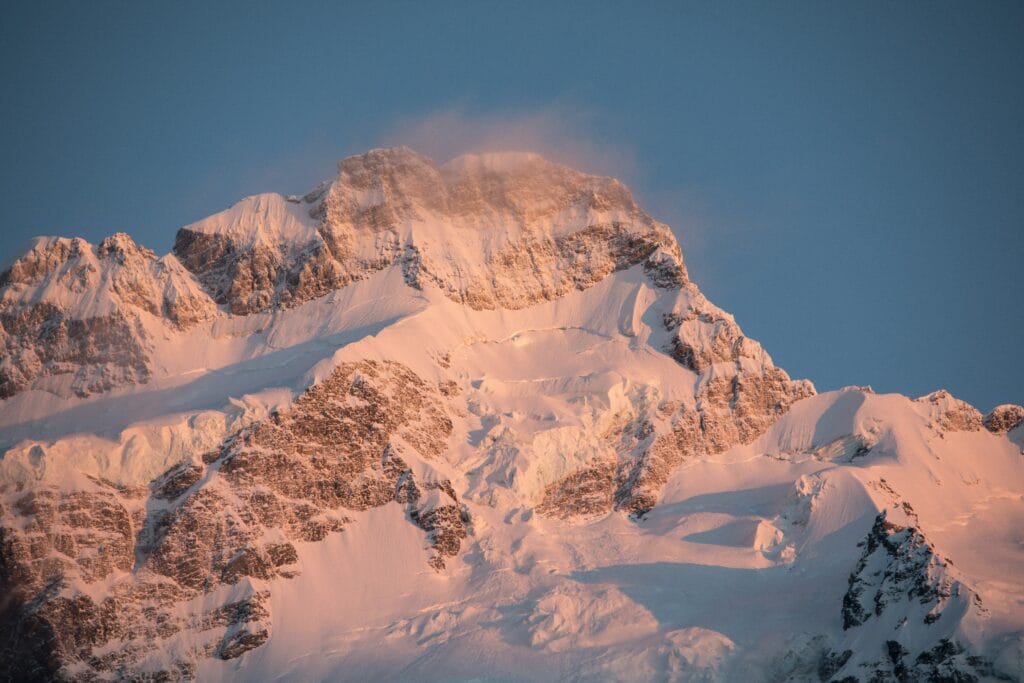
- Mount Cook – the country’s highest mountain
Practical Tips
- Transportation: car rental recommended; drive on the left side
- Internet: WiFi widely available in cities
- Payment: cards accepted almost everywhere
- Electricity: adapter required (230 V, 50 Hz)
- Insurance: important to have travel insurance
- Water: safe to drink from the tap
Main Events
- Waitangi Day: February 6 – national holiday
- World of WearableArt: September/October – unique fashion event
- Wellington Jazz Festival: June
- Auckland Arts Festival: March
- Rhythm and Vines: December 29–31 – music festival
New Zealand is a country where every day becomes an adventure. From the snowy peaks of the Southern Alps to the subtropical beaches of the North Island, from modern cities to untouched corners of nature – you’ll definitely find what you’re looking for here!