 Poland
Poland: Journey Through History and Modernity
Poland – a country where the past is alive in every step, and modern life pulsates alongside the charm of old cities. Here you can find both UNESCO-protected old towns and breathtaking mountain landscapes. Traditional pierogi, contemporary cuisine, impressive architecture and hospitable people – all this makes Poland a unique travel destination.
Basic Information About Poland
- Capital: Warsaw
- Area: 312,696 km²
- Population: ~37.8 million (2024)
- Currency: Zloty (PLN)
- Language: Polish
- Time Zone: Central European Time (CET, GMT+1), summer – CEST (GMT+2)
When is the Best Time to Travel to Poland?
Spring (March-May)
Mild weather (10–20 °C) and blooming parks – ideal time to explore cities and participate in cultural events.
Summer (June-August)
Warmest time of year (20–25 °C), perfectly suitable for relaxation on Baltic coast or hiking in mountains. This is also festival and celebration season.
Autumn (September-November)
Autumn colors and pleasant cooler climate (5–15 °C) invite to immerse in cultural adventures and visit historic cities.
Winter (December-February)
Although winters in Poland are cold (-5 to +2 °C), they’re full of coziness: Christmas markets, Tatra Mountains ski resorts and festive atmosphere create special mood.
Main Cities and Regions
Warsaw
Country’s capital and combination of modernity and history. Its reconstructed Old Town is UNESCO heritage part.
Places to Visit:
- Royal Castle – Warsaw Royal Castle (“Zamek Królewski”) – 16th-18th century residence, former headquarters of Polish kings and Sejm. Although during World War II castle was completely destroyed, it was meticulously rebuilt in 1971-1984, using surviving original elements and historical photographs. Inside you can see impressive royal apartments, Sejm hall and valuable art collection, including Rembrandt, Canaletto paintings. Castle is UNESCO World Heritage part.
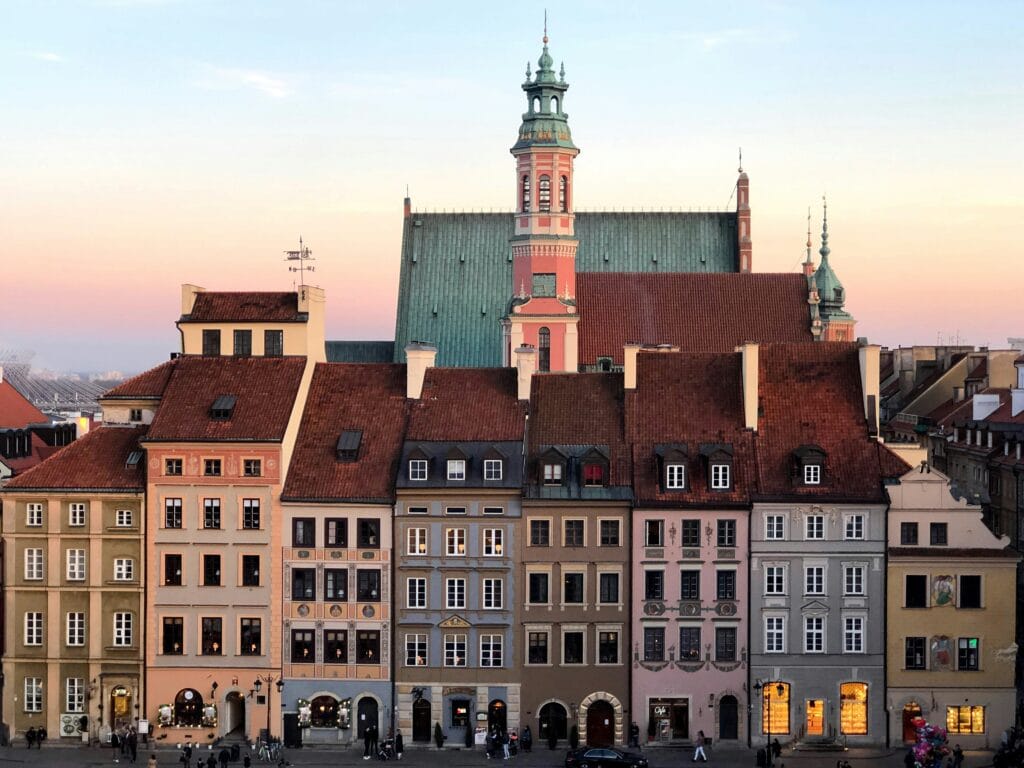
- Old Town Square – Old Town Square (“Rynek Starego Miasta”) is Warsaw’s historic center, reconstructed after war according to 16th-17th century plans. Square is surrounded by colorful townhouses with characteristic facades, and in center stands Mermaid sculpture – city symbol. On and around square operate many restaurants, cafés, galleries and souvenir shops. Cultural events, concerts and traditional fairs also take place here.
- Palace of Culture and Science – “Pałac Kultury i Nauki” – socialist realism architecture example, built in 1955 as “Stalin’s gift” to Poland. 237-meter high building remains tallest in Poland. Palace houses theaters, cinemas, museums, scientific institutions and observation platform on 30th floor, from which panoramic Warsaw view opens. Although building evokes mixed feelings, it became inseparable part of city skyline.
- Copernicus Science Centre – modern interactive science museum, opened in 2010, is one of most popular Warsaw museums. Here visitors can experiment with more than 400 exhibits, participate in laboratory sessions and observe science demonstrations. Centre operates planetarium, robotics laboratory and science park. Building, located on Vistula embankment, is distinguished by contemporary architecture.
- Łazienki Park and Palace – largest Warsaw park, in 18th century was royal residence. In park center stands “Palace on the Isle”, built on artificial lake. Park also has famous Frederic Chopin monument, near which in summer free concerts under open sky take place. Complex allows visiting various historic buildings, orangery, theater and royal gallery.
- Warsaw Uprising Museum – modern museum, opened in 2004, dedicated to memory of 1944 Warsaw Uprising. Interactive exhibitions use contemporary technologies, sound and video installations, presenting 63 uprising days. Museum exhibits original documents, weapons, photographs and personal items. Especially impressive is 3D animation, showing destroyed city from airplane perspective. Museum is important educational institution, helping understand this tragic period of Polish history.
Kraków
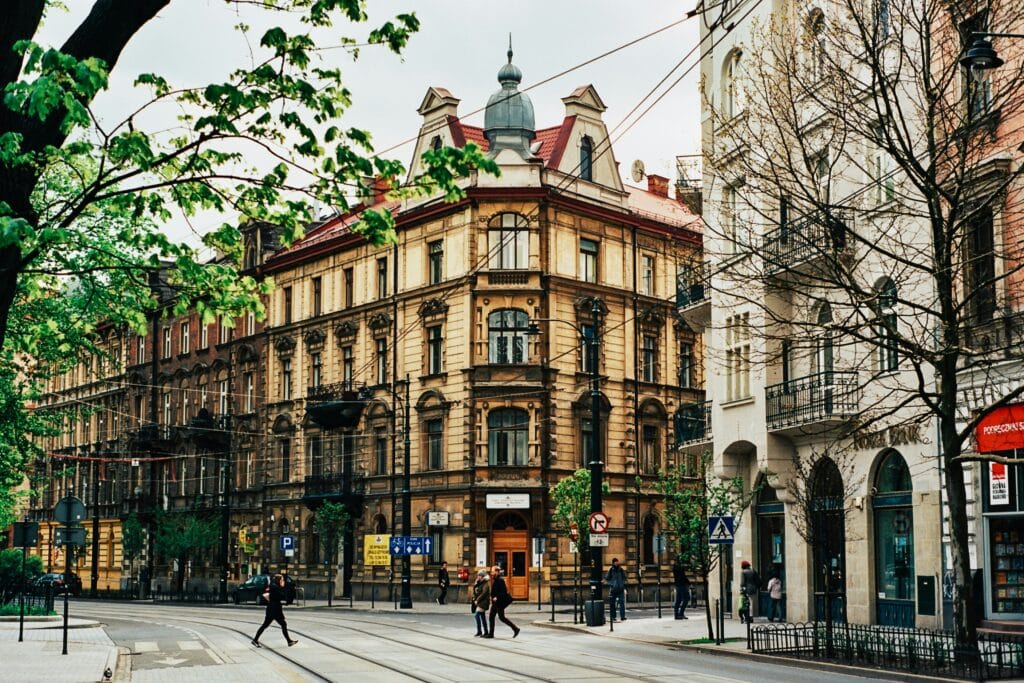
Historic city, famous for one of best-preserved medieval old towns in Europe.
Places to Visit:
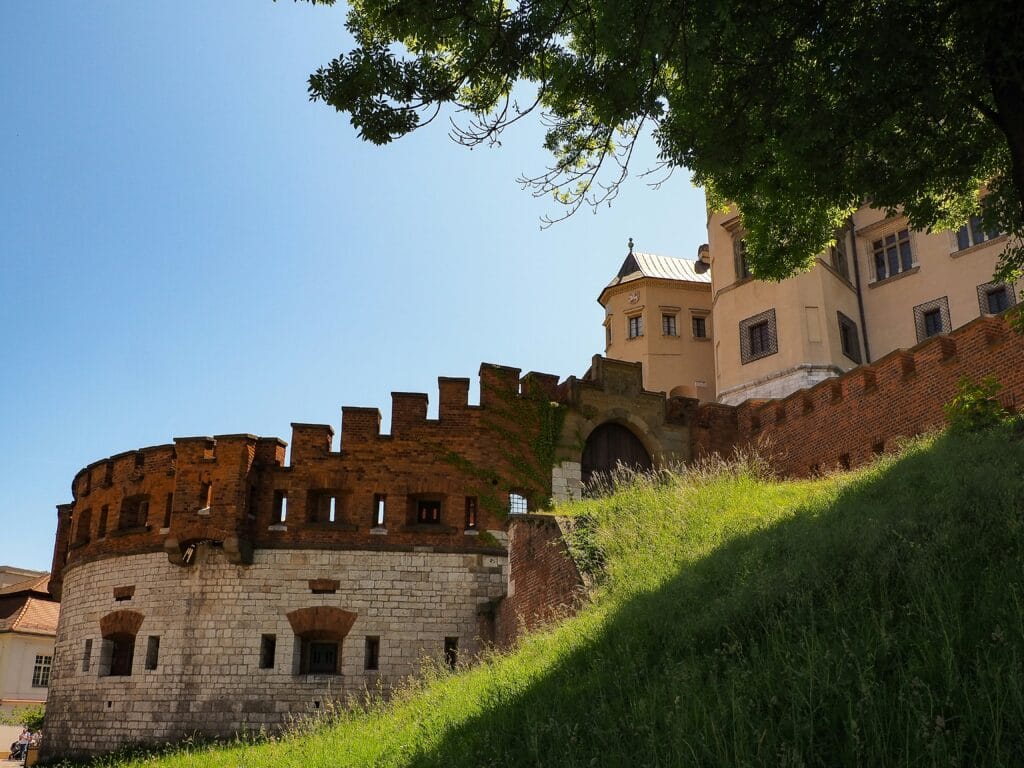
- Wawel Castle and Cathedral – this is not just tourist attraction, but true Polish pride. Located on Wawel Hill, this complex symbolizes country’s statehood and culture. Castle, built in 14th century, was royal residence for long centuries. Inside hidden Flemish tapestries, royal apartments and even treasury! And in cathedral not only crowned rulers – in its underground rest famous country heroes, such as Casimir the Great or Adam Mickiewicz
- Main Square (Rynek Główny) – true medieval masterpiece, surpassing many other European squares in size. With its 40,000 square meters area it once was trade and social life center. Imagine – celebrations, courts, public ceremonies and markets all nearby. By the way, square pavement level rose almost 2 meters over centuries, so in underground museum you can descend directly into Middle Ages.
- Kazimierz Jewish Quarter – it’s like time capsule, containing rich Jewish culture history. Seven synagogues standing here, including oldest – Old Synagogue, recall times when quarter was most important Jewish life center in Europe. After war quarter was dormant, but now it’s simply reviving: Jewish culture festivals take place here, traditional music sounds, and in restaurants you can taste real Jewish cuisine dishes.
- Wieliczka Salt Mine (outside city) – place that could compete for most mysterious Kraków object title. These are not just mines, but real underground city with sculptures, chapels and even salt chandeliers. Most impressive place – St. Kinga Chapel, where everything, from floor to ceiling, carved from salt. Moreover, sanatorium operates here – you breathe salt-saturated air and feel like born anew.
- St. Mary’s Basilica – true Gothic architecture jewel. Its greatest treasure – impressive, even 13 meters high altar, created by Veit Stoss in 15th century. Besides, every hour from tower sounds famous “hejnał” – trumpeter’s melody, breaking off unexpectedly, honoring legend about trumpeter, killed by Tatar arrow.
- Sukiennice Cloth Hall – square’s heart. Once international trade bustled here, and today you can buy Polish souvenirs or admire 19th-century artworks. Building’s Renaissance beauty recalls times when Kraków was trade prosperity center
Gdańsk
Baltic coast port city, having long Hanseatic League history.
What to See:
- Long Street and Long Market – “Długa” street and “Długi Targ” market form royal way – representative Gdańsk Old Town part. This historic zone is distinguished by impressive Dutch Renaissance style buildings, wealthy merchants’ houses and important architectural monuments. Here stands “Artus Court” – historic merchants’ meeting center, “Golden Gate” and city Town Hall with tower. Street and square reconstructed after World War II, preserving authentic Hanseatic city atmosphere.
- Neptune Fountain – 16th-century bronze Neptune fountain is Gdańsk symbol, standing in Long Market center. Sea god statue symbolizes city’s connection with sea and historic Gdańsk’s significance as important Baltic port. Fountain surrounded by ornate architectural elements, and according to legend, famous “Goldwasser” was created here – Gdańsk golden liqueur with gold flakes.
- Crane (historic crane) – “Żuraw” – 15th-century wooden crane-gate is unique medieval port facility and one of oldest surviving structures of this type in Europe. Crane was used for loading goods and installing ship masts. Today building houses National Maritime Museum exhibition, telling about Gdańsk’s history as important Hanseatic League port.
- Sopot Beach – resort, located between Gdańsk and Gdynia, famous for longest wooden pier in Europe (515 m), called “Molo”. Here stretches wide sandy beach, popular among vacationers and water sports enthusiasts. Resort is distinguished by elegant “Monte Cassino” pedestrian boulevard, Art Nouveau style villas and famous “Crooked House” (“Krzywy Domek”). During summer many cultural events and music festivals take place here.
- European Solidarity Centre – “Europejskie Centrum Solidarności” – modern museum and cultural center, established on historic Gdańsk shipyard territory. Building architecture resembles ship hull and symbolizes “Solidarity” movement’s importance in Polish and European history. Museum’s interactive exhibitions tell about workers’ protests, “Solidarity” trade union founding and peaceful struggle against communist regime. Centre also operates library, archive and educational centers, dedicated to democracy and civil society development.
What Does Poland Offer Gourmets?
Polish cuisine – warmth and heartiness on plate, where traditions and simplicity meet.
Most Popular Dishes:
- Pierogi – one of most popular Polish dishes, made on various occasions. Traditional fillings include ruskie (cottage cheese with potatoes), meat, sauerkraut with mushrooms (kapusta), and during holidays – sweet fruits. They can be boiled, baked or fried, served with cracklings, sour cream or onions. For Christmas Eve dinner traditionally made pierogi with mushrooms and cabbage.
- Żurek – sour soup, made from fermented rye flour. Its base consists of homemade starter (zakwas), to which smoked sausage, boiled egg, potatoes and sour cream are added. Soup often served in bread bowl and is traditional Easter breakfast dish. Each region has its own żurek variant with different additions.
- Bigos – also called hunter’s stew, is sauerkraut and fresh cabbage dish with various types of meat and mushrooms. Traditionally it’s cooked for several days, each time reheating becomes tastier. Bigos includes pork, beef, sausages, dried mushrooms and various spices. Dish especially popular in winter.
- Kotlet schabowy – Polish pork cutlet, similar to Viennese schnitzel. Meat is pounded, rolled in flour, egg and breadcrumbs, then fried. Traditionally served with boiled potatoes and cabbage salad. This is one of most popular everyday dishes in Poland.
- Barszcz – in Poland prepared in several ways. Traditional red beet borscht variant is clear and served with small dumplings (uszka) with mushroom filling. This dish is essential Christmas Eve dinner element. White borscht version with sour milk base is also popular.
- Zapiekanka – popular street food, originated during communism times. It’s baguette cut lengthwise and toasted with mushrooms, cheese and other toppings. Today zapiekanki are made with various fillings – from classic to Hawaiian or Mexican.
- Pączki – traditional Polish doughnuts with filling, especially popular before Lent during Fat Thursday (Tłusty Czwartek). They’re made from yeast dough, filled with jam, cottage cheese or cream, fried in oil and sprinkled with powdered sugar. Traditionally believed that whoever doesn’t eat at least one doughnut on Fat Thursday will have bad luck all year.
Route Ideas
Weekend Trip:
- Day 1: Kraków Old Town and Wawel
- Day 2: Wieliczka Salt Mine and Kazimierz Quarter
Week-long Trip:
- Days 1–2: Warsaw
- Days 3–4: Kraków and surroundings
- Days 5–6: Gdańsk and Sopot
- Day 7: Malbork Castle
Nature in Poland
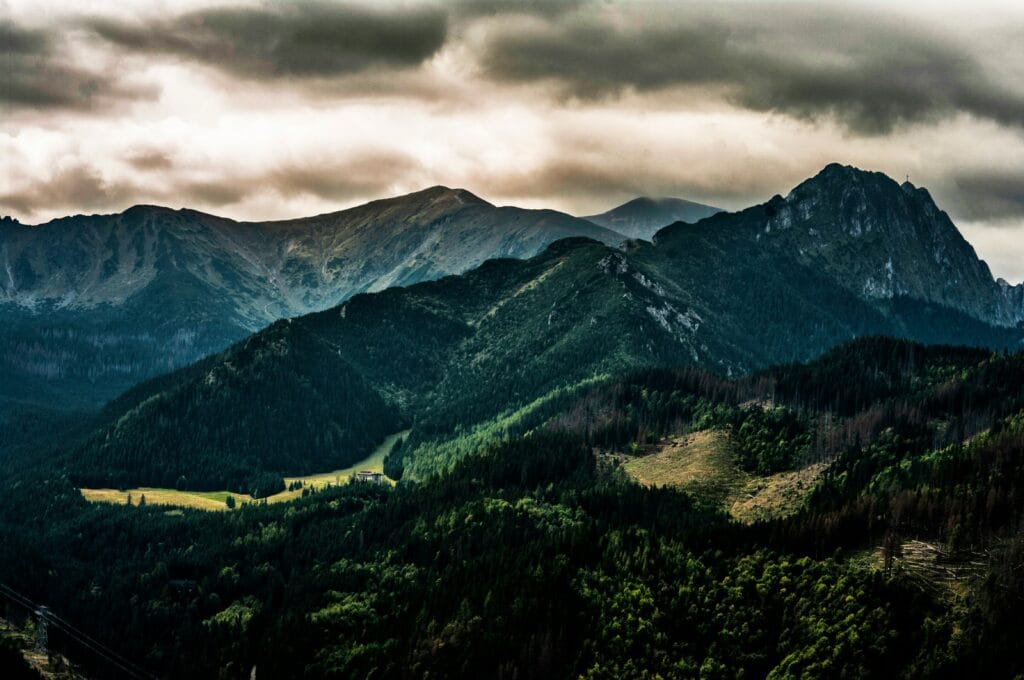
- Tatra Mountains and Zakopane – highest mountains in Poland, whose peaks reach 2,499 meters (Rysy peak). Zakopane town, called Poland’s winter capital, is main center of this region. In summer mountains offer more than 275 km of marked trails of various difficulty for hiking, you can visit mountain lakes (e.g., Morskie Oko) and observe mountain goats. In winter modern ski resorts operate with slopes for both beginners and professionals.
- Białowieża Forest – oldest and largest surviving primeval forest in Europe, UNESCO World Heritage site. This is last place where European bison live in natural environment – largest mammals of continent. Forest is also home to wolves, lynxes and more than 250 bird species. Some oaks growing here are older than 500 years.
- Masurian Lake District – consists of more than 2000 lakes, connected by rivers and canals. This is paradise for sailors, fishermen and water sports enthusiasts. Largest lakes – Śniardwy and Mamry – offer excellent sailing conditions. Region also has many bicycle trails, and in forests you can observe various wild animals and birds.
- Baltic Coast – stretches 770 kilometers and is characterized by diversity: from wide sandy beaches in Sopot to high cliffs in Wolin National Park. In Gdańsk Bay region you can find amber pieces, and in Słowiński National Park – moving dunes, sometimes called “Polish Sahara”. Hel Peninsula is famous for its seal colony and fishing villages.
- Stołowe Mountains – distinguished by unique geology – these are only table mountains in Poland. Most visited object is Szczeliniec Wielki – highest peak (919 m), where you can see fantastic-shaped rocks, resembling animals or objects. Another impressive object – Błędne Skały – natural rock labyrinth, where narrow passages wind between high stone walls.
Practical Tips for Travelers
- In major cities convenient and modern public transport
- Trains quickly connect main cities
- Most young Poles speak English
- Use “Jakdojade” app for public transport routes
- In cities tap water is safe
- Cards accepted almost everywhere, but worth having some cash
- WiFi easily accessible in cafés, hotels and public places
Events and Festivals
- Wrocław Dwarfs Festival (May). Unique event, related to city symbol – small bronze dwarf sculptures, of which there are more than 300 in city. Festival began as reminder of Orange Alternative movement, which used dwarf symbolism protesting against communist regime. During festival dwarf hunts organized, new sculptures created, street theater performances and children’s workshops take place.
- Kraków Culture Night (June). One of largest cultural events in Poland. One night per year all city museums, galleries, churches and historic buildings open doors for free. Special concerts, theater performances, performances and exhibitions take place. In Old Town streets you can meet actors, musicians and artists, and at night historic buildings and Wawel Castle are illuminated.
- Gdańsk St. Dominic’s Fair (July-August). Oldest and largest trade fair in Poland, whose history dates back to 1260. Three-week long event attracts millions of visitors. Here traded traditional crafts, antiques, art and food products. Concerts, theater performances, circus artists’ performances and traditional crafts demonstrations take place.
- Warsaw Jazz Festival (October). One of most important jazz events in Europe. Festival attracts world-class jazz musicians and performers. Concerts take place in various city locations – from historic palaces to modern concert halls. Besides concerts, master classes, discussions about jazz music and young talent competitions are organized.
- Christmas Markets (December). In Poland are special phenomenon, most famous in Kraków and Wrocław. At Kraków’s Rynek Główny square largest Christmas market is set up, where wooden stalls trade traditional crafts, Christmas decorations and traditional food. In Wrocław market takes place against historic market square background, where visitors can taste traditional Polish dishes, mulled wine and see Christmas performances. These markets create special Christmas atmosphere and attract visitors from all over world.
Poland – country that can surprise even well-traveled travelers. It charms with rich history, wonderful nature, modern cities and friendly atmosphere. This is place where traditions and contemporary life perfectly match, and each region hides unique discoveries.