 United Arab Emirates
United Arab Emirates: Traditions Meet Futuristic Architecture
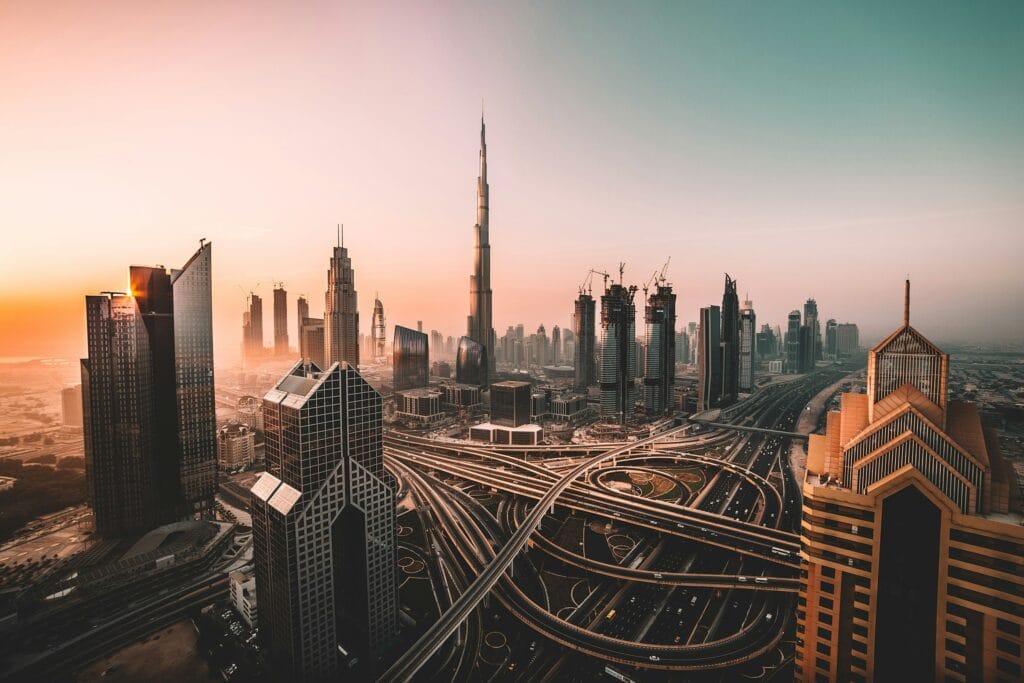
The United Arab Emirates – desert sand befriends futuristic skyscrapers, and ancient Bedouin traditions elegantly merge with 21st-century luxury. Here you can start your morning riding a camel through golden dunes and end your evening with dinner at a restaurant whose height makes the clouds feel below you. If you dream of luxury, authentic Arab culture and a place where even limits have no limits – it seems you’ve found your travel destination!
Basic Information about UAE
- Capital: Abu Dhabi
- Area: 83,600 km²
- Population: ~10.1 million (2024)
- Currency: UAE Dirham (AED)
- Language: Arabic (official), English (widely used)
- Time Zone: UTC+4
- Form of Government: Federal monarchy, consisting of 7 emirates
When is the Best Time to Travel to UAE?
Winter (November-March)
The best time for a trip to UAE – when the weather pampers you with pleasant 20–25 °C warmth, there’s almost no rain, and all entertainment is accessible without any disruptions. This is high tourist season, so prices may be somewhat higher, but in return you get perfect climate for both beach relaxation and adrenaline-filled desert safari. Famous events take place, such as Dubai Shopping Festival and Abu Dhabi Grand Prix.
Spring (March-April)
Another great time to visit UAE – the weather is still warm, but not too hot: 25–35 °C during the day, and evenings are pleasantly refreshing. Ideal conditions for enjoying beaches, exploring cities or embarking on desert adventures. Tourist flows gradually decrease, so there’s more peace, and hotels often offer more attractive prices.
Summer (May-September)
A real test for the most heat-resistant – temperature jumps to 40–50 °C, so being outside for long can be difficult. However, this doesn’t mean there’s a lack of entertainment! UAE shopping malls – real cities under a roof with ski slopes, aquariums and countless other indoor entertainments where heat becomes completely irrelevant. Moreover, this is when prices are at their lowest, and hotels offer particularly tempting discounts. And if you like shopping, Dubai Summer Surprises festival will ensure that suitcases return fuller than when you left.
Autumn (October-November)
The heat gradually subsides, temperature settles around 30–35 °C, and the weather becomes much more pleasant for both city exploration and beach relaxation. The active events season begins – for art, design and culture lovers this is real paradise, with events such as Dubai Design Week and Abu Dhabi Art. This is the ideal time to travel before the big tourist influx – the weather is already great, but prices are still friendlier than in high season. If you want to enjoy UAE more peacefully and at a better price, now is the time to plan your trip, but first learn how to save when planning a trip.
Main Cities and Regions
Dubai: City of the Future
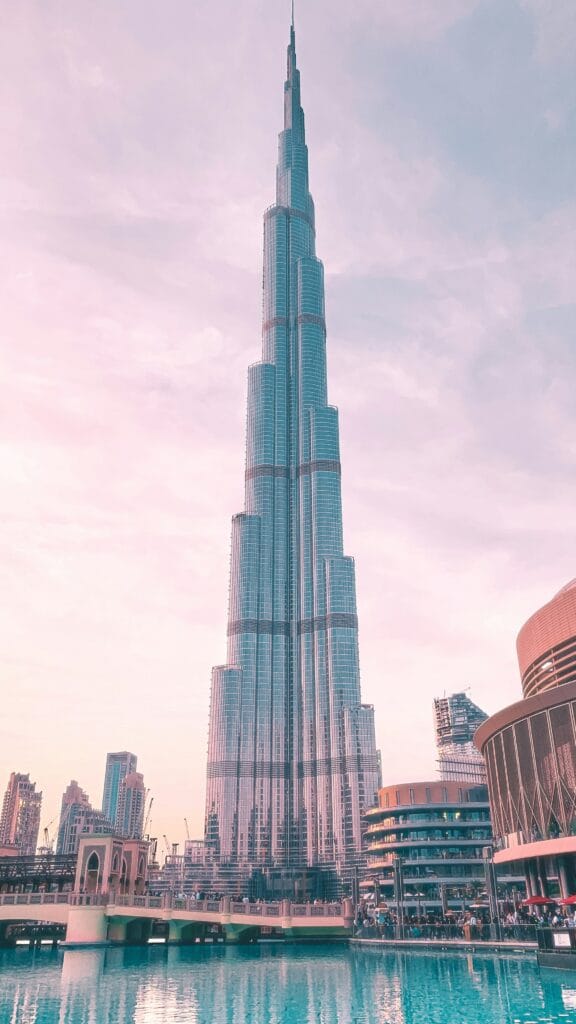
Dubai is the jewel of UAE, a metropolis that amazes with its ambition and scale. Here everything is done on a grand scale – from Burj Khalifa, the world’s tallest building, to artificial Palm Jumeirah island, visible even from space. This is a city where tradition and modernity don’t compete but complement each other: next to ultra-modern skyscrapers you’ll find authentic souks (markets) where you can buy spices, gold and handmade carpets.
Dubai is famous not only for its architecture, but also for its entertainment. Here you can ski in the middle of the desert at Ski Dubai, swim in the world’s largest aquarium at Dubai Mall, or experience extreme sensations at IMG Worlds of Adventure theme park. The city also attracts food lovers – from Michelin-starred restaurants to authentic street food cafes.
If you’re looking for a beach vacation, Dubai offers countless opportunities. Jumeirah Beach is one of the most famous, offering crystal clear water and views of the iconic Burj Al Arab hotel. For active entertainment, try water skiing, jet skis or flyboarding.
For those interested in culture and history, I recommend visiting Al Fahidi district – the old part of the city where you can see how Dubai looked before the oil boom. Here you’ll find the Dubai Museum, which tells the history of the city from a small fishing village to a global metropolis.
Abu Dhabi: Capital of Elegance and Culture
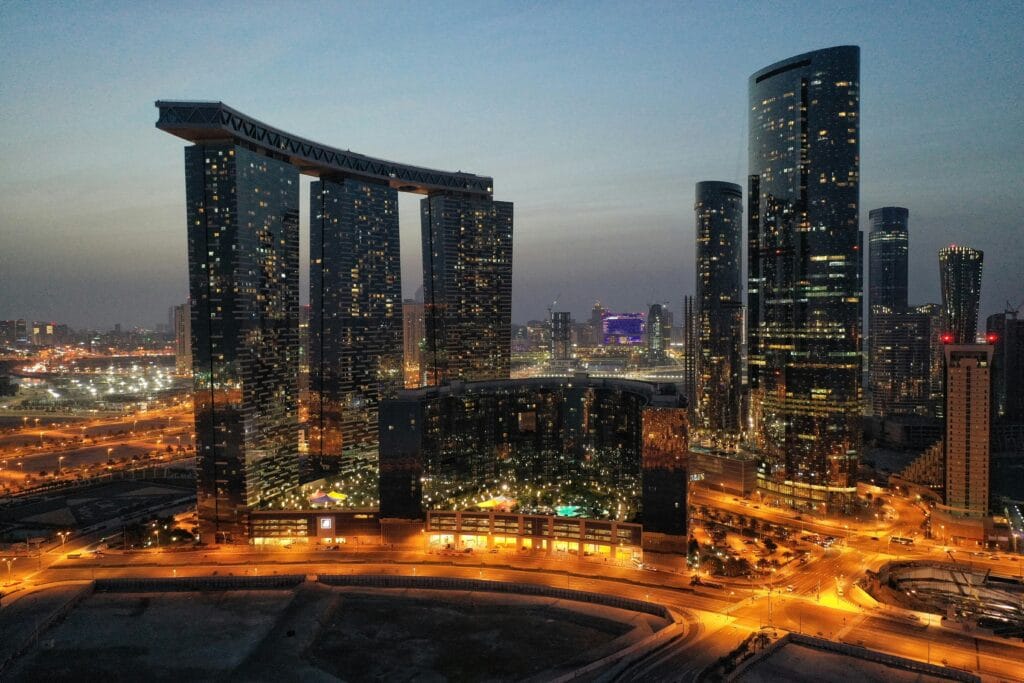
Abu Dhabi, the capital of UAE, differs from Dubai in its atmosphere – here everything is a bit calmer, more luxurious and focused on culture. This is a city that invests heavily in art, education and preservation of traditions while remaining modern and innovative.
One of the main attractions is Sheikh Zayed Grand Mosque – one of the world’s largest and most beautiful mosques, which impresses with its white marble domes, crystal chandeliers and handmade carpets. The mosque is open to non-Muslims, so everyone can admire this architectural masterpiece.
Another cultural symbol is Louvre Abu Dhabi – a museum designed by famous architect Jean Nouvel. This is not just a building, but a work of art in itself, with a unique “rain of light” dome that creates magical shadows. The museum collection includes works from various eras and cultures – from ancient Egyptian artifacts to modern art.
For those seeking adrenaline, Abu Dhabi offers Ferrari World – a theme park dedicated to the famous Italian automaker. Here you can ride Formula Rossa, the world’s fastest roller coaster, or test your driving skills on the karting track.
Abu Dhabi is also known for Yas Island – a center of entertainment and motorsport. Here is Yas Marina Circuit, which hosts the Formula 1 Abu Dhabi Grand Prix, and numerous hotels, beaches and restaurants.
Sharjah: Cultural Heart of UAE
Sharjah is the third largest emirate in UAE and is often called the “Cultural Capital” because it heavily invests in art, museums and education preservation. Unlike Dubai, Sharjah maintains stricter rules regarding alcohol and dress code, making it more conservative but equally interesting.
Sharjah is famous for its museums – here you’ll find over 20 different museums, from the Museum of Islamic Civilization to the Sharjah Art Museum, which exhibits modern Arab art. If you’re interested in history, I recommend visiting Al Noor Mosque, which is open to non-Muslims and organizes educational tours.
For nature lovers, Sharjah offers Al Qasba – a picturesque canal surrounded by cafes, art galleries and cultural spaces. Here you can ride on the Eye of the Emirates – a Ferris wheel offering panoramic views of the city.
Sharjah is also a great place for family vacations. Sharjah Aquarium is home to over 150 marine species, and Al Montazah Parks offer water attractions and amusement parks.
Ras Al Khaimah: Mountains and Adventure
Ras Al Khaimah is a less touristy but incredibly attractive emirate for those seeking active recreation. Here nature dominates – mountains, deserts and beaches create perfect conditions for extreme sports enthusiasts.
One of the main attractions is Jebel Jais – UAE’s highest mountain, where you can experience the world’s longest zip line at 2.83 km! For the braver, there’s also a Via Ferrata climbing route along the rock wall.
Ras Al Khaimah is also known for its beautiful beaches. Al Hamra Beach is one of the most popular, offering clean sand and calm water. For golf enthusiasts, there’s Al Hamra Golf Club – one of the best in the region.
If you’re interested in history, visit Dhayah Fort – the only mountain fort in UAE that survived numerous attacks and is now open to visitors.
Fujairah: Eastern Coastal Beauty
Fujairah is the only emirate located on the east coast, on the Gulf of Oman. This makes it unique – here the sea is calmer, nature is more diverse, and the atmosphere is more relaxed than in other parts of UAE.
Fujairah is perfect for diving enthusiasts. Local waters are home to colorful corals and marine life. Snoopy Island is one of the most popular places for snorkeling.
One of the main attractions is Al Bidyah Mosque – UAE’s oldest mosque, built in the 15th century. Nearby are Fujairah Fort and archaeological remains testifying to the region’s rich history.
Fujairah is also known for its hot springs. Ain Al Madhab Gardens is a park with natural springs where you can relax surrounded by greenery and mountains.
UAE Cuisine: Where East Meets Innovation
UAE cuisine is a fascinating fusion of Arab, Persian, Indian and international influences. Here you can enjoy both traditional Bedouin dishes and modern gastronomic experiments from world-class chefs.
Traditional Dishes Worth Trying:
- Al Harees – a traditional dish prepared from wheat and meat (usually lamb or chicken), cooked until porridge-like consistency. It’s especially popular during Ramadan and weddings.
- Machboos – similar to biryani, rice cooked with meat (chicken, lamb or fish) and spices. Each family has its own recipe, passed down through generations.
- Shawarma – one of the most popular street foods, meat (chicken or lamb) roasted on a spit, served in pita bread with vegetables and sauces.
- Falafel – fried chickpea balls, usually served with tahini sauce and fresh vegetables.
- Hummus – chickpea puree with tahini, lemon juice and garlic. Perfect as an appetizer with pita bread.
- Luqaimat – small sweet dumplings soaked in date or honey syrup, especially popular during Ramadan.
- Camel Meat – traditional Bedouin dish that can be tasted in authentic restaurants. Camel meat is tender and has a unique taste.
- Dates – symbolic fruit of UAE, eaten at every meal. Dates with coffee are a traditional welcome gesture.
Where to Eat in UAE:
- Street Food – for authentic experience, visit local shawarma stalls and falafel cafes. They’re inexpensive, delicious and popular among locals.
- Traditional Restaurants – if you want to try authentic Emirati cuisine, visit restaurants like Al Fanar or Arabian Tea House in Dubai.
- Luxury Restaurants – UAE is home to many Michelin-starred restaurants. Nobu, Zuma, and La Petite Maison offer unforgettable culinary experiences.
- Food Courts in Malls – great option for quick and diverse meals. Here you’ll find both international chains and local cafes.
Practical Tips for UAE Trip
Weather: From Hot Summer to Mild Winter
UAE has a desert climate with hot summers and mild winters. Summer (May-September) can be extremely hot – temperature reaches 40–50 °C, and humidity can be very high, especially in coastal areas. However, all buildings, shopping malls and public transportation are air-conditioned, making heat more bearable.
Winter (November-March) is ideal for tourism – temperature ranges from 20–25 °C, which is perfect for outdoor activities and beach vacations. However, evenings can be cool, so I recommend bringing a light jacket.
Always use sunscreen, even in winter, as the sun in UAE is strong year-round. Also drink plenty of water to avoid dehydration.
Transportation: How to Get Around UAE
UAE has well-developed public transportation and modern infrastructure, making it easy to get around both within cities and between emirates.
- Metro – Dubai has a modern metro system connecting major parts of the city. It’s fast, clean and relatively inexpensive. Note that there are separate sections for women and children.
- Taxis – widely available and relatively inexpensive. You can order through apps like Uber or Careem. All taxis are metered.
- Car Rental – if you plan to travel between emirates or explore remote areas, car rental is a great option. Roads are in excellent condition, but be careful of speed limits and fines.
- Buses – cheap and convenient for city travel. Routes cover most tourist spots.
- Water Taxis – in Dubai you can use abras (traditional wooden boats) to cross Dubai Creek. It’s not only convenient, but also authentic.
Budget Planning: How to Save in UAE
UAE is known for its luxury, but that doesn’t mean you can’t travel here on a budget. Here are some tips to help reduce costs:
- Accommodation – instead of luxury hotels, choose hostels or apartments through Airbnb. They’re much cheaper and often offer more space.
- Food – eat where locals eat. Street food and small cafes offer delicious meals at affordable prices. Avoid restaurants in shopping malls and hotels – they’re usually much more expensive.
- Transportation – use public transportation instead of taxis. Metro and buses are much cheaper, and metro offers fast travel.
- Attractions – many attractions offer discounts if you buy tickets online in advance. Also look for combination tickets covering multiple attractions.
- Shopping – visit during sales season (Dubai Shopping Festival or Dubai Summer Surprises) when you can find great discounts.
Communicating with Locals: Cultural Nuances
Emiratis are known for their hospitality and respect for guests. However, it’s important to know a few cultural nuances to avoid awkward situations:
- Dress Code – UAE is a Muslim country, so it’s important to dress modestly, especially in public places. Women should cover shoulders and knees, men should avoid shorts in mosques and government buildings.
- Alcohol – alcohol is available only in licensed hotels, restaurants and clubs. Drinking in public places is prohibited and can result in fines or even imprisonment.
- Public Displays of Affection – kissing and hugging in public are not recommended, even for married couples. This is considered disrespectful.
- Ramadan – during Ramadan, Muslims fast from sunrise to sunset. Visitors should respect this – don’t eat, drink or smoke in public during the day.
- Photography – always ask permission before photographing people, especially women. It’s also prohibited to photograph government buildings and military facilities.
- Language – although Arabic is the official language, English is widely spoken. Most signs, menus and information are in both languages.
A Few Useful Arabic Phrases:
- “As-salamu alaykum” (Peace be upon you – greeting)
- “Shukran” (Thank you)
- “Afwan” (You’re welcome)
- “Marhaba” (Hello)
- “Ma’a salama” (Goodbye)
Traditional UAE Holidays and Events
National Holidays
- January 1 – New Year’s Day
- December 2 – National Day (UAE Independence Day)
- December 3 – National Day (second day)
Main Religious and Seasonal Holidays
- Eid al-Fitr (end of Ramadan) – date changes according to Islamic calendar
- Eid al-Adha (Feast of Sacrifice) – date changes according to Islamic calendar
- Islamic New Year – date changes according to Islamic calendar
- Prophet’s Birthday – date changes according to Islamic calendar
Significant Events and Festivals
Winter Season (December-February):
- Dubai Shopping Festival (January-February): one of the largest and most popular shopping events in the world, attracting millions of visitors annually. The festival offers huge discounts in all city shopping malls, lotteries with valuable prizes (cars, gold bars, cash), and various entertainment programs. Dubai Mall, Mall of the Emirates and other major shopping centers become epicenters of shopping fever, where you can find everything from luxury brands to local products at attractive prices.Besides shopping, the festival organizes street performances, concerts, fireworks and cultural events, making it not just a shopping opportunity, but also entertainment for the whole family. For tourists, this is a great time to visit Dubai, as the city is full of festive atmosphere, and hotel and flight prices are often more attractive than during other seasons.
- Abu Dhabi Grand Prix (November): one of the most impressive Formula 1 season stages, taking place on Yas Marina Circuit located on Yas Island. This racing weekend stands out not only for its ultra-modern track but also for its unique day and night race format, when races start before sunset and end on an illuminated track, creating a distinctive atmosphere. This is often also the last stage of the season, so the championship fate is often decided here.Besides the races themselves, the event attracts many celebrities and motorsport enthusiasts, offering luxury, impeccable organization and numerous entertainment options. World-class performers’ concerts, various parties and exclusive events take place next to the track. Yas Island is also home to the famous “Ferrari World” theme park, providing additional impressions for speed lovers. Abu Dhabi Grand Prix – is not just races, but also a prestigious social event that captivates with its luxury, technology and unrepeatable atmosphere.
- Dubai International Film Festival (December): one of the most important cinema events in the Middle East, attracting filmmakers, actors and cinema lovers from around the world. The festival is famous for providing a platform not only for international hits and Hollywood films, but also for Arab, Asian and African filmmakers, helping to reveal new talents and present various cultural perspectives.The event screens both big-budget films and independent projects, documentaries and short films competing for prestigious awards. Besides film screenings, the festival also organizes masterclasses, discussions and industry events, providing opportunities for creators to communicate and forge important connections.The festival is also distinguished by its red carpet atmosphere – world-famous stars participate in the event, and luxurious parties and premieres give the festival charm and prestige. It’s not just a cinema celebration, but also one of the brightest social and cultural experiences in Dubai’s event calendar.
Spring Season (March-May):
- Art Dubai (March): prestigious international art fair, held annually in Dubai and attracting artists, collectors and culture enthusiasts from around the world. This event is one of the most important art events in the Middle East, distinguished by its diversity and attention to both international and local art scenes.The fair presents various artworks – from classic paintings to contemporary installations, digital art and experimental works. Great attention is paid to artists from Middle East, North Africa and South Asia regions, giving them the opportunity to reveal their talent to a global audience.The event includes discussions, creative workshops and art forums featuring famous curators, collectors and art historians. It’s not just an art fair, but also a dynamic cultural platform promoting dialogue about contemporary art, its market and future trends. Art Dubai is also famous for its luxury, prestige and distinctive atmosphere, making it one of the most important art events in the region.
- Dubai Food Festival (February-March): annual gastronomic event celebrating Dubai’s culinary diversity and presenting both local and international food cultures. The festival attracts food enthusiasts from around the world, offering numerous tastings, special restaurant week menus, street food fairs and exclusive culinary events.One of the main festival attractions is “Dubai Restaurant Week”, during which visitors can enjoy exclusive menus at the city’s best restaurants at affordable prices. Also highly popular is “Beach Canteen” – an outdoor food space where both famous restaurants and local chefs offer their dishes, all accompanied by live music and beachside entertainment.The festival is not limited to food tastings – it organizes culinary workshops, chef performances, food technology presentations and even gastronomic tours of Dubai’s market districts and authentic local restaurants. It’s not just a food celebration, but also a culture festival allowing you to discover both traditional Emirati cuisine and modern international trends.
Summer Season (June-August):
- Dubai Summer Surprises: annual summer shopping and entertainment festival, held June–August and offering visitors numerous discounts, special offers and various events throughout the city. This festival is aimed at both local residents and tourists wanting to enjoy luxurious shopping experiences, family entertainment and cultural events in Dubai’s indoor spaces, protected from summer heat.During the festival, major shopping centers such as “Dubai Mall”, “Mall of the Emirates” and others hold sales with large discounts on various goods – from fashion and technology to home interior and beauty products. Lotteries with impressive prizes are also organized, such as cars or even gold bars.Besides shopping, the event offers plenty of entertainment for the whole family – interactive shows, children’s performances, play areas and concerts. City hotels and restaurants also contribute to the festival, offering special deals and themed events. Dubai Summer Surprises – is not just a shopping celebration, but also a summer fun festival providing an opportunity to discover Dubai from a new perspective.
- Ramadan (dates vary annually): the most important and holiest month in the Islamic calendar, dedicated to spiritual reflection, prayer, fasting and closeness with the community. Since the Islamic calendar is based on the lunar cycle, Ramadan dates change annually. During this period, Muslims abstain from food, drinks and other worldly pleasures from dawn to sunset, and in the evening gather for communal dinners – iftars.In Dubai, Ramadan gives the city a special atmosphere – although during the day the pace of life slows down somewhat, in the evenings the city is flooded with festive mood. Shopping centers, restaurants and hotels offer special iftar and suhoor (late night) menus, and various cultural programs allow better understanding of Islamic traditions. Although fasting is mandatory only for Muslims, visitors are encouraged to respect this period – during the day one should not eat or drink in public places.After Ramadan begins one of the most important Islamic holidays – Eid al-Fitr, which is celebrated in Dubai with large events, fireworks and family gatherings. This period – is a unique opportunity to experience Dubai’s cultural spirit, establish closer connection with local traditions and enjoy festive hospitality.
Autumn Season (September-November):
- Dubai Design Week (November): the most important design event in Dubai and the entire Middle East region, dedicated to creativity, innovation and the future of design. The annual November event brings together talented designers, architects and artists from around the world, offering a platform for idea exchange, experiments and creative expression. The festival covers various design fields – from architecture and interior design to graphics, fashion and technology.Dubai Design Week gives Dubai a distinctive atmosphere – although the city is already famous for its futuristic architecture and innovative solutions, during this event it becomes an even brighter design epicenter. The main festival venue – Dubai Design District (d3), where exhibitions, creative workshops, conferences and interactive installations take place. Additionally, various city restaurants, galleries and public spaces join the event program, presenting design and art works.Although main focus is on design professionals, Dubai Design Week is open to everyone – both local residents and tourists. Visitors can enjoy free exhibitions, participate in educational sessions, watch live performances and even test their creative skills in various interactive activities.After Dubai Design Week, long-term design influence remains in the city – many presented projects and ideas become permanent initiatives that continue to shape Dubai’s creative and innovative identity. This is a unique opportunity to experience the world of contemporary design, get acquainted with the latest trends and draw inspiration from the international creative community.
- Sharjah International Book Fair (November): important literature event not only in United Arab Emirates but also worldwide, dedicated to book lovers, publishers and writers. The annual November event brings together thousands of participants from various countries, providing opportunity to discover new books, participate in discussions and get acquainted with literature trends. The fair presents numerous books of different genres and languages, promotes reading culture and intellectual exchange.Sharjah International Book Fair gives Sharjah a special cultural atmosphere – the city, famous for its commitment to education and art, becomes a true literature center. The main festival venue – Expo Centre Sharjah, where visitors can enjoy book exhibitions, author presentations, discussions and workshops. Additionally, various city museums, libraries and culture centers contribute to the program, organizing special events and educational activities.Although main focus is on literature professionals, Sharjah International Book Fair is open to everyone – both local residents and tourists. Visitors can purchase books at special prices, meet famous authors, participate in book presentations and enjoy interactive performances.After Sharjah International Book Fair, long-term cultural influence remains in the city – many discussed ideas and projects become permanent initiatives that continue to promote literature growth and reading spread in the region. This is a unique opportunity to experience the global literature scene, get acquainted with authors from various countries and draw inspiration from the international literature community.
- Abu Dhabi Art (November): international art event held annually in November in United Arab Emirates capital Abu Dhabi. This art fair brings together prominent gallerists, artists, collectors and art lovers from around the world, presenting contemporary and modern art works and promoting creative exchange.Abu Dhabi Art creates impressive atmosphere in the city – the event takes place at Manarat Al Saadiyat cultural center, where works by international and regional artists are exhibited, discussions, art workshops and creative sessions are organized. During the fair, visitors can not only view artworks but also participate in educational programs and artist meetings, allowing better understanding of art processes and market trends.Although the event is aimed at both art professionals and collectors, Abu Dhabi Art is open to everyone – visitors can enjoy art exhibitions, watch artist performances and even acquire unique works. Additionally, the fair program includes special tours of Abu Dhabi’s art and culture spaces, allowing deeper understanding of the region’s creative scene.
The United Arab Emirates – is a place where old traditions shake hands with futuristic skyscrapers, and luxury here – is not exclusivity, but everyday life. Whether you’re attracted by breathtaking panoramic views, authentic history, gourmet discoveries or adrenaline-filled entertainment – UAE has something to offer everyone. This is a country that will surprise even those who’ve seen everything, make you gasp and, just returning home, plan the next trip back!